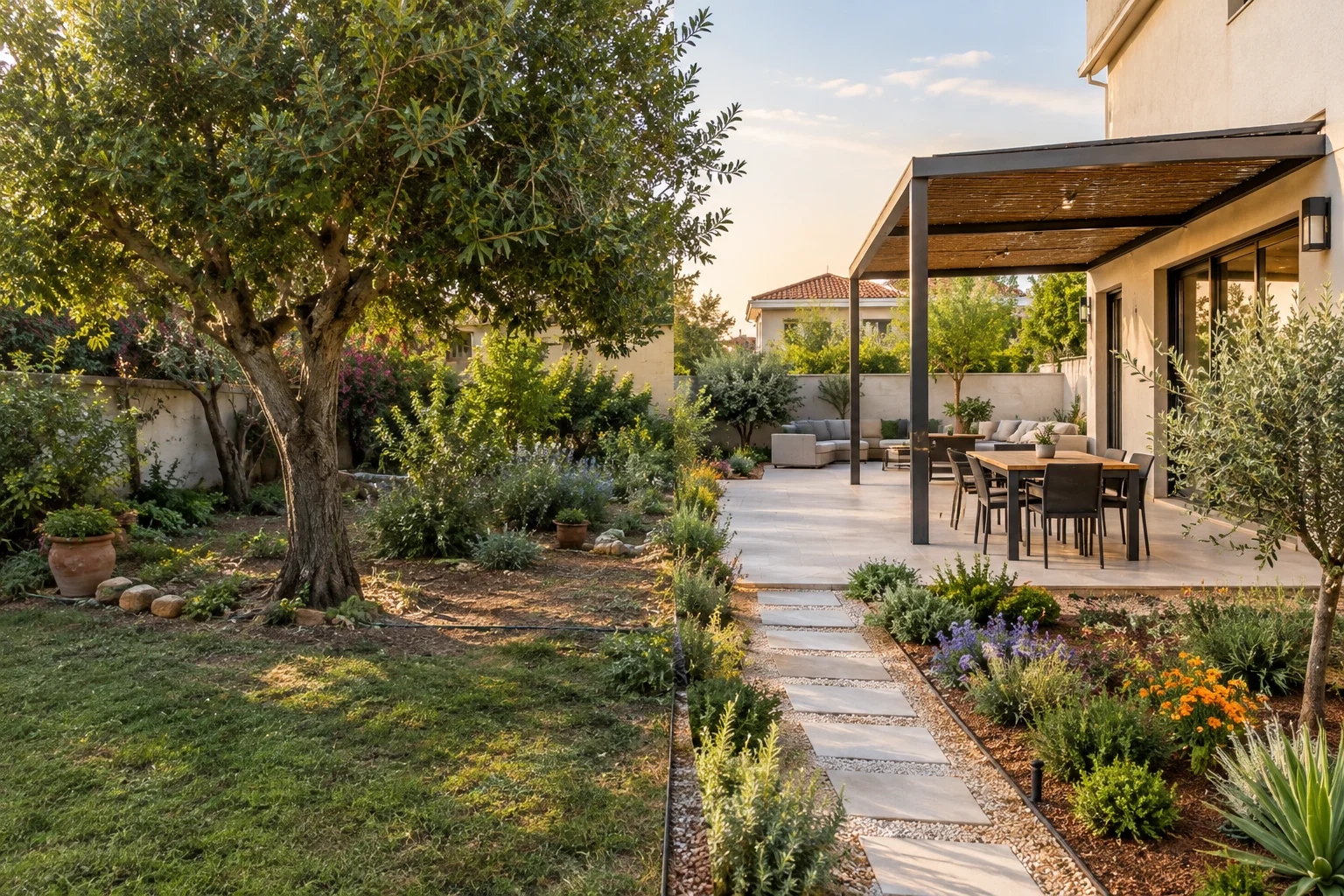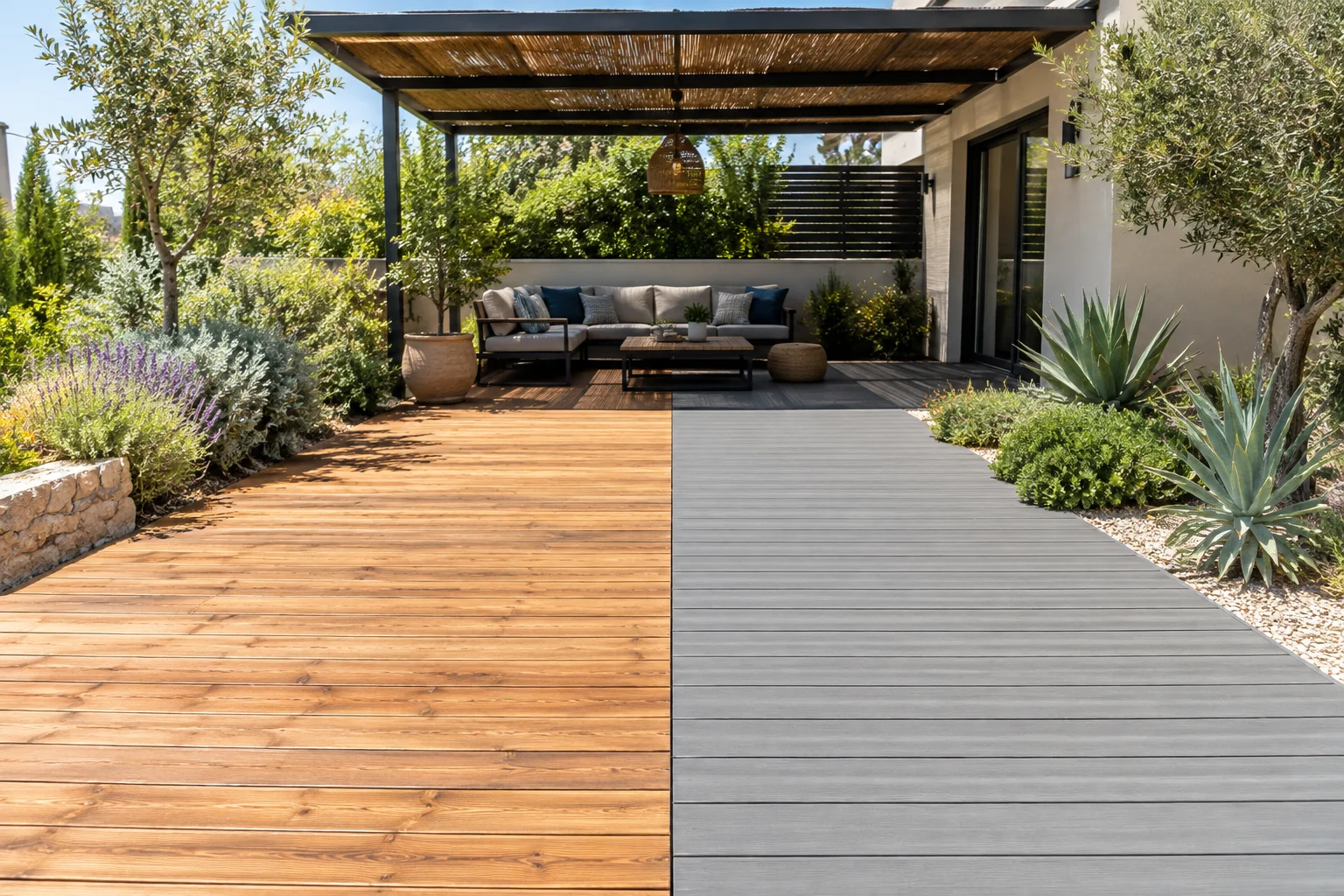
A shade structure can look perfect on installation day and still become the weak point of a garden a few summers later. When comparing pergola versus shade sail durability, the real question is not simply which option lasts longer. It is which structure suits your garden’s exposure to intense sun, seasonal wind, family use, and the level of maintenance you are willing to give it.
For homes in Kiryat Gat, Carmei Gat, and nearby communities, shade has to work hard. Long, hot summers can fade fabrics and dry out timber, while winter rain and sudden wind put fixings, posts, and foundations under pressure. A well-designed pergola and a professionally installed shade sail can both perform beautifully. Their durability comes from very different materials, construction methods, and maintenance needs.
Pergola versus shade sail durability in real conditions
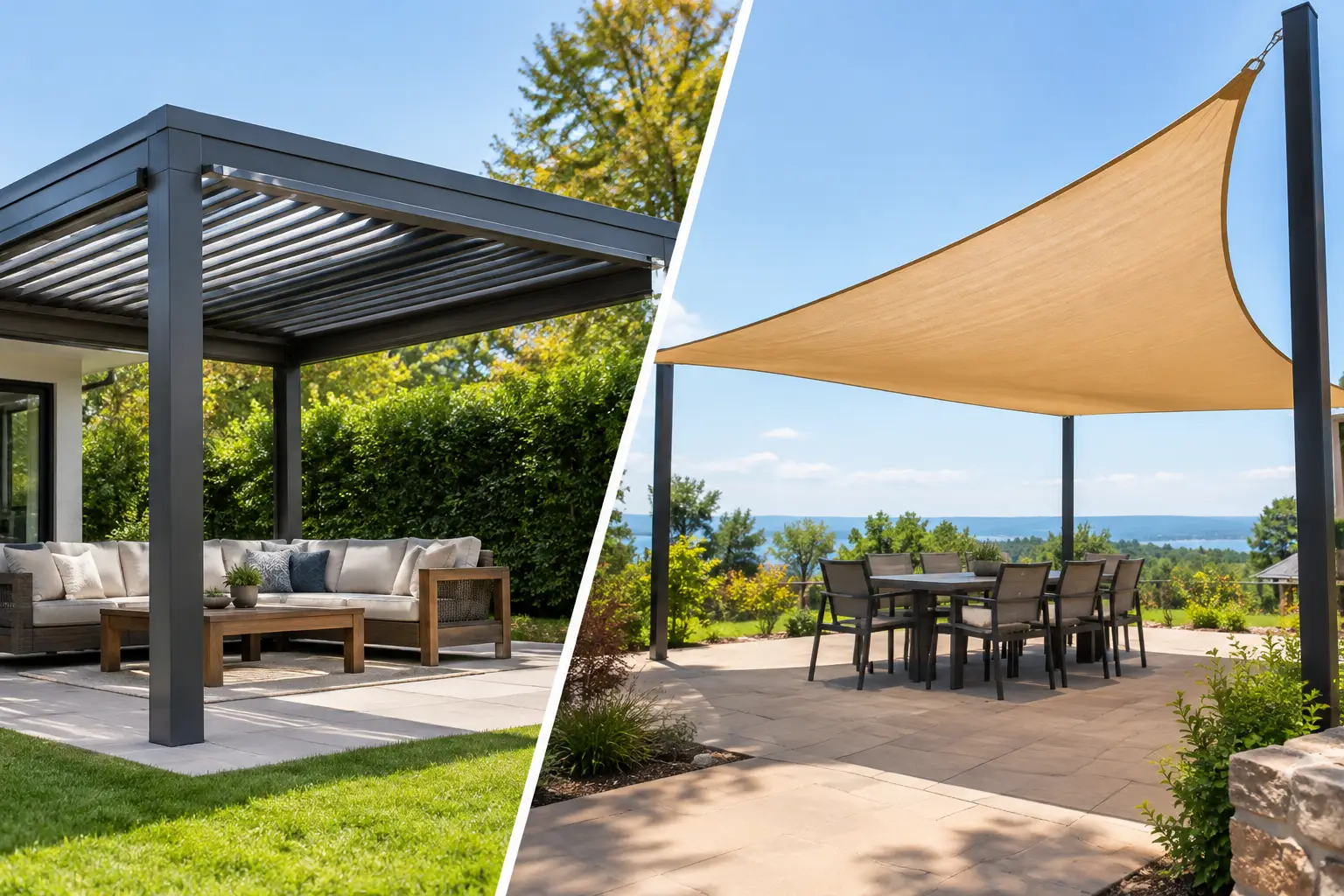
A pergola is a fixed frame, commonly built from treated wood, aluminum, or steel. Its strength comes from the posts, beams, connections, and footings that transfer weight into the ground or an existing structure. Because it is rigid, a pergola can handle daily use well when it is built to the right dimensions and anchored properly.
A shade sail is a tensioned fabric canopy held between poles, walls, or a combination of both. The fabric is designed to flex slightly, but it relies on constant tension and secure hardware. A sail can be exceptionally effective at blocking harsh sun, but a loose, poorly angled, or lightly anchored sail is more vulnerable to wind damage than a solidly constructed pergola.
That does not mean a pergola automatically wins every time. A basic timber pergola made with undersized wood, shallow footings, and untreated fasteners may deteriorate faster than a high-quality UV-rated sail installed with engineered posts and strong tensioning hardware. Durability begins with design and installation, not with the name of the product.
How long can each option last?
A custom wooden pergola can serve a garden for 15 to 25 years or longer when it uses suitable exterior-grade timber, protected connections, properly set posts, and regular care. The exact lifespan depends on whether the wood touches soil, how much direct weather it receives, and whether water can drain away from joints and post bases.
Timber needs attention, particularly in exposed gardens. UV light can dry and gray the surface, while trapped moisture can lead to splitting, movement, or rot. Cleaning the structure and refreshing its protective finish when needed helps preserve both its appearance and its strength. Small repairs, such as tightening a connection or replacing a damaged board, are usually straightforward when caught early.
A quality shade sail often lasts around five to 10 years, although the fabric may need replacement sooner in a garden with full-day sun, abrasive dust, strong winds, or frequent tension changes. The poles and hardware can last far longer than the fabric if they are made from corrosion-resistant materials and installed correctly. In many cases, replacing the sail while retaining the support system is a practical and cost-effective renewal.
Fabric quality matters greatly. Purpose-made shade fabric with UV stabilization is not the same as a light canopy fabric or inexpensive tarp material. The better materials maintain their strength and color longer, allow hot air to escape, and resist tearing around reinforced corners. Even then, no fabric is permanent under the Southern Israel sun.
Wind is the deciding factor for many gardens
Wind exposure is where the comparison becomes more specific. A pergola is fixed and heavy, so it does not flap or pull against its anchor points in the same way as fabric. Yet a pergola with a solid roof or tightly fixed cover also creates wind resistance. Its frame and foundations must be designed for that load, especially if it is freestanding.
A shade sail needs a deliberate high-and-low shape, usually with a twist or slope that helps it shed rain and remain tensioned. Flat sails are more likely to collect water, sag, and strain the fabric. In an exposed garden, a sail should not be treated as a simple piece of cloth tied between convenient points. The anchors, pole depth, concrete footings, tensioners, and wall condition all matter.
For particularly windy locations, a pergola may offer greater peace of mind as a permanent structure. A shade sail can still be the right choice if it is designed for the site and can be removed during severe weather or when it is not needed seasonally.
Maintenance changes the durability equation
Pergolas require more hands-on maintenance, especially wooden ones. Leaves and dust should be cleared from the top, drainage paths kept open, and timber checked for cracks, fading finish, insect activity, or moisture damage around the posts. This is not difficult work, but it should not be ignored for years.
A shade sail needs less routine surface care, but it benefits from occasional washing, inspection of stitching and edge webbing, and checks that tension remains even. Hardware should be examined for corrosion, loose bolts, or movement in the posts. If the fabric begins to sag, do not keep tightening it without finding the cause. A stretched fabric, weak corner, or shifting anchor can turn a small issue into a tear.
There is also a practical difference in repair. Pergola repairs are often localized: a board, bracket, roof panel, or section of finish can be addressed without replacing the entire structure. Shade sails are more dependent on the condition of the fabric as a whole. Once the material has become brittle from UV exposure or has a major tear near a corner, replacement is usually the sensible choice.
Shade, rain, and daily use
Durability should support how you want to use the space. If the goal is a flexible shaded spot above a seating area, children’s play zone, or a small garden corner, a shade sail provides quick coverage with a lighter visual feel. It can be an excellent option where a full structure would make the garden feel closed in.
A pergola creates a more permanent outdoor room. It can frame a dining area, support climbing plants, integrate lighting, carry a retractable cover, or connect naturally with decking, fencing, and planting. It is generally the better long-term choice when the structure will be used frequently for hosting, family meals, or year-round outdoor living.
Neither option is automatically waterproof. Most shade sails are breathable and allow rain through, which is helpful for heat release but unsuitable if you need a dry sitting area. An open pergola also provides filtered shade rather than rain protection. Adding a fixed roof, retractable canopy, or polycarbonate cover changes the performance of a pergola, but also increases its weight, drainage requirements, and wind load.
What to check before choosing
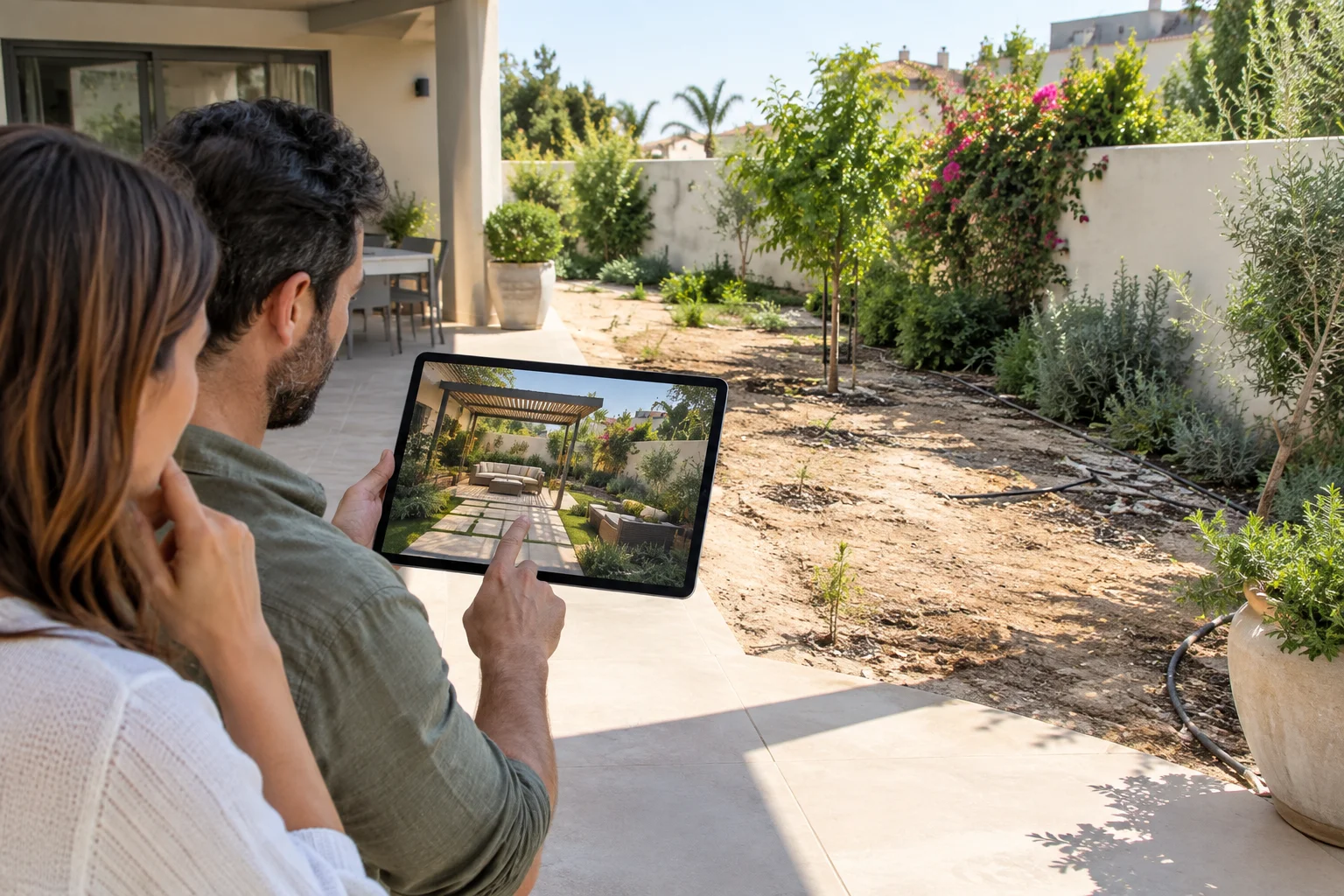
Start with the site rather than the product. Look at the sun path, the direction of prevailing winds, nearby walls, mature trees, irrigation lines, and the intended furniture layout. A shade sail needs clear anchor locations positioned at the correct height and angle. A pergola needs enough room for post placement and foundations without disrupting planting, drainage, or movement through the garden.
It is also worth considering the future. A family may initially need simple shade near a play area, then later want a permanent entertaining space. Conversely, a property owner who wants shade now but expects to redesign the garden within a few years may prefer the lower-commitment option of a sail.
The finish should match the rest of the outdoor space. A made-to-measure timber pergola can be designed around existing paving, planting beds, a deck, or built-in seating rather than forcing the garden to fit a standard size. Creative Garden Co. approaches shade structures as part of the whole garden plan, considering practical details such as drainage, irrigation access, planting, and long-term upkeep from the beginning.
The better choice depends on the garden
Choose a pergola when you want a permanent feature, a defined outdoor living area, and a structure that can evolve with lighting, planting, screening, or a roof solution. It asks for more initial investment and periodic wood care, but it usually delivers a longer service life and greater design flexibility.
Choose a shade sail when you need strong sun protection with a lighter appearance, have suitable anchor points, and value the ability to replace or remove the fabric over time. Invest in quality fabric, substantial posts, correct tension, and professional installation. Those details determine whether it remains a clean, useful feature or becomes a recurring repair job.
The best shade structure is the one that fits the way your family actually uses the garden, stands up to its specific exposure, and still feels like it belongs there years from now.