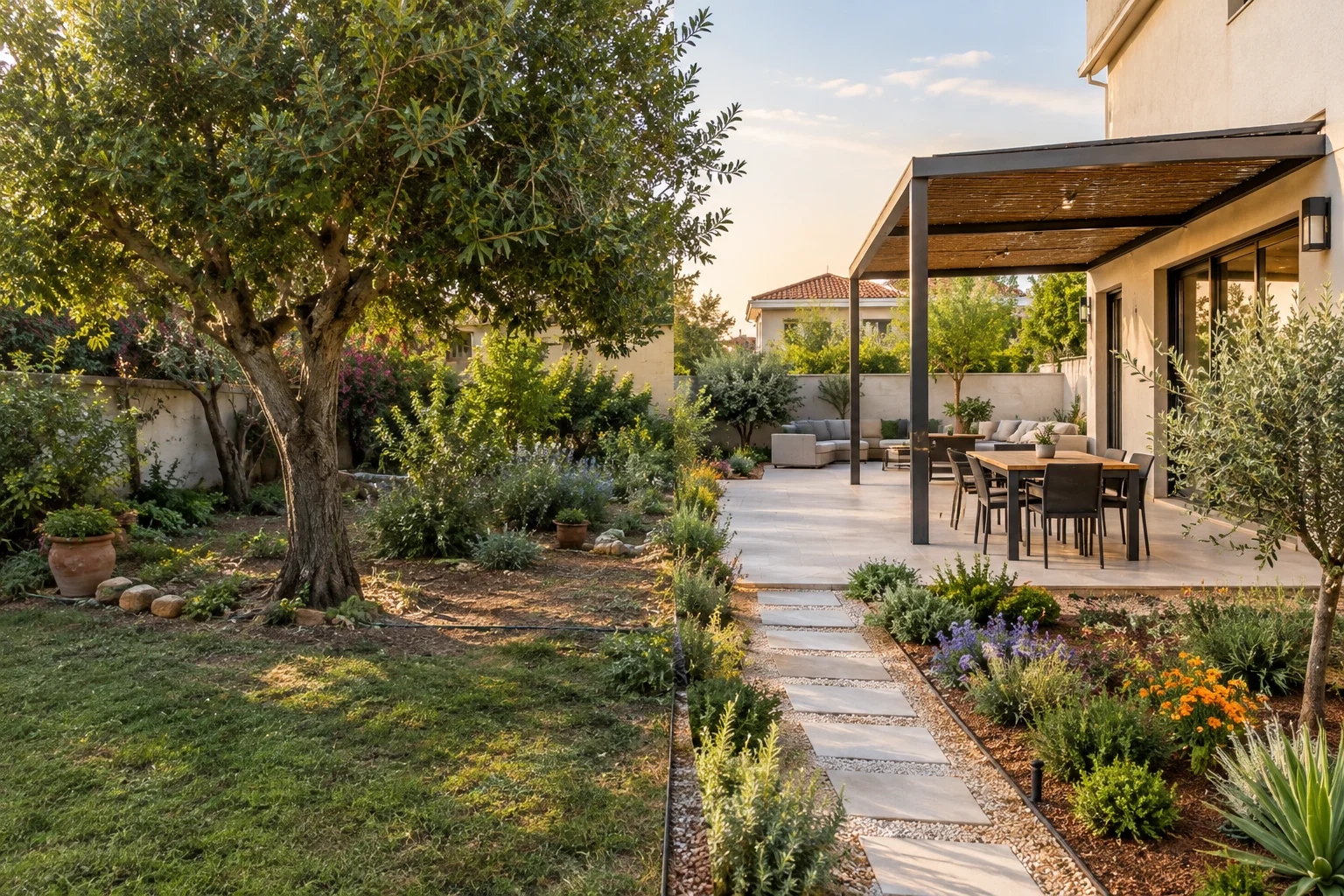
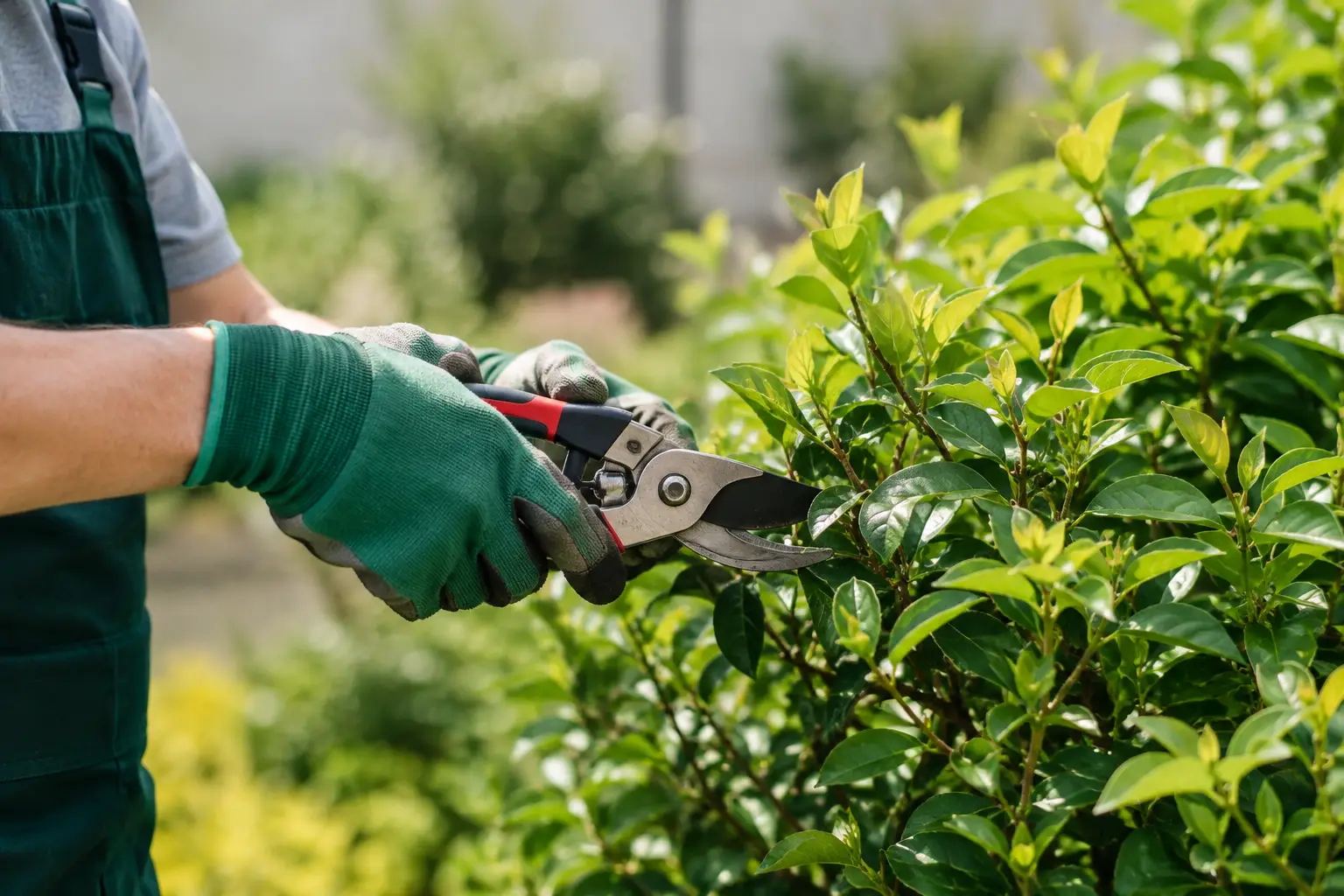
A bougainvillea spilling over a walkway, a citrus tree shading its own fruit, palm fronds hanging above the patio – these are not problems solved by simply cutting everything back. Good garden pruning Kiryat Gat homeowners can depend on is careful work: knowing what to remove, what to shape, and when a plant should be left alone.
In a home garden, pruning affects far more than appearance. It opens space for light and air, keeps paths and outdoor seating areas usable, reduces dead growth, and helps trees and shrubs keep a balanced form. Done well, it makes the whole garden feel cleaner and more intentional without making it look stripped bare.
Why pruning is different in Kiryat Gat
Southern Israel’s long dry periods, hot sun, and bursts of seasonal growth create a particular rhythm in the garden. Plants can grow fast after irrigation, then become stressed when heat and dry winds arrive. A branch that looks harmless in spring may be crowding a fence, blocking a window, or dropping debris across a deck by summer.
That is why pruning should not be treated as a once-a-year cleanup. Some plants benefit from light, regular attention. Others need a more deliberate seasonal cut. The right approach depends on the species, its location, its health, and what the garden needs to do for your family.
A hedge beside a driveway may need neat, frequent shaping. A mature olive tree may need selective thinning that respects its character. A young citrus tree needs structure and light, not an aggressive haircut. The aim is always the same: a healthy plant that works well within the space around it.
What professional garden pruning should achieve
Pruning is often requested when a garden begins to feel overgrown, but the best results come from looking beyond the immediate mess. A skilled maintenance visit considers safety, plant health, access, and the overall design of the outdoor space.
Clearer, safer outdoor areas
Low branches can interfere with paths, gates, parking areas, and children’s play spaces. Dense shrubs can hide steps or make a narrow route feel even tighter. Removing dead, damaged, or poorly placed growth restores clear movement through the garden and reduces the chance of a falling branch after strong weather.
Palm branch removal deserves particular attention. Old fronds can be heavy, sharp, and awkward to handle from the ground. This is not a task for guesswork or a quick pull with a ladder. Safe removal, cleanup, and responsible handling of the cut material leave the space safer and immediately more presentable.
Healthier growth, not just a smaller plant
When branches cross, rub together, or create a dense center, they can weaken the plant over time. Selective cuts improve airflow and let light reach inner growth. Removing dead wood also keeps a plant from putting energy into parts that will not recover.
However, more cutting is not always better. Taking too much foliage at once can stress a shrub or tree, especially during hot conditions. It can expose stems and fruit to intense sun, create weak regrowth, and leave a once-full screen looking thin for months. Good pruning respects the plant’s natural form rather than forcing every tree and shrub into the same shape.
A garden that looks designed, even between projects
A well-planned garden can lose its impact when edges become loose and plants start competing for the same space. Pruning restores the lines that make a design feel calm: a clear view from the home, a shaped hedge around a seating area, or a feature tree that can actually be seen.
This is particularly valuable after a new pergola, deck, fence, or outdoor upgrade. Plants need to be adjusted around the finished construction so they complement it instead of swallowing it. In some cases, the right pruning can transform a crowded corner without requiring a full replanting.
When to schedule garden pruning in Kiryat Gat
There is no single calendar date that suits every garden. Light cleanup, removal of broken branches, and keeping paths clear can happen as needed throughout the year. More substantial work should consider the plant’s growth cycle and the weather.
Late winter is often a useful period for shaping many deciduous plants before strong spring growth begins. Spring can call for tidying, training young growth, and removing damage revealed after winter. During the hottest part of summer, heavy cuts should be approached carefully. Plants are already managing heat, and suddenly exposing inner branches can cause stress.
Flowering shrubs require an extra level of timing. Some bloom on new growth and respond well to a cut before their active season; others form flowers on older growth and can lose their display if pruned at the wrong moment. If flowers are a priority, it is worth identifying the plant before cutting rather than relying on a general schedule.
Fruit trees also need individual attention. Citrus, pomegranate, fig, olive, and other common garden trees do not all respond in the same way. A few thoughtful cuts can improve shape and access, while excessive pruning may reduce the shade, fruit, or visual character you value.
Signs your garden needs attention now
Sometimes the timing is less about the season and more about what you can see. Dead or cracked limbs, branches touching a roofline, growth blocking a gate, and palm fronds hanging over a frequently used area should be addressed promptly.
Other signs are quieter. You may notice a shrub that is bare at the bottom because the top has become too dense, a tree canopy that keeps the lawn or groundcover beneath it permanently thin, or irrigation that is spraying into foliage rather than reaching the soil. These are practical clues that the garden needs a closer look.
If a plant has suddenly declined, pruning alone may not be the answer. The cause could be irrigation coverage, drainage, compacted soil, pests, or heat stress. Cutting back a struggling plant without finding the cause can make recovery harder. This is where a maintenance team that also understands irrigation and planting can make a meaningful difference.
Pruning and irrigation should work together
Pruning changes how water moves through a garden. Opening a dense shrub can allow water to reach the soil more easily. Removing low branches from a tree can reveal a damaged irrigation line or a sprinkler head that has been hidden for months. It can also expose plants that have been competing too closely for moisture.
After a significant pruning visit, check how irrigation is performing. Look for blocked emitters, spray hitting walls or fences, and dry spots beneath newly opened canopies. In Kiryat Gat’s warmer months, this small check can prevent a tidy garden from becoming a stressed one.
The reverse is also true: overwatering can create soft, fast growth that quickly becomes floppy or crowded. A thoughtful maintenance plan connects pruning, irrigation adjustments, weeding, and cleanup rather than treating each as an unrelated job.
What to expect from a proper pruning visit
The work should begin with a walk through the garden, not with a tool switched on at the gate. The team should identify dead material, unsafe branches, plants that need shaping, and areas where growth is interfering with daily use. They should also notice what should be preserved, including a flowering screen, a privacy hedge, or the natural profile of an established tree.
Cuts should be purposeful and clean. The finished result may not look dramatically smaller everywhere, because the goal is balance rather than maximum removal. You should be able to see clearer lines, healthier spacing, and better access without feeling that the garden has lost its warmth.
Cleanup matters just as much. Cuttings, leaves, fallen fruit, and palm debris can make a finished job feel incomplete. A proper service leaves patios, paths, and planting beds ready to use, not covered in the evidence of the work.
A better approach than waiting for overgrowth
Many homeowners call for pruning only when the garden has reached a breaking point. That is understandable, especially with a busy family schedule, but it often means larger cuts and a longer recovery period for the plants. Regular maintenance usually produces a better-looking result with less disruption.
Creative Garden Co. can combine routine pruning with weed control, leaf removal, irrigation checks, and seasonal cleanup, so small problems are handled before they take over the garden. For homes with new planting, custom wood features, or an evolving outdoor plan, that continuity helps each part of the space grow into its role.
A garden does not need to look overly formal to look well cared for. It simply needs room for people to move, plants to thrive, and the features you chose – shade, seating, play, color, or privacy – to remain visible. A timely, thoughtful pruning visit is often the simplest way to keep that balance in place.