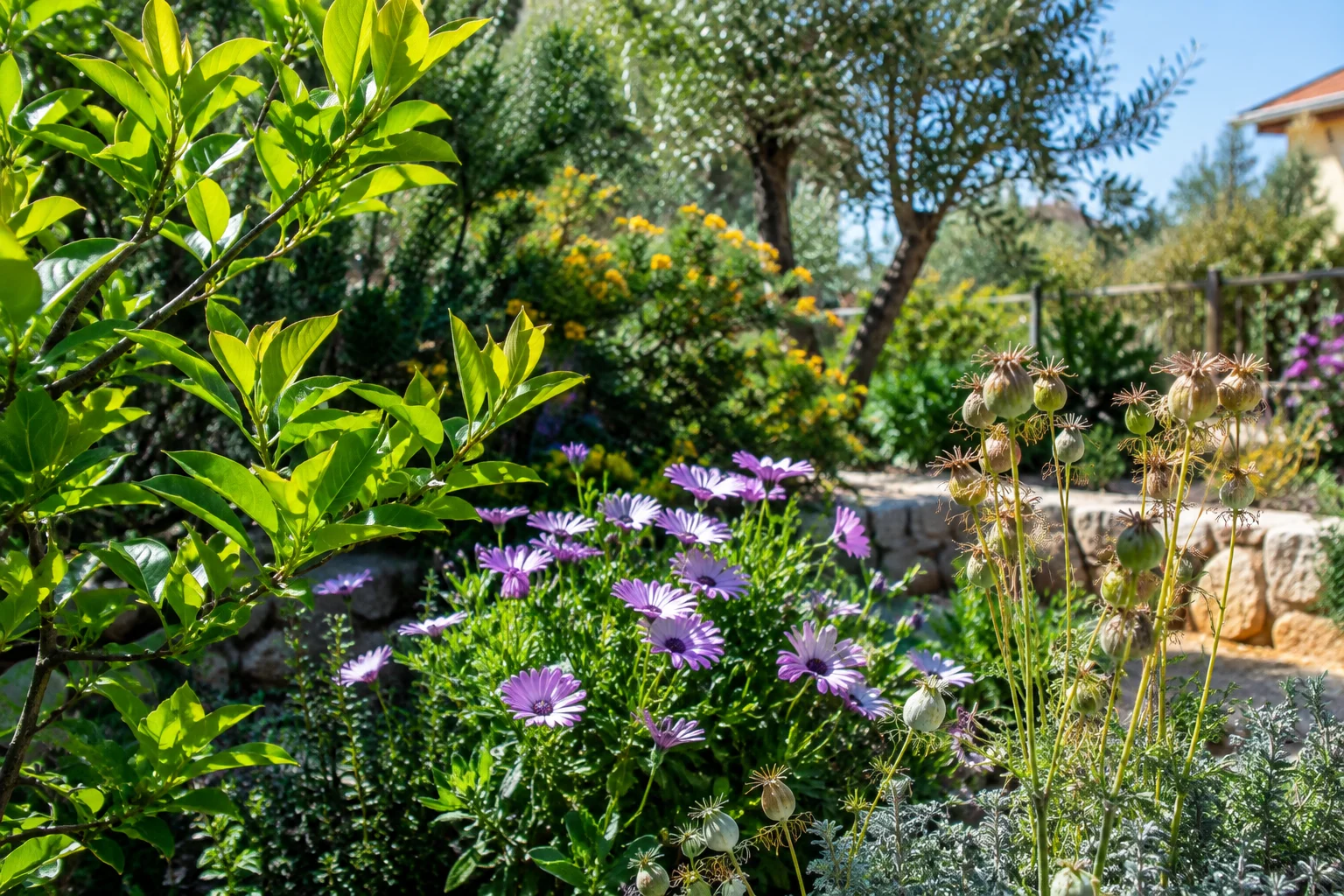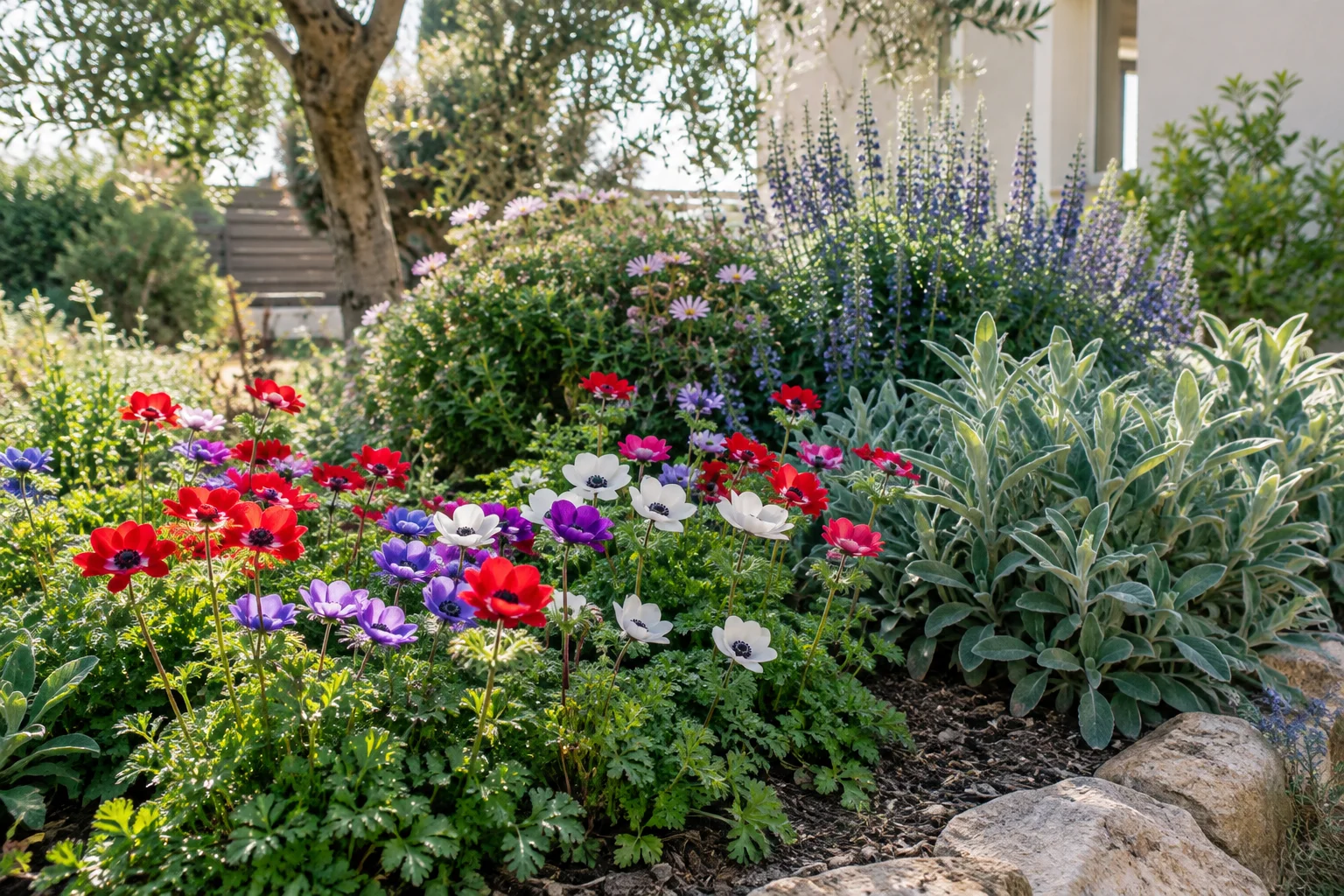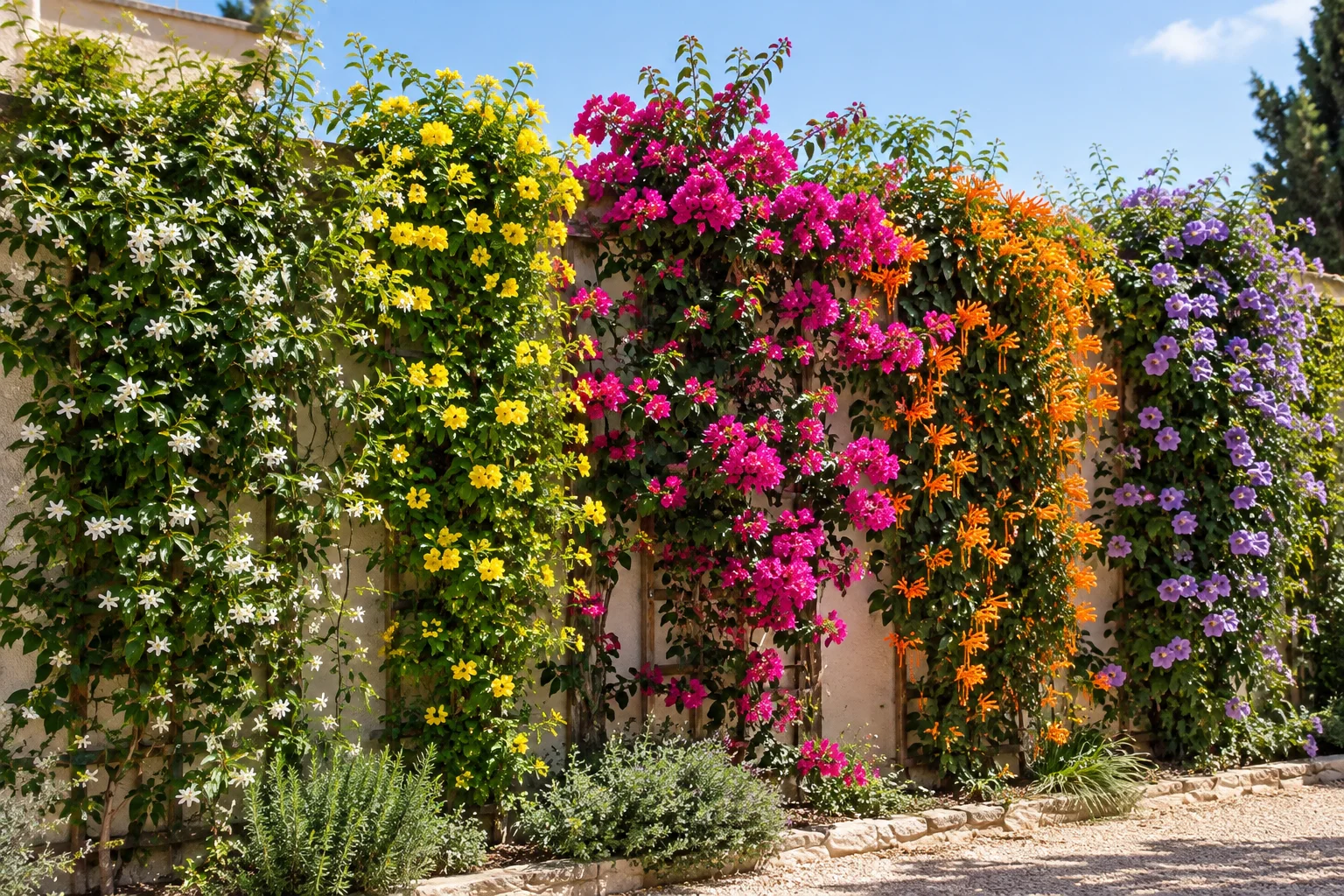
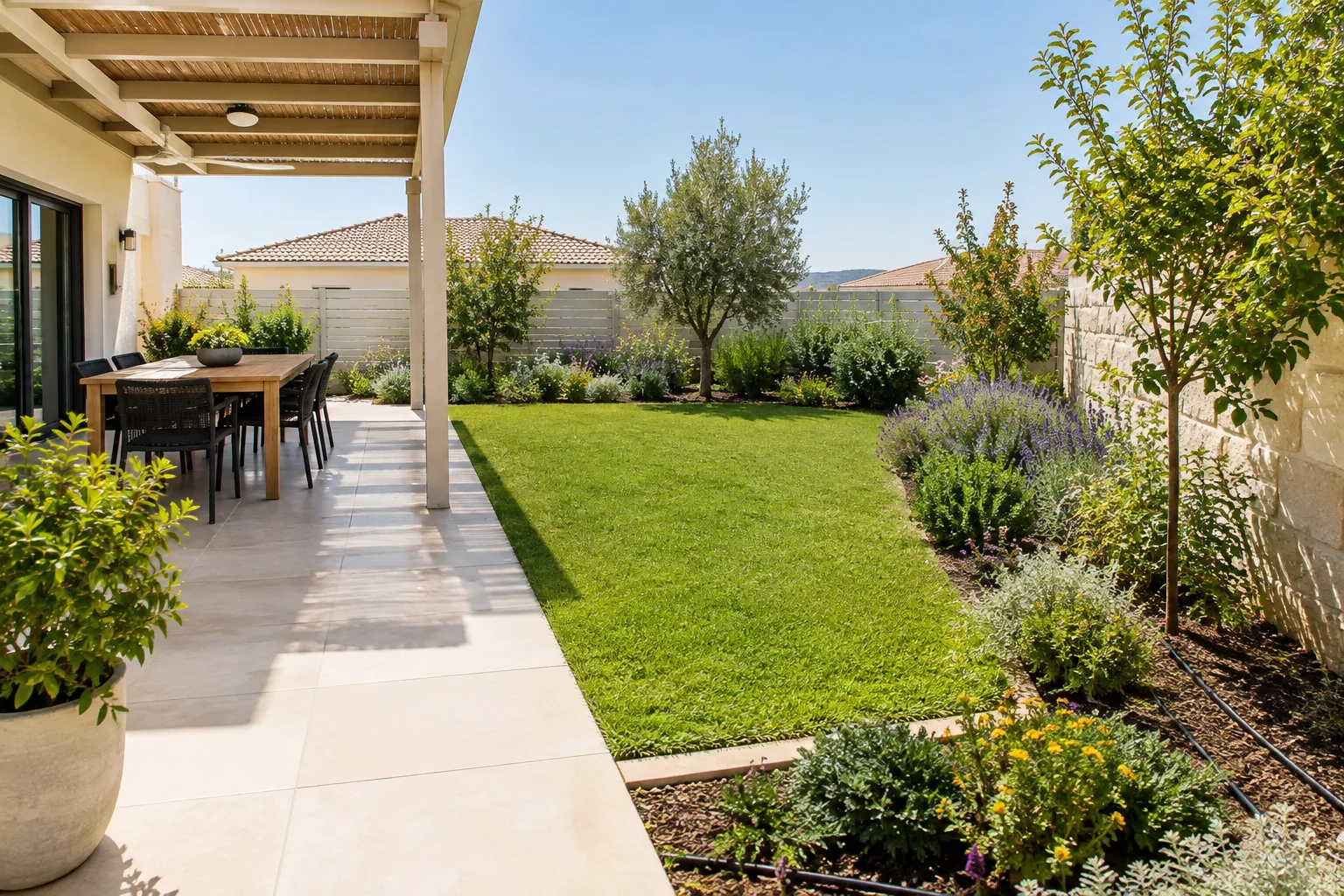
The new garden cost Carmei Gat homeowners should plan for depends more on the scope than the garden’s size. An empty new-build yard may need ground preparation, drainage decisions, irrigation, hard surfaces, shade and planting. Therefore, control the budget by funding difficult-to-change work first. You can then phase decorative extras when needed.
No single price suits every new garden. For example, a small garden with level ground and modest planting needs a different investment from one with paving, raised planters and a pergola. Start with a clear brief and an itemised scope instead of a headline number.
New garden cost Carmei Gat: what shapes it?
A new garden involves more than lawn and a few plants. Many new homes have outdoor areas with compacted, uneven or unfinished ground. In addition, limited access can complicate deliveries and machinery use. As a result, preparation and construction often take a substantial share of the project budget.
The main cost drivers usually include:
- the garden’s size, shape, levels and access;
- clearance, soil improvement, levelling and base preparation;
- paths, patios, edging, retaining features and other hard landscaping;
- the type and extent of irrigation;
- natural lawn, synthetic grass, gravel or planted ground cover;
- the number, maturity and type of plants or trees;
- shade structures, fencing, screens and outdoor carpentry;
- lighting, drainage considerations and utility access; and
- the complexity of installation and finishing details.
Consequently, gardens with the same square metres can need very different budgets. A simple planted layout may cost less than a smaller garden with extensive paving, custom timber work and level changes.
Spend first on foundations that protect the whole garden
When you set a new garden budget in Carmei Gat, protect the items that guide later decisions. These features may not attract attention on day one. However, they can prevent disruption and replacement work later.
1. A layout based on daily use
First, consider daily life. Decide where people will enter, sit, eat, play, dry laundry, store bins and move beside the house. Then place the main usable area where doors, views and sun exposure support it.
For example, a family that eats outside may value shaded seating near the kitchen more than a large lawn with no clear purpose. A thoughtful layout also keeps paths direct. As a result, it avoids narrow strips that make watering and maintenance difficult.
Homeowners with limited space can find useful planning ideas in this guide to small garden design for Carmei Gat homes. Good design does not require every possible feature. Instead, it gives each part of the available space a clear job.
2. Ground preparation and finished levels
Ground work deserves careful attention because shortcuts can create expensive problems. The final use should guide surface preparation, whether you choose paving, lawn, synthetic grass or planting. In addition, garden levels should work with patios, thresholds, drains and access covers.
Before comparing quotes, ask what each contractor includes in the preparation work. A low initial figure may leave out rubble removal, soil, levelling, compacted bases or proper edging. Consequently, the real cost can rise once work starts.
Do not assume every new-build yard needs identical treatment. Instead, use a site visit to assess the ground and practical constraints. Choose materials only after that review.
3. Irrigation that matches the planting plan
Irrigation offers a sensible early investment in Southern Israel, where strong sun and dry periods affect garden performance. Plan it alongside planting rather than adding it around completed surfaces. That approach gives pipe routes and planting areas proper consideration.
Separate watering zones help when lawn, shrubs, trees and containers need different care. Drip irrigation often suits planted beds, while lawn areas may need another method. The goal is not the most complex system. Rather, aim for controlled watering that you can maintain.
For a closer look at choices that affect a quote, read our guide to garden irrigation costs and system choices. Also discuss pipe routes, controller access, zones and future planting areas at the start.
4. Shade that improves daily comfort
In a sunny garden, shade can turn an attractive view into a space people use. Therefore, consider shade early when strong afternoon sun reaches the main patio or seating area. Position matters as much as the structure.
A pergola may suit homeowners who want a defined outdoor room. Alternatively, a shade sail may offer a lighter solution in the right setting. Each option brings different visual, maintenance and construction needs. Before choosing, review this practical guide to planning shade for a south-facing garden.
Where you can save without making the garden feel unfinished
A well-planned garden does not need maximum specification from the start. Instead, save by reducing non-essential scope. Do not weaken the base, irrigation or main circulation routes.
Use a phased plan, not disconnected purchases
Phasing offers a practical way to manage new garden cost Carmei Gat projects. Install the layout, essential surfaces, irrigation sleeves and main planting beds first. Then add a deck, built-in seating, decorative lighting or extra screening later.
Importantly, plan later work now. For instance, leave access and services for a future pergola. This avoids lifting a completed patio later. A phased garden should still look intentional at every stage.
Choose fewer materials and repeat them well
A small, coordinated material palette can reduce complexity and create a calmer result. For example, repeat one paving finish, one edging approach and similar planter materials. This often looks more considered than many small material changes.
Custom details add value when they solve a real site problem. However, standard-sized elements often cost less where the garden does not need a bespoke solution. Reserve custom work for awkward corners, essential privacy or a feature you will use daily.
Start with young, suitable planting
Large, mature plants create immediate impact, but they can raise the installation budget. Instead, combine a few focal plants with younger shrubs and ground covers. Give those plants enough space to establish.
Also choose plants for sun exposure, irrigation availability and mature size. This approach usually saves more over time than buying plants that compete for space or struggle in their position. Our guide to landscaping a new construction home explains why planting, access and construction need joint planning.
Be selective with lawn area
Lawn can support children, pets or a soft visual break beside a patio. Yet it should earn its place. A lawn that feels too narrow to enjoy or hard to mow may add maintenance without much benefit.
Natural grass provides a living, traditional surface, but it needs regular care and suitable watering. Meanwhile, synthetic grass reduces mowing and may suit a compact, heavily used area. It still needs a well-prepared base and occasional cleaning. Planted beds, gravel or ground cover may better suit areas that nobody needs to walk on.
How to create a realistic garden budget brief
Before you request a proposal, divide your wish list into essential now, useful soon and optional later. This makes comparisons easier. It also helps a designer suggest alternatives without losing the garden’s purpose.
- List the non-negotiable uses. Include seating, children’s play, pets, hosting, privacy, storage or a service route.
- Mark fixed site conditions. Note doors, existing paving, sun direction, boundaries, utility points and drainage covers.
- Set priorities in order. For example, put shade first, irrigation second, planting third and decorative lighting later.
- Decide what you can maintain. Be honest about lawn care, pruning, cleaning and seasonal adjustments.
- Request a clear scope. Ask the provider to show preparation, materials, installation and finishing work.
A visual concept can also clarify choices before construction starts. For instance, it can compare layout directions and the balance between lawn, planting and hard surfaces. However, a visualisation does not replace a construction drawing or guarantee a final result. The team must still review measurements, materials, levels and installation details.
Questions to ask before accepting a garden quote
Price matters, but the scope behind it matters more. Therefore, ask every provider the same questions. You can then compare proposals fairly.
- What preparation work does the quote include, and which site conditions could change it?
- Which materials, quantities and finishes does the quote include?
- How will irrigation zones serve lawn, trees and planting beds?
- What does the quote allow for soil, edging, drainage considerations and waste removal?
- Which features can you phase later without undoing completed work?
- What routine maintenance will the finished garden need?
Also check that the proposal reflects the priorities you discussed. The lowest quote may offer less preparation, irrigation or finish quality than another proposal. A useful comparison considers the complete result, not only the headline total.
Plan the right first stage for your Carmei Gat garden
The most sensible new garden cost Carmei Gat budget starts with a usable layout, stable preparation, sensible irrigation and meaningful shade. Afterwards, you can develop planting and finishing details at a pace that suits your household and budget.
Creative Garden Co. helps homeowners plan and install new gardens around real site conditions, daily use and Southern Israel’s demanding sun. If you have an empty yard or unfinished new-build garden, contact us to discuss priorities, explore the layout and create a practical phased plan.