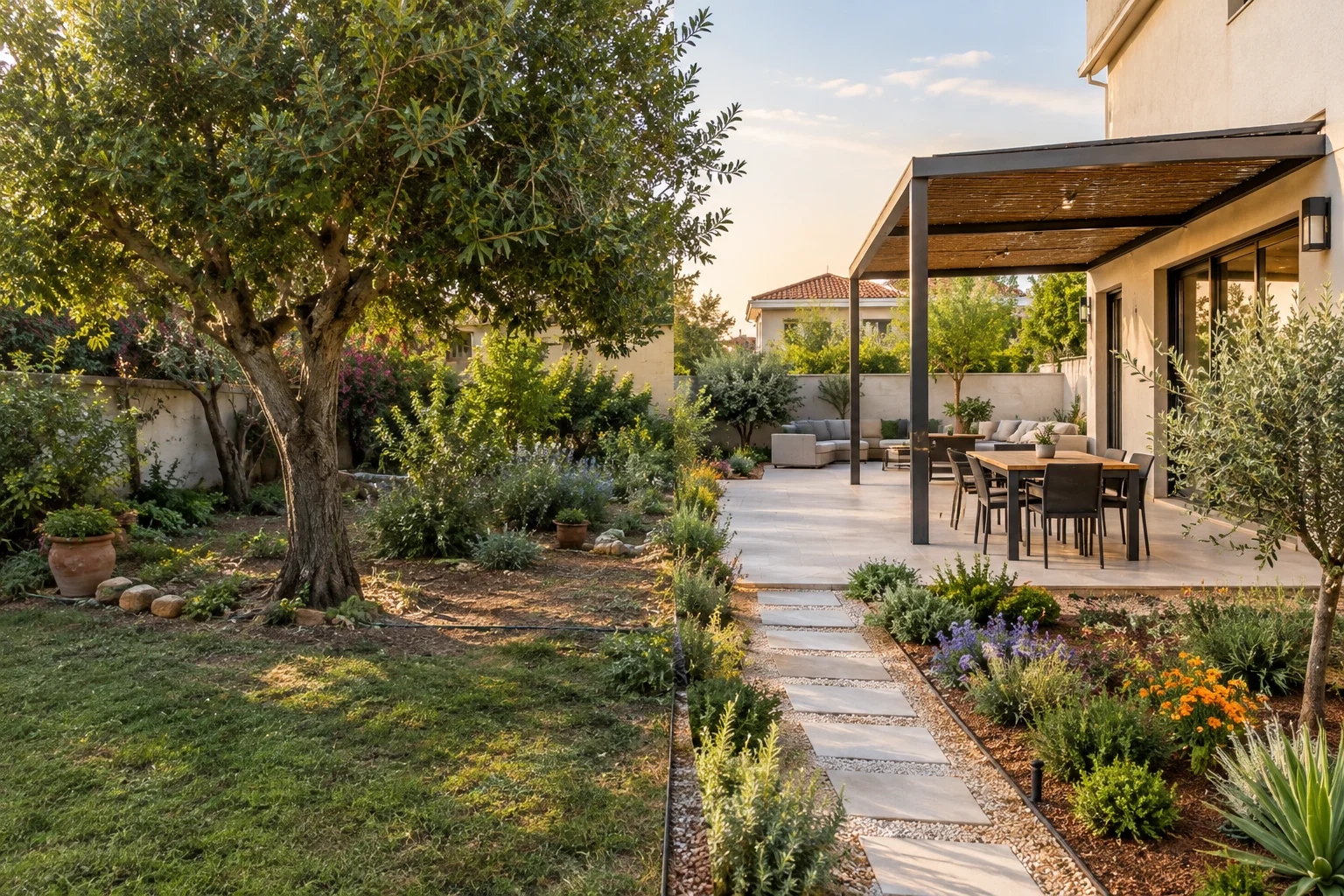
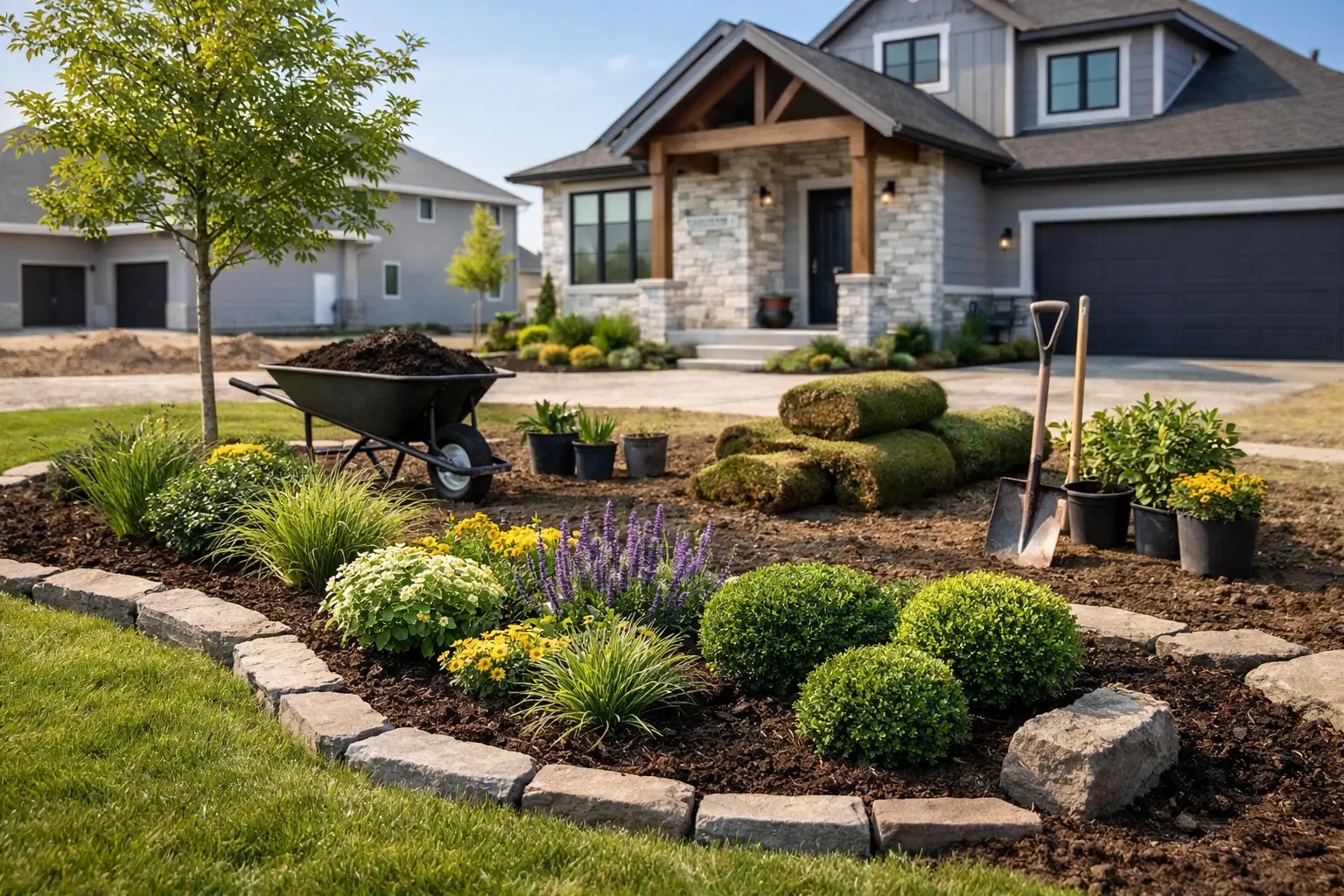
A new home can look finished from the street while the yard is still bare soil, construction rubble, exposed irrigation points, and a lot of unanswered questions. Landscaping for new construction homes is the step that turns that empty plot into a place where family life can actually happen – with shade for hot afternoons, room for children to play, and planting that feels settled rather than temporary.
For homeowners in Kiryat Gat, Carmei Gat, Even Shmuel, and across Southern Israel, the best results come from planning the outdoor space before making a series of quick purchases. A few plants and rolls of turf may create an immediate change, but they do not solve drainage, privacy, access, summer sun, or long-term maintenance. A well-planned garden does.
Start With the Site You Actually Have
New construction yards rarely begin as a blank canvas. They often include compacted soil, leftover building materials, uneven grades, utility covers, air-conditioning units, and drainage routes that need to remain accessible. Before choosing plants or a deck color, measure the property and understand what cannot be moved.
Pay attention to where water runs after irrigation or rain. In Southern Israel, a yard may see long dry periods followed by heavy winter rainfall. Water that collects beside the house, floods a patio, or washes soil toward a gate is a design issue, not something planting can hide. Grading, drainage paths, and durable edge details should be addressed early, while the yard is still open.
This is also the time to locate existing water lines, electrical points, outdoor faucets, and future needs. If you know you want garden lighting, a pergola fan, a playhouse, or a separate irrigation zone for planters, planning the infrastructure now avoids opening up finished areas later.
Plan Landscaping for New Construction Homes Around Daily Life
The first question is not, “Which plants do we like?” It is, “How do we want to use this yard?” A family that hosts Friday dinners outside needs a different layout than a couple looking for a quiet garden retreat. A home with young children may need a clear play zone that can be seen from the kitchen, while a pet owner may prioritize tough surfaces and secure fencing.
Think through how people will move from the house to the garden, parking area, storage, laundry line, and outdoor seating. Paths should follow real movement, not force everyone to walk through planting beds or across wet grass. A patio placed close to the kitchen makes outdoor meals easier. A shaded seating area at the far end of the garden can create a calmer escape, but only if there is a comfortable route to reach it.
Privacy is another early decision. New neighborhoods can feel very exposed until surrounding homes, fences, and gardens mature. Layered planting, fencing, screens, and custom woodwork can create privacy without making the yard feel closed in. The right solution depends on neighboring views, wind exposure, local regulations, and how much ongoing trimming you are comfortable with.
Build Shade Before the Heat Arrives
In this region, shade is not simply a decorative extra. It determines whether an outdoor space is usable through much of the year. Young trees are a valuable long-term investment, but they will not provide enough cover during the first few summers. A pergola, covered patio, shade sail, or combination of structures and planting gives the garden an immediate purpose.
Custom pergolas are especially useful when standard sizes do not fit the house, patio, or furniture layout. A structure can be designed around a dining table, outdoor kitchen, sliding door, or narrow side yard, with the right height and proportions for the space. Wood brings warmth to a newly built home, but it should be made from materials and finishes suited to outdoor exposure and maintained when needed.
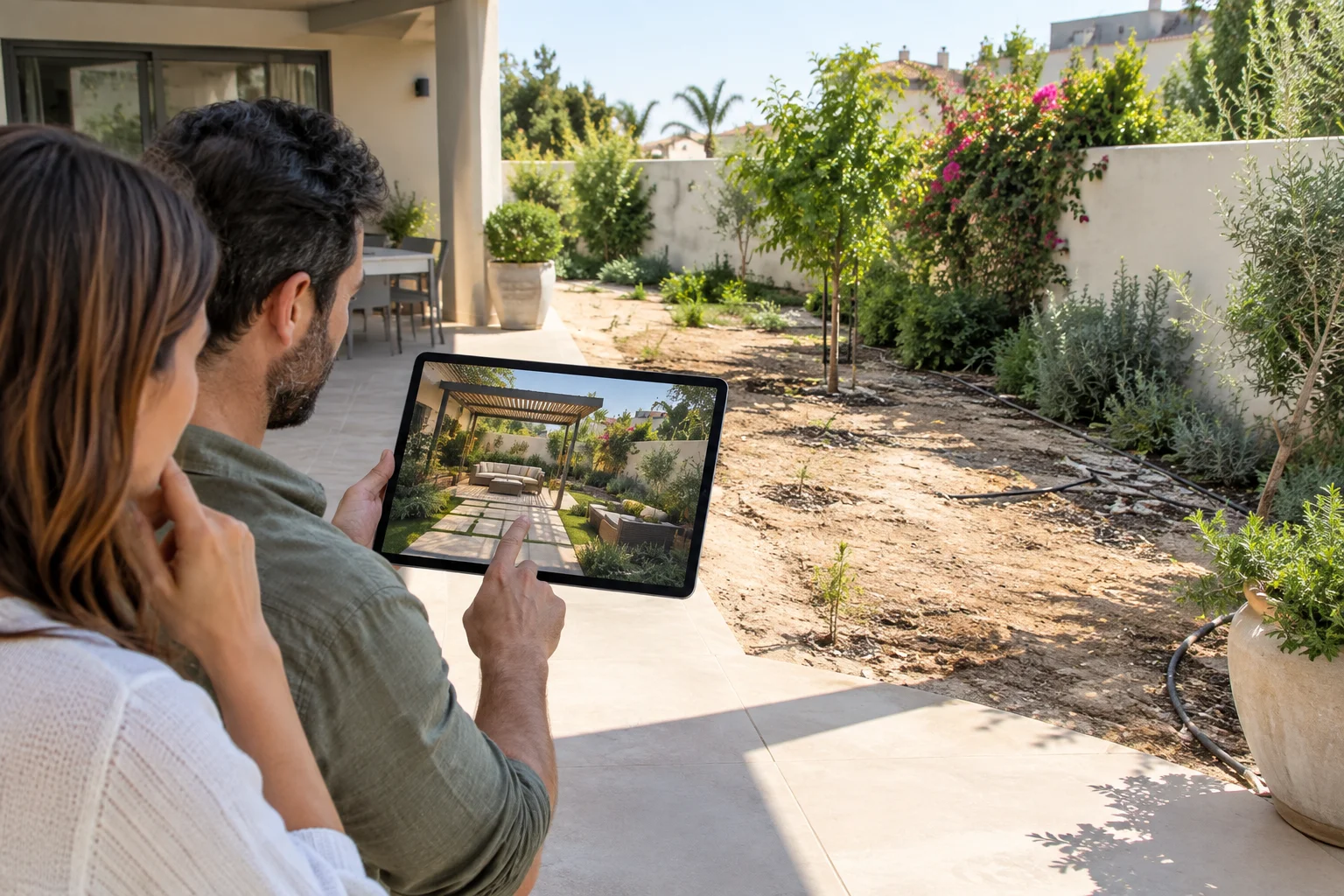
Shade has trade-offs. A deeply covered area is comfortable in July and August, yet it can reduce winter light inside the home or limit planting choices beneath it. Visual renders and a clear site plan help homeowners see these decisions before construction begins.
Give Irrigation the Attention It Deserves
A beautiful new garden cannot stay beautiful if the irrigation system is poorly planned. Different areas need different amounts of water. Turf, fruit trees, hedges, flowering beds, pots, and drought-tolerant plants should not automatically share one irrigation schedule.
Drip irrigation is often the practical choice for planting beds because it brings water close to roots and helps reduce evaporation. Sprinklers may be appropriate for lawns, but they must be positioned carefully so they do not spray walls, paving, windows, or seating areas. Leaks and broken connections are easier and less expensive to correct before beds, decks, and decorative stone are completed.
Choose planting with the maintenance level in mind. A lush garden is possible, but it requires regular watering, pruning, cleanup, and seasonal care. If your household travels often or has limited time, a more water-wise planting plan with mulched beds, hardy shrubs, and a smaller lawn may give you a better-looking yard with less pressure.
Create a Strong Foundation With Hardscape
The hardscape is what gives the garden structure: patios, walkways, retaining edges, steps, driveways, decks, fences, and defined planting borders. These elements should be planned as one composition instead of added one at a time over several years.
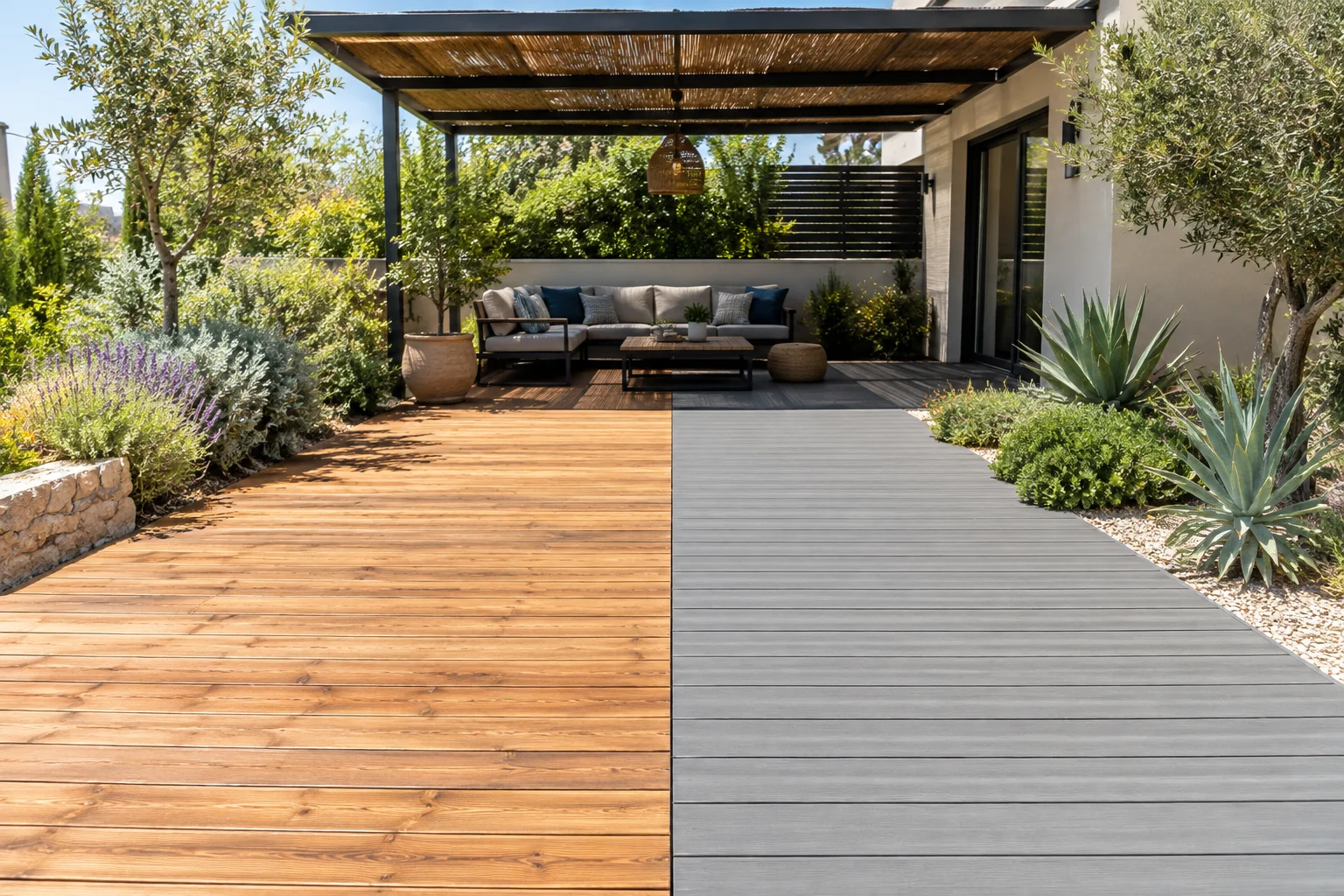
For example, a deck can soften the connection between the house and garden while providing a level place for seating. A paved patio may be the better choice near a barbecue or outdoor kitchen because it is easier to clean and handles heavy use well. Gravel can work in low-traffic decorative areas, but it is less ideal where strollers, small children, or wheeled furniture need a smooth surface.
Do not overlook the practical details. Steps need safe proportions. Gates need enough clearance. Storage areas need accessible paths. A fence should provide privacy and security without blocking ventilation where airflow matters. These are the details that make a garden feel easy to live with rather than merely attractive in photos.
Plant for Shape, Color, and a Garden That Grows Well
Planting is where the space begins to feel alive, but bigger is not always better. Overcrowding young plants to make a garden look full on installation day often creates extra pruning, disease, and competition for water later. Give trees, shrubs, and climbers room to reach their natural size, especially beside walls and pathways.
A successful planting plan balances structure and seasonal interest. Evergreen shrubs can provide year-round shape and privacy. Flowering plants bring color at key times of year. Small trees can frame a view or add future shade. Groundcovers and mulches help finish beds while protecting soil from drying out.
Consider the garden from inside the house too. The view from a kitchen window, living room, or main bedroom should feel intentional. Sometimes the most valuable plant is not the rarest specimen but the one that softens a fence, hides an utility area, or creates a green focal point where you see it every day.
Leave Room for the Features That Make It Yours
A new yard should reflect the people living in the home. That may mean a custom bench built into a deck, a sturdy playhouse, raised planters for herbs, an outdoor storage solution, or made-to-measure furniture that fits an awkward corner. These features are easiest to integrate when they are part of the original design rather than afterthoughts.
Creative Garden Co. approaches these projects as one connected outdoor space, combining garden design, irrigation, installation, maintenance, and custom carpentry. That means a pergola can fit the patio it shades, planting can suit the irrigation plan, and fencing can match the garden’s overall look.
Protect Your Investment With Ongoing Care
The first year after installation is when a garden settles in. New plants need monitoring, irrigation settings need seasonal adjustments, and weeds will test every freshly prepared bed. Regular maintenance keeps small problems from becoming expensive ones.
This does not always mean intensive weekly work. The right schedule depends on plant choices, yard size, season, and your expectations. Some gardens need frequent pruning and cleanup to stay crisp, while others benefit from periodic visits for weeding, irrigation checks, tree styling, palm branch removal, and seasonal refreshes.
A finished garden is not the last stage of a new home. It is the beginning of an outdoor space that becomes more comfortable, more personal, and more valuable each season when it is planned with care and looked after properly.