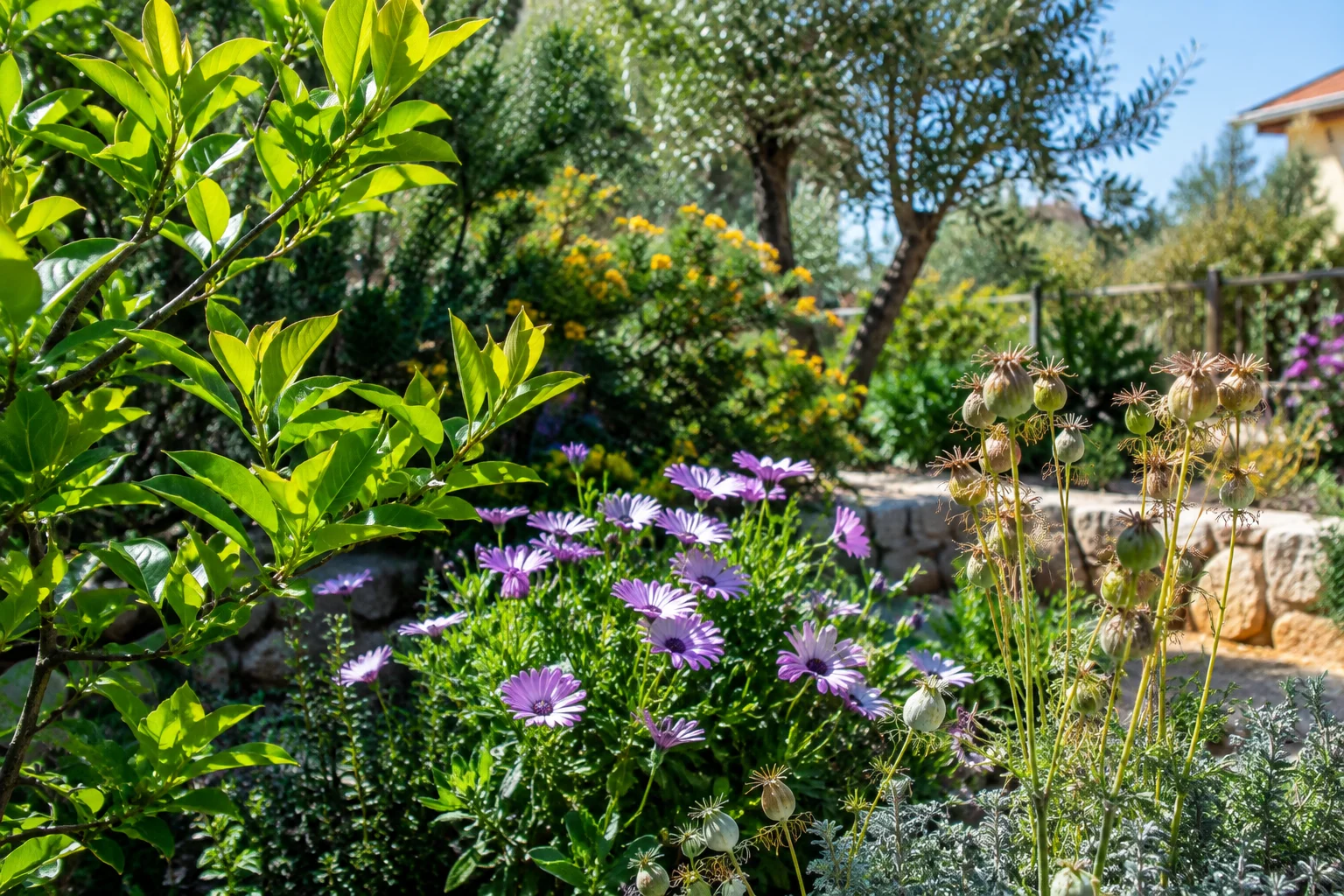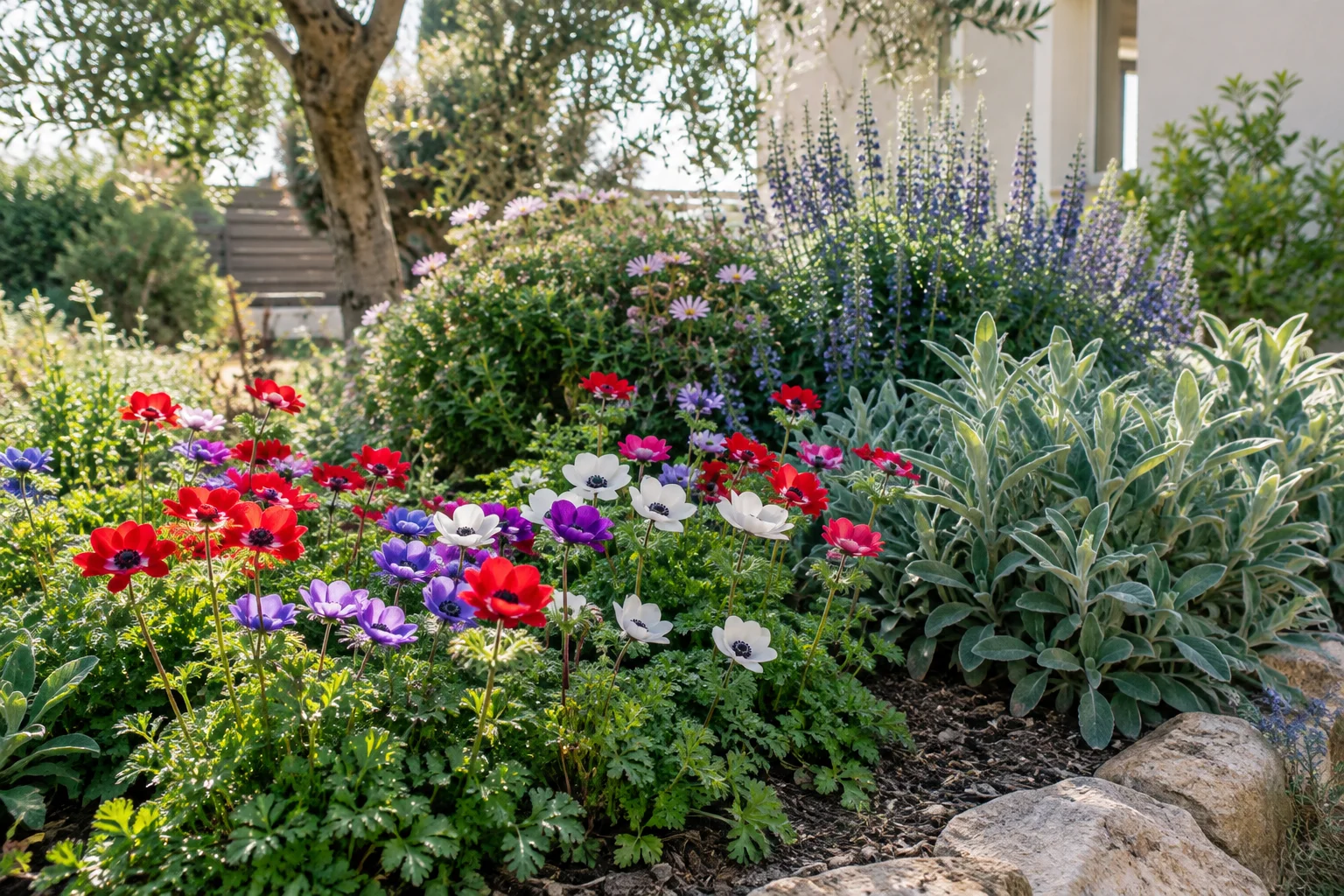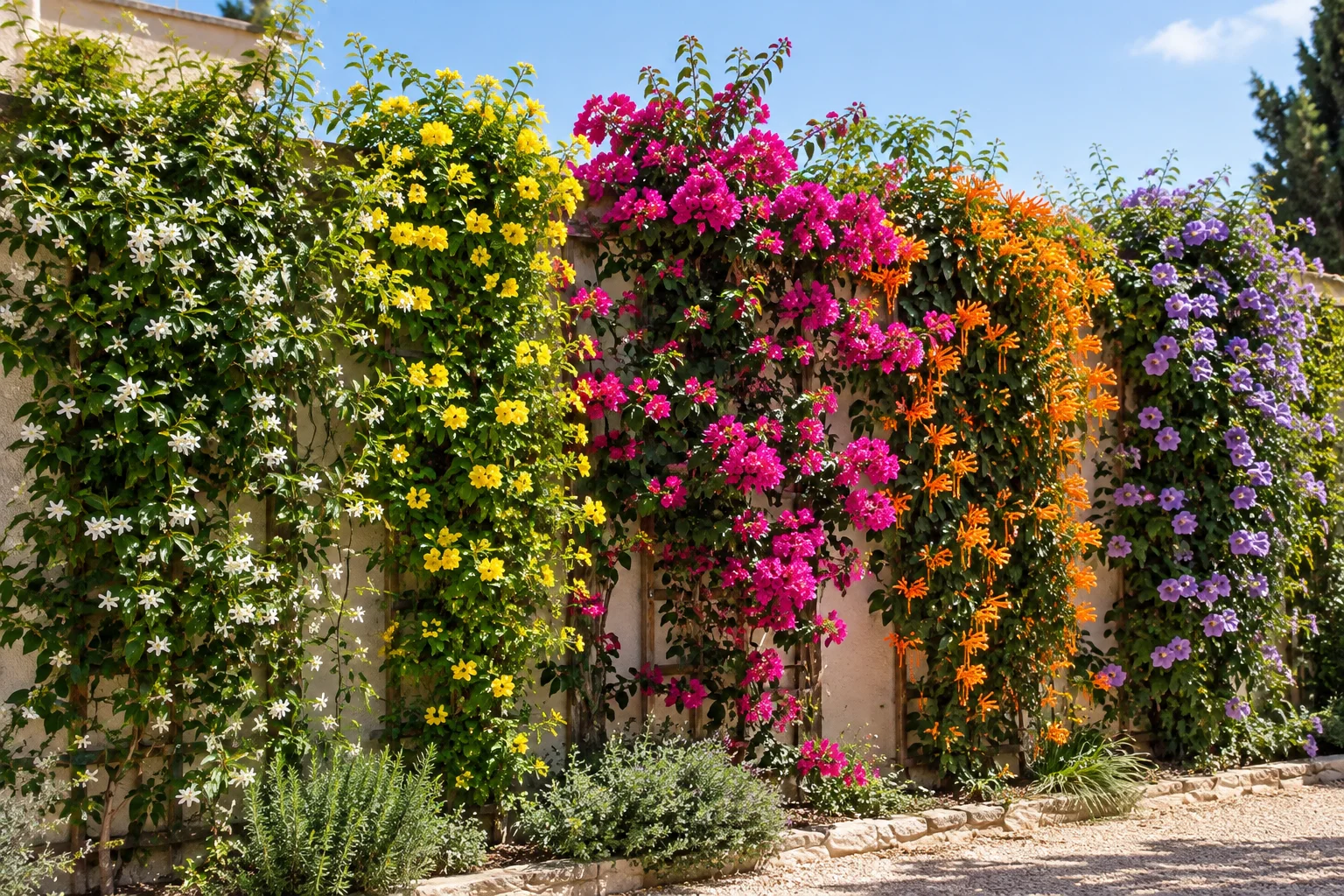
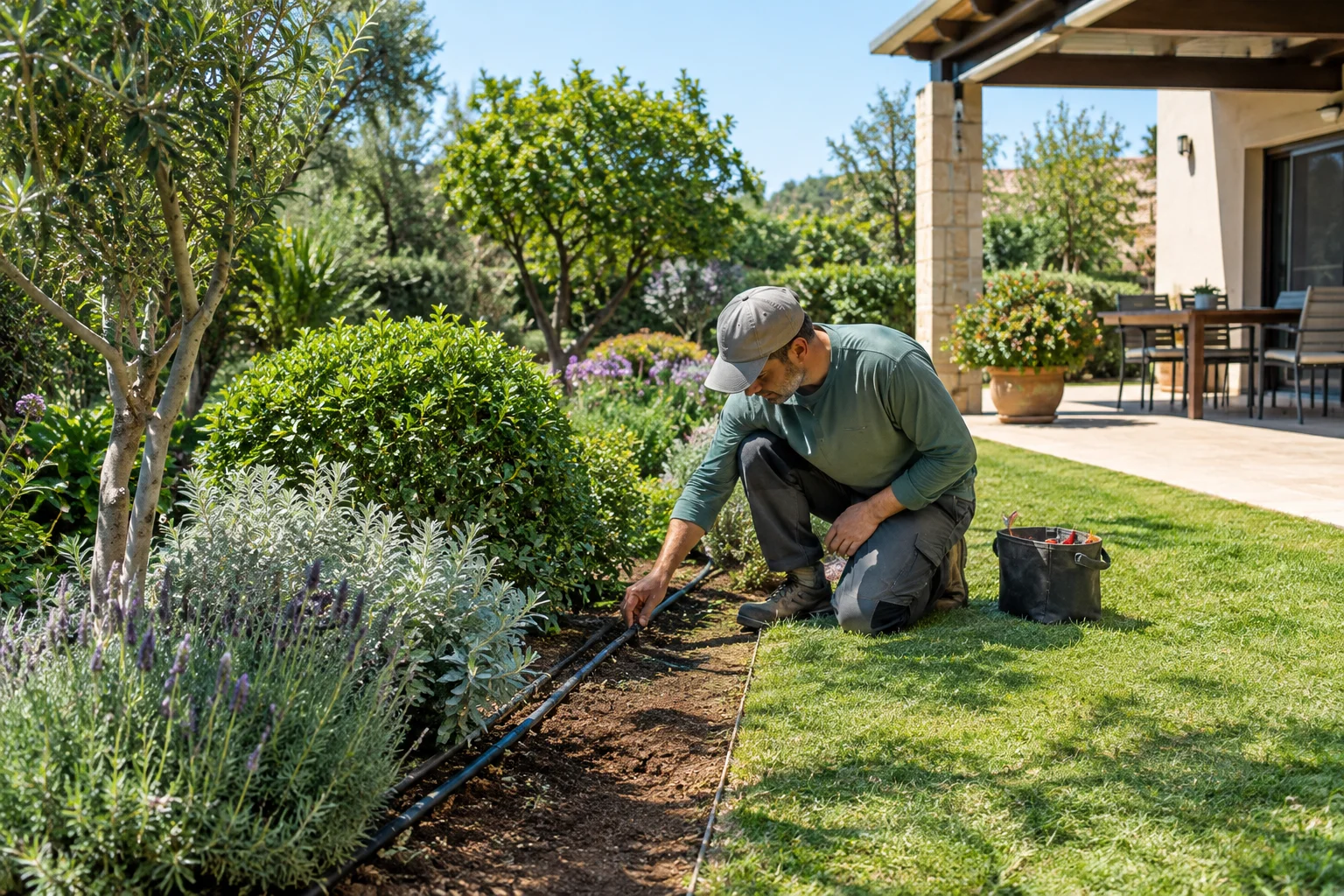
A garden maintenance calendar helps homeowners in Southern Israel give plants the right care at the right time. Garden tasks change through the year. Summer focuses on irrigation and heat stress. Meanwhile, cooler months suit cleanup, planting decisions and many pruning jobs. A simple routine prevents small problems from becoming an overgrown garden, a failing lawn or wasted water.
Exact timing depends on the weather, your plants and the sun each area receives. However, the calendar below offers a practical framework for private gardens in and around Kiryat Gat, Carmei Gat and the wider region.
Garden maintenance calendar: how often should a garden be maintained?
Most gardens benefit from a quick check every week or two, especially in hot weather. Look for dry plants, leaking irrigation, weeds, blocked paths and fallen branches. Also watch for growth that starts to cover other plants.
The right visit schedule depends on the garden. A compact garden with established low-water plants may need only occasional focused visits. In contrast, gardens with natural lawn, hedges, fruit trees, pots and fast-growing plants usually need more regular care.
- Weekly or fortnightly checks: irrigation operation, weeds, lawn condition, dry foliage and visible pests or damage.
- Monthly tasks: edging, light shaping, debris removal, dripper checks and plant growth reviews.
- Seasonal tasks: irrigation changes, deeper pruning, major cleanup, lawn preparation and replacement of poor-performing plants.
A regular routine works better than cutting everything back during one large visit. It also lets you respond to changing conditions and preserve the garden’s intended shape. Use this garden maintenance calendar as a guide, then adapt each visit to the needs of your own planting and irrigation system.
Spring garden maintenance calendar: prepare for active growth
Spring often brings visible new growth. Weeds can appear quickly, shrubs can spread and planting beds can lose their tidy edges. Therefore, use this season to reset the garden before hotter conditions arrive.
Clear weeds and define planting areas
Remove weeds while they remain small, before they compete with established plants. Then clear fallen leaves, dry stems and garden waste from beds, tree bases and paths. As a result, you can see irrigation lines more easily and spot plants that need attention.
Afterward, restore clean edges between lawns, paths and planting beds. A clear border makes the garden look cared for before you add any new plants.
Check irrigation before summer demand
Run each irrigation zone and watch it work. Check that drippers water the intended plants and that sprinklers do not spray paving. Also make sure water does not pool near paths or walls. In addition, inspect pipes, fittings and emitters for damage or soil cover.
Do not increase watering simply because temperatures rise. Instead, first confirm that each zone serves plants with similar needs. Our guide on reducing irrigation water waste in Southern Israel explains how to improve a system before using more water.
Prune selectively, not aggressively
Light shaping keeps shrubs away from paths and stops one plant from shading another. However, do not prune every tree and shrub in the same way. Heavy cuts at the wrong time can remove useful foliage, expose stems to strong sun or disrupt flowering.
Focus on dead, damaged, crossing or unwanted growth. For larger shrubs, palms and established trees, take a considered approach. This usually gives a safer and better-looking result. Read more about garden pruning in Kiryat Gat before planning major cuts.
Summer garden maintenance calendar: protect plants from heat and water stress
Summer care in Israel relies on consistent watering, early checks and less plant stress. Strong sun and long dry periods can affect plants quickly. In particular, watch new planting, pots and lawn areas closely.
Adjust irrigation as conditions change
Review irrigation settings as the weather gets hotter. A spring timer setting may not suit summer. However, adjust every zone for its soil, exposure and planting. For example, a shaded bed with established shrubs may need a different schedule from a sunny lawn or new border.
Check the soil instead of relying only on the timer. If water runs off hard ground, pools on the surface or leaves deeper roots dry, adjust the schedule or delivery method. Early morning watering can also reduce water loss during midday heat.
Watch new plants and container gardens closely
New trees, shrubs and flowering plants need close checks while their roots establish. Look for wilting, scorched leaves and dry soil below the surface. However, heat, poor coverage, compacted soil or root problems can all cause stress. Therefore, do not assume that extra water will solve every problem.
Pots dry faster than in-ground beds. Consequently, group containers with similar water needs to simplify checks. Where possible, move vulnerable pots away from intense reflected heat near walls and paving.
Keep the garden usable and safe
Remove dry plant material, fallen palm fronds and branches promptly. Also keep access paths clear, especially near seating and play areas. Meanwhile, use light trimming to stop vigorous growth from blocking irrigation heads, gates or walkways.
Summer rarely suits major renovation pruning or extensive transplanting. Instead, protect healthy foliage, address clear safety issues and plan larger corrective work for cooler conditions.
Autumn garden maintenance calendar: restore order and assess changes
As intense summer conditions ease, autumn offers time for a fuller review. The garden can show which plants handled summer well. It can also reveal irrigation zones that need work and areas where growth now affects the layout.
Carry out a focused seasonal cleanup
Clear dead foliage, weeds, fallen fruit and unwanted growth from beds and hard surfaces. Next, cut back plants that have become too dense, while keeping healthy structure and useful shade. This work improves access and gives remaining plants more space.
A one-off cleanup may suit a garden that has fallen behind but does not need a full redesign. See what a seasonal garden cleanup typically involves if your outdoor space needs a practical reset.
Review lawn and ground cover
Inspect lawn edges, bare patches and compacted high-use areas. Also check that sprinklers cover the lawn evenly rather than watering paving or nearby beds. Correcting poor coverage often helps more than repeatedly treating visible symptoms.
For ground cover and planting beds, remove encroaching weeds. Then check whether larger shrubs shade smaller plants too heavily. If plants continue to struggle, consider whether the location, irrigation or plant choice should change.
Plan improvements before winter
Use autumn to note practical upgrades for the coming months. For example, you may need better drip coverage, simpler planting, a clearer path edge or more shade in a difficult area. Small changes can reduce maintenance next summer.
Winter garden maintenance calendar: maintain drainage and structure
Winter maintenance in Israel does not stop completely. Cooler weather and rainfall can reveal drainage problems, encourage weeds and create opportunities for selected planting and structural care.
Check drainage and irrigation after rain
Walk through the garden after rain when possible. Look for standing water, soil washing from beds, wet areas near irrigation fittings and runoff across paving. These problems need attention before they affect plants, paths or finished surfaces.
Rain can also change the amount of supplemental irrigation your garden needs. Therefore, adjust schedules carefully rather than leaving summer settings in place. However, do not switch irrigation off automatically if new planting or sheltered areas still need water.
Control weeds before they establish
Moist soil often makes weeds easier to remove. Regular winter removal reduces later work and helps ornamental plants retain space and moisture. In addition, clear leaves and debris from drains, paved areas and irrigation components.
Use the cooler season for considered pruning
Winter can suit certain pruning and reshaping jobs, depending on the plant. Remove dead or damaged branches. Also address growth that affects paths, roofs, fences or nearby plants. Yet do not follow one blanket pruning schedule. Instead, let flowering cycles and plant type guide the work.
Seek professional advice if a mature tree needs substantial work or branches grow near structures. Large cuts need a clear plan.
A year-round garden maintenance checklist
This short checklist supports the garden maintenance calendar and suits most residential gardens. Keep it near your irrigation controller or garden storage area.
- Check that irrigation runs correctly and reaches the intended plants.
- Remove weeds before they spread or set seed.
- Clear dry foliage, fallen branches and garden waste.
- Keep paths, gates and seating areas free from encroaching growth.
- Inspect plants for stress, damage or overcrowding.
- Adjust watering as temperatures, rainfall and plant growth change.
- Prune for health, shape and access rather than simply reducing size.
- Note recurring problems, such as dry patches or leaking lines.
When regular maintenance is not enough
A maintenance routine can keep a workable garden in good condition. However, it cannot solve every underlying problem. If irrigation zones have poor planning, plants repeatedly fail, drainage falls short or the layout no longer suits your family, targeted landscaping work may offer a better long-term answer.
Creative Garden Co. provides garden maintenance in Southern Israel for ongoing care, seasonal pruning, irrigation checks and one-off cleanups. We can also help you identify when your garden needs a practical upgrade instead of another temporary fix.
If you want a routine tailored to your plants, irrigation and outdoor space, contact Creative Garden Co. Then we can discuss the care your garden needs through the year.