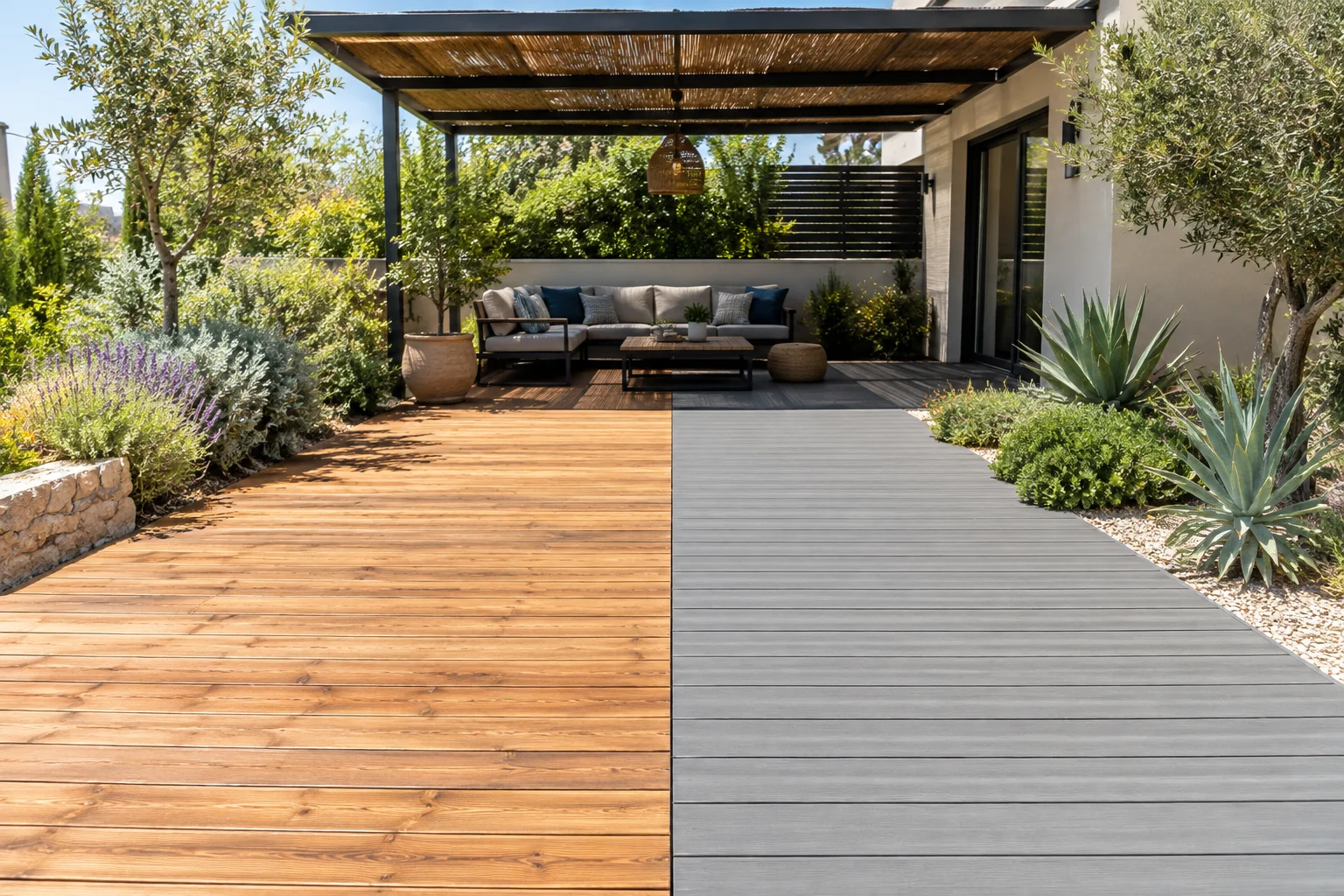
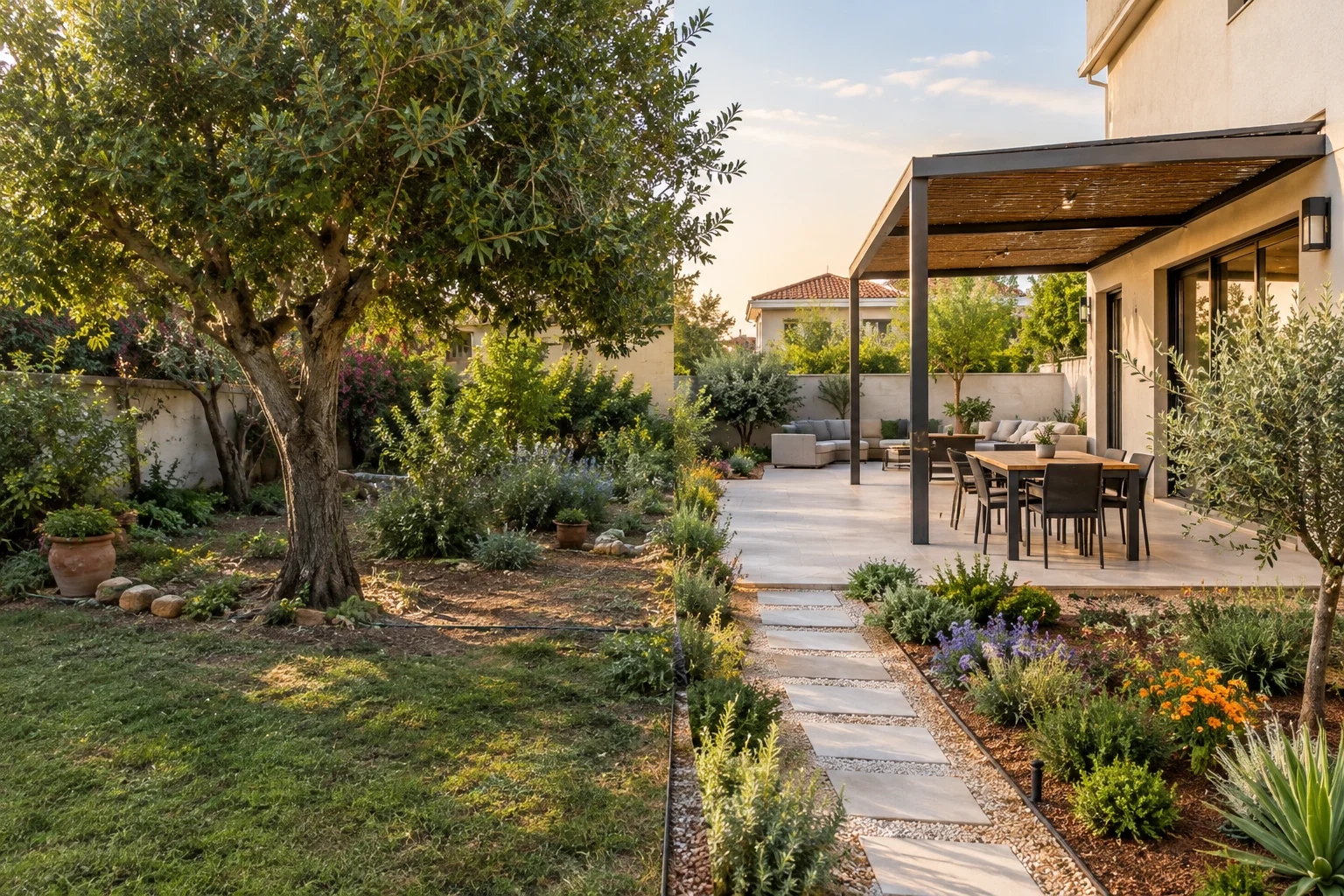
The choice between garden renovation vs new garden comes down to one question: does your existing garden have a sound structure worth keeping? If the layout, levels, drainage and key features work well, a targeted renovation can create a major improvement. However, a complete redesign may offer the wiser long-term choice when the garden feels difficult to use, drains poorly or has disconnected additions.
This decision matters because gardens develop in layers. Replacing plants is simple compared with moving paths, correcting ground levels or rebuilding irrigation. Therefore, look below and around the visible surface before you choose a garden makeover.
Garden renovation vs new garden: the quick answer
Choose a garden renovation when the garden has a workable layout, stable hard surfaces and healthy features you want to retain. For example, you may keep a mature tree, patio or established boundary planting. Then, improve irrigation, add shade and reshape the planting beds.
Choose a new garden when the current layout prevents the outdoor life you want. A full restart often makes more sense when access feels awkward, water runs towards the house or surfaces have failed. It can also help when the lawn sits in the wrong place or past additions compete for one small area.
In many homes, the best answer sits between the two. You might retain a valuable tree and one sound paved area. Meanwhile, you can rebuild the remaining space as one coordinated garden transformation.
When renovating an existing garden makes sense
A renovation is not a lesser option. In fact, it can offer the most efficient way to create a garden that feels new. It also lets you keep elements that add value, shade or character.
The layout already supports how you live
Start with use, not appearance. If the main sitting area sits close to the house, paths follow natural walking routes and the garden has space for children, pets or entertaining, keep the framework.
Then, focus your budget on the parts that limit comfort. In Southern Israel, this may mean adding practical shade or improving privacy. You may also refresh surfaces that absorb too much heat or add planting that softens a bare boundary.
Existing trees and planting are healthy and well placed
Mature trees provide shade and instant scale that new planting cannot offer straight away. Likewise, established shrubs can create privacy or screen an unattractive wall. As a result, these features can give a renovated garden a settled feel from day one.
However, keep a tree only when it suits the future layout and has room to grow. Do not build a new patio, deck or lawn around a plant simply because it is already there. Instead, plan any relocation carefully rather than leaving it as an afterthought.
The hard landscaping is sound
Inspect patios, retaining edges, paths, steps and garden walls closely. A surface does not need to look perfect to remain useful. For instance, a sound patio may only need a deep clean, minor repairs and better surrounding planting.
On the other hand, cracks, movement, poor slopes or unstable edges can point to a larger issue. Decorative materials usually only hide these problems for a while. In that case, a more extensive garden renovation may prevent repeated disruption later.
The problems are local, not structural
Sometimes a garden looks tired because maintenance has slipped, not because the design fails. Overgrown shrubs, weeds, tired lawn edges, broken sprinklers and clutter can hide a good underlying layout. Therefore, a clear-out, pruning, irrigation repair and selective replanting can make a dramatic difference.
For practical starting points, explore these neglected garden makeover ideas. They can help you separate simple recovery work from changes that need a full redesign.
Signs that starting from scratch is the better investment
A new garden does not always require the removal of every existing feature. Instead, it plans the outdoor space as one connected system. This avoids further patching of an unsuitable layout.
Water, drainage or ground levels need correction
Water should flow away from the house and drain sensibly through the garden. If puddles form near doors, soil washes from beds or one area stays wet, solve the cause first. Only then should you install lawn, decking or new planting.
Similarly, finished levels matter. New paving, synthetic grass, borders and paths add depth. Without careful preparation, they can create awkward steps, cover drainage points or sit too high against existing thresholds. Therefore, treat this work as a complete landscaping project.
The garden has no clear purpose or circulation
A common problem starts with individual purchases: a small lawn here, a planter there, then a seating area in the remaining space. As a result, the garden may offer nowhere comfortable to sit, play or move through.
A new layout lets you decide what the garden must do first. For example, you may need a shaded dining area near the kitchen or a clear path to side access. You might also need a robust play surface or a quiet seating corner. Once you set those zones, planting and finishes can support them.
Irrigation needs more than a repair
An old system may water the wrong places, mix plants with very different needs or spray paving. Replacing a few damaged heads will not fix a poorly planned system. Instead, redesign the irrigation zones around the new layout and each planted area’s water needs.
This matters especially in hot, sunny conditions. Efficient watering starts with suitable plants, correct coverage and sensible timing. Before you commit to a new lawn or extensive planting, read more about reducing irrigation water waste.
The garden needs several major changes at once
If you plan to replace the patio, rebuild planting beds, install a pergola, move the lawn, add privacy screening and renew irrigation, a phased patchwork approach can become inefficient. Later trades may also need to undo earlier work.
In this situation, begin with one coordinated plan. This approach makes the process clearer. It also helps you prioritise essential groundworks and construction before the finishes that complete the garden.
A garden redesign checklist before you decide
Use this checklist to compare garden renovation vs new garden options objectively. First, take photos and make notes at different times of day. Then, be honest about how you use the space now.
- Sun and shade: Where does the garden feel too hot to enjoy? Which areas receive welcome winter sun?
- Access: Can people move easily from the house to seating, storage, bins and side gates?
- Levels and drainage: Are surfaces stable, and does water move away from the home?
- Irrigation: Does the system work reliably, remain accessible and suit the planting you want?
- Features to retain: Which trees, patios, walls, fences or plants are healthy, useful and well placed?
- Features to remove: Which items create maintenance, safety or layout problems?
- Daily use: Do you need dining space, play space, a pet area, storage, privacy or a low-maintenance garden?
- Future care: Can you realistically maintain the lawn, planting and structures you are considering?
Next, separate essentials from wishes. Correct drainage, levels, access and irrigation first. Afterwards, add decorative planters, lighting and extra planting when needed. This approach supports a better garden transformation, even when you complete it in stages.
Compare options before construction begins
It can be hard to picture how much of the existing garden to keep. A visual concept helps because it lets you compare a light-touch renovation with a more complete redesign. For example, you can see whether the current patio still leaves enough room for shade and circulation.
Creative Garden Co. can use AI garden visualisation in Kiryat Gat to explore different directions from photographs of your existing space. This offers a practical way to discuss layout, materials, planting and features before construction begins. However, a visual cannot replace site checks, even though it can make decisions much easier.
Plan the work in the right order
Whether you choose a renovation or a new garden, good sequencing protects the finished result. First, clear unwanted growth and materials. Next, address levels, drainage, access and any required base preparation. After that, install irrigation and underground elements before you lay final surfaces.
Then install patios, paths, edging, decking, pergolas, screens and other structural features. Finally, add soil, planting, lawn or synthetic grass, and complete the details. This order reduces the chance that heavier work will damage fresh plants or new surfaces.
Budget also gives you a reason to plan early. Site size, preparation work, materials, construction and planting all affect the scope. In addition, our guide to garden renovation costs in Kiryat Gat explains the choices that commonly shape a renovation budget. It does not reduce the decision to one headline figure.
Make the decision around long-term use
When considering garden renovation vs new garden, do not judge the space only by its appearance today. Instead, consider how it will work through hot afternoons, busy family routines and the maintenance you can manage in future.
A focused renovation works well when it keeps good foundations and removes frustrations. By contrast, a fresh layout suits a garden that needs fundamental changes to become comfortable, durable and easy to manage. In both cases, a clear plan helps you invest in the right priorities once.
If you are considering a garden renovation in Kiryat Gat or elsewhere in Southern Israel, Creative Garden Co. can assess the existing space and discuss what to retain. We can also help develop a practical transformation plan. Arrange a garden design consultation to start turning your ideas into an outdoor space that works for your home.