A neglected garden rarely needs one miracle fix. More often, it needs the right order of work: clear what is hiding the space, repair what is wasting water, then create the shaded, welcoming areas your family will actually use. These neglected garden makeover ideas are designed for homes across Kiryat Gat, Carmei Gat, Even Shmuel, and Southern Israel, where hot summers, dusty conditions, and busy schedules all shape the choices that make sense.
The goal is not to fill every corner with plants. It is to turn an overgrown, unfinished, or tired garden into an outdoor space that looks cared for and works well every day.
1. Start with a full cleanup, not new planting
When weeds are tall, fallen leaves cover the ground, and branches have spread beyond their shape, it is tempting to buy plants first. Resist that urge. A thorough cleanup reveals the real size of the garden, the paths that are still usable, and the areas that need repair.
Remove weeds, dry growth, rubbish, broken pots, and unwanted materials. Prune shrubs with care, remove dead palm branches, and lift lower branches that block movement or shade small plants too heavily. This first stage often creates a dramatic difference before a single new feature is installed.
Cleanup also helps identify problems that may otherwise stay hidden, including damaged irrigation lines, loose edging, uneven paving, or a fence beginning to fail.
2. Repair irrigation before investing in plants
A beautiful planting plan will not survive inconsistent watering. In Southern Israel, irrigation is not an afterthought. It is part of the foundation of a successful garden.
Check whether drippers are blocked, leaking, or positioned far from the plant roots. Inspect pipes for cracks caused by sun exposure, garden work, or shifting soil. Different areas need different watering schedules: an established olive tree, a new flowering border, and pots under a pergola should not necessarily receive the same amount of water.
A professional irrigation repair or update can reduce wasted water while giving plants a more reliable start. If the system is old or the garden layout has changed over time, redesigning zones may be more worthwhile than continuing with small repairs.
3. Choose one clear purpose for each area
An unfinished garden often feels chaotic because everything is trying to happen in the same place. There may be a patch of lawn, a storage corner, children’s toys, planters, and outdoor chairs competing for space.
Divide the garden into simple, useful zones. Near the home, create a comfortable seating or dining area. Give children a defined play space where equipment does not take over the whole garden. Keep storage screened and accessible. Reserve quieter edges for planting, trees, or a reading bench.
This does not require a large property. Even a compact garden becomes more inviting when every square meter has a job. Before construction begins, a measured plan and visual render can help you see whether a deck, path, fence, or pergola will fit the way you expect.
4. Build shade where you will use it most
A seating area without shade may look good in photographs but sit empty through much of the year. In our climate, shade is what makes outdoor living practical.
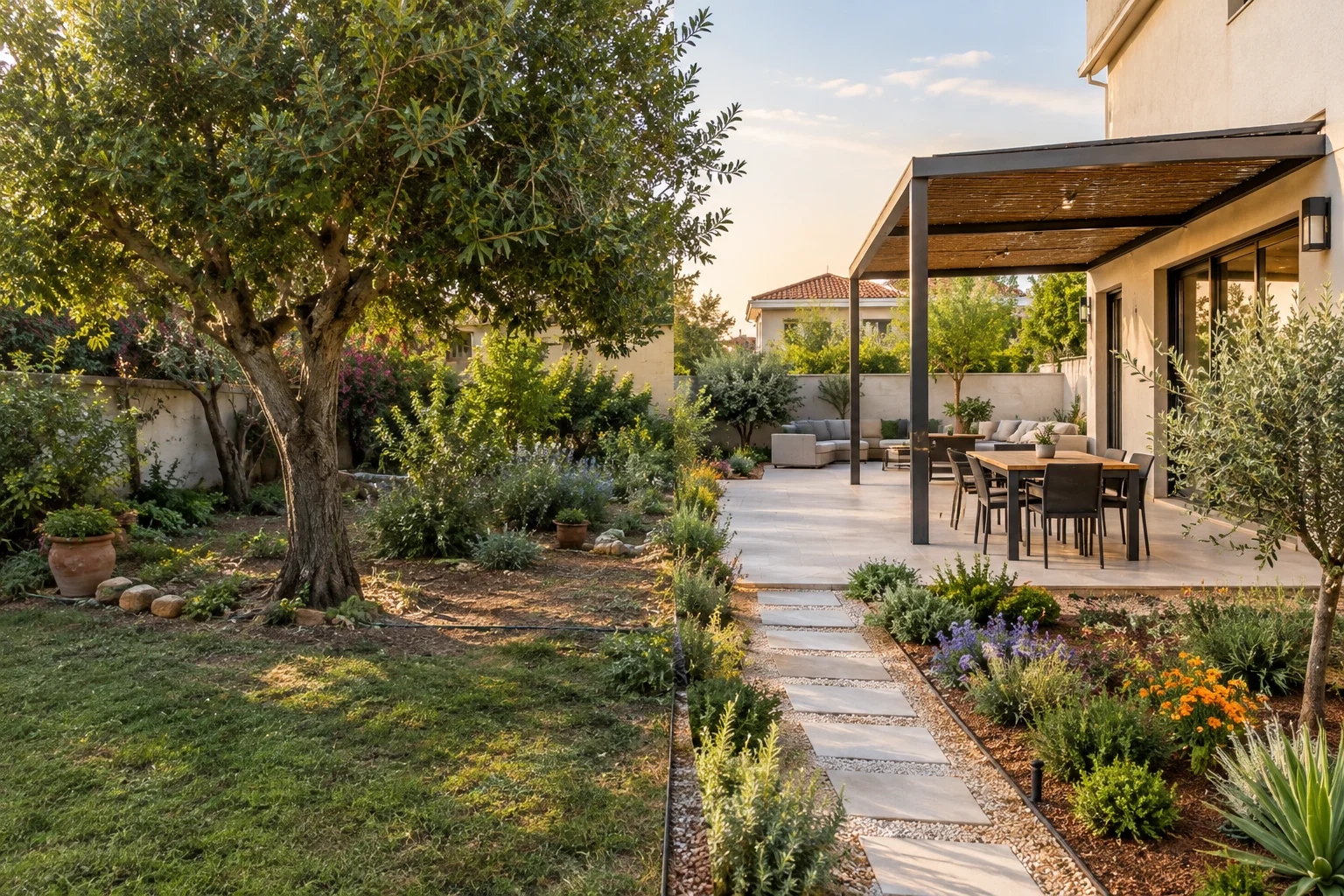
A custom wooden pergola can define a dining area, shelter a lounge space, and give climbing plants a structure to grow on. The dimensions matter. A pergola should cover enough of the table or furniture area to be useful, while allowing airflow and matching the scale of the home.
For smaller spaces, a timber shade feature, a covered bench, or carefully placed trees may be enough. The trade-off is maintenance: trees offer living shade and softness, but need pruning and time to mature. Built shade is immediate, but should be made from durable materials and constructed to handle sun, wind, and regular use.
5. Replace patchy ground with a durable surface
Bare soil quickly becomes dusty in summer, muddy after rain, and an easy home for weeds. One of the most practical neglected garden makeover ideas is to improve the ground surface before adding decorative details.
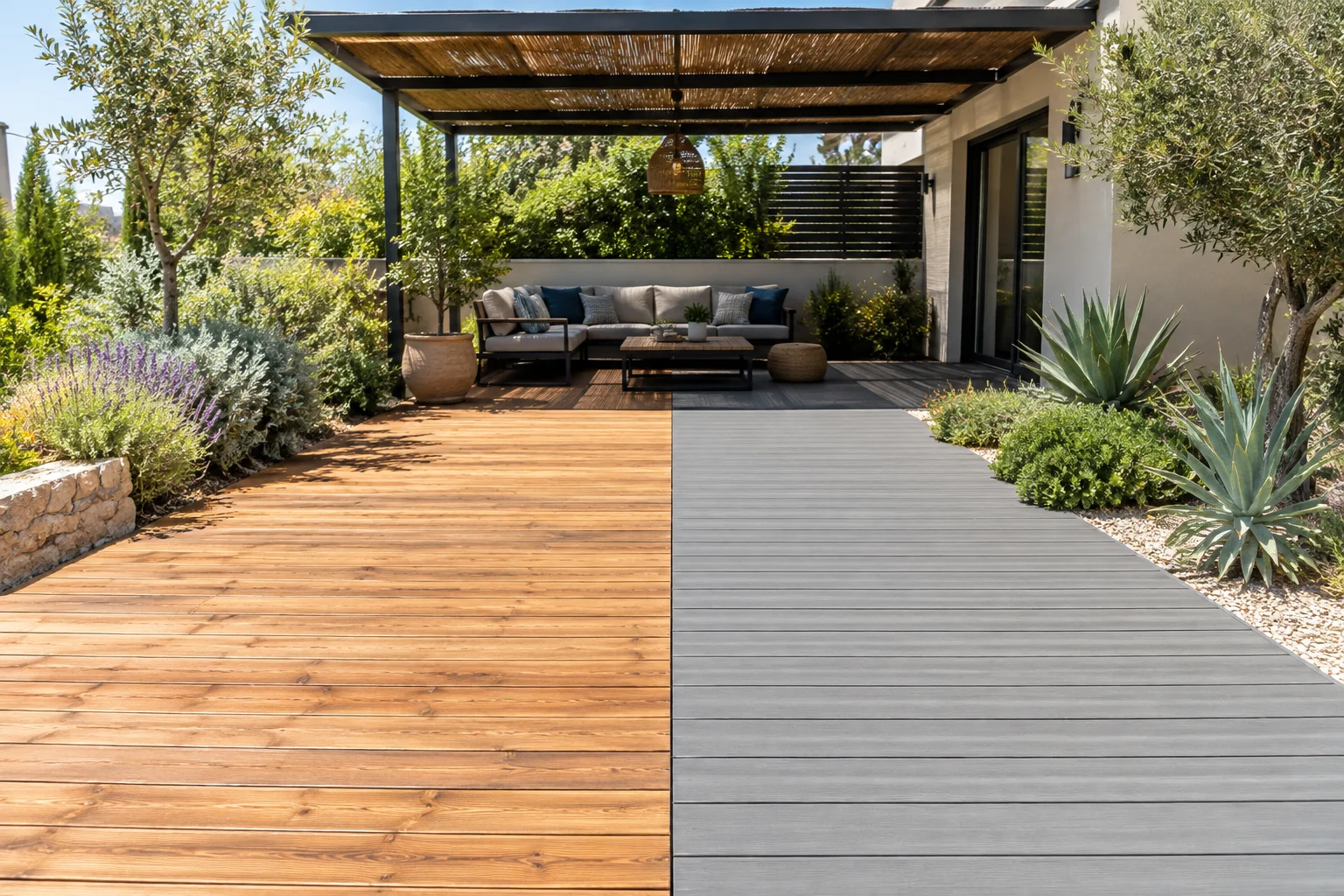
A wooden deck can create a warm, level platform for entertaining, while paving offers a low-maintenance route between the entrance, seating area, and garden gate. Gravel can work well in decorative areas or along narrow side passages, especially when installed with proper edging and weed control beneath it.
The right material depends on how the garden will be used. Families who host meals outside may benefit from a larger deck or paved terrace. A garden focused on planting may need only a small path that keeps shoes clean and protects soil from compaction.
6. Use planting in layers, not scattered pots
A few random plants can make a cleaned-up garden feel unfinished. Layered planting brings shape, color, and depth without making the space difficult to maintain.
Start with reliable structure: small trees, established shrubs, or a focal point such as an olive tree. Add medium-height flowering plants around them, then use lower plants or ground cover near borders and paths. Repeating a limited selection of plants usually looks more intentional than choosing many unrelated varieties.
Sun exposure is the deciding factor. A plant that performs well beside a shaded pergola may struggle in an open, sun-baked corner. Soil quality, irrigation access, and the time available for maintenance should guide the final selection. A lower-maintenance planting plan is often the smarter choice for homeowners who travel, work long hours, or simply want weekends back.
7. Give old boundaries a new role
Fences and garden walls are often the first things people see and the last things addressed. Yet improving a boundary can make the entire property look more finished.
A custom wood fence can add privacy, hide an unattractive neighboring view, and create a clean backdrop for planting. If the existing fence is structurally sound, it may only need repairs, staining, or a new planting design in front of it. Where privacy is the priority, consider the sightlines from indoor rooms and neighboring homes before deciding on height and placement.
Boundaries can also create useful vertical space. Trellises, climbing plants, and narrow planters bring life to small gardens without taking away room for seating or play.
8. Create a proper place for children to play
Children’s play areas work best when they are part of the garden plan, rather than an afterthought. A custom playhouse, low deck, or defined soft-surface area can keep play equipment organized while still looking at home in the overall design.
Think beyond the first year. Children grow quickly, so an oversized fixed structure may not be the best investment for every family. A flexible open area, shaded by a pergola or tree, can move from play zone to casual seating space as needs change.
Safety matters too. Check for splinters, exposed edges, unstable paving, and thorny plants near play areas. The goal is an outdoor space where children can use their imagination and adults can relax nearby.
9. Add lighting for evenings, not just appearance
Garden lighting changes how long you can enjoy the space. A softly lit path makes movement safer, while lighting near a deck, seating area, or entrance creates a more comfortable atmosphere after sunset.
Keep it focused. Too many bright fixtures can flatten the garden and create glare. Light key steps, changes in level, entrances, and a few standout trees or textured walls. Make sure fixtures are suitable for outdoor conditions and positioned so they do not shine directly into windows.
10. Make maintenance part of the makeover plan
A garden can look completely transformed after installation, but it will not stay that way without care. Plants grow, irrigation parts wear down, weeds return, and palms require regular attention.
Plan for seasonal pruning, leaf removal, weed control, irrigation checks, and cleanup from the beginning. This is especially valuable after a major renovation, when new planting needs close attention during its first seasons. Ongoing maintenance is not separate from good design. It protects the investment and keeps the garden looking like the space you wanted to create.
11. Keep one feature that feels personal
The most memorable gardens usually have a detail that belongs specifically to the family who lives there. It could be a built-in bench sized for weekend meals, a handmade planter, an outdoor storage unit that matches the fence, or a custom wooden playhouse.
Personal features do not have to be expensive or oversized. They simply need to solve a real need while adding character. Custom carpentry is particularly useful when standard products leave awkward gaps, waste space, or do not fit the proportions of the garden.
12. Bring in help when the problems overlap
Some gardens need more than a cleanup crew or a new set of plants. If the work involves drainage concerns, failing irrigation, major pruning, construction, fencing, decking, and planting, coordinating several separate providers can slow the project down.
An integrated approach keeps the design connected to the build and gives one team responsibility for the practical details. Creative Garden Co. can plan the space visually, repair irrigation, build custom wood features, install planting, and provide the regular care that keeps the result looking finished.
A neglected garden does not have to be rebuilt all at once. Begin with the work that improves safety, water use, and daily comfort, then add the features that make the space feel like yours. Each well-made change gives the next one a stronger foundation.