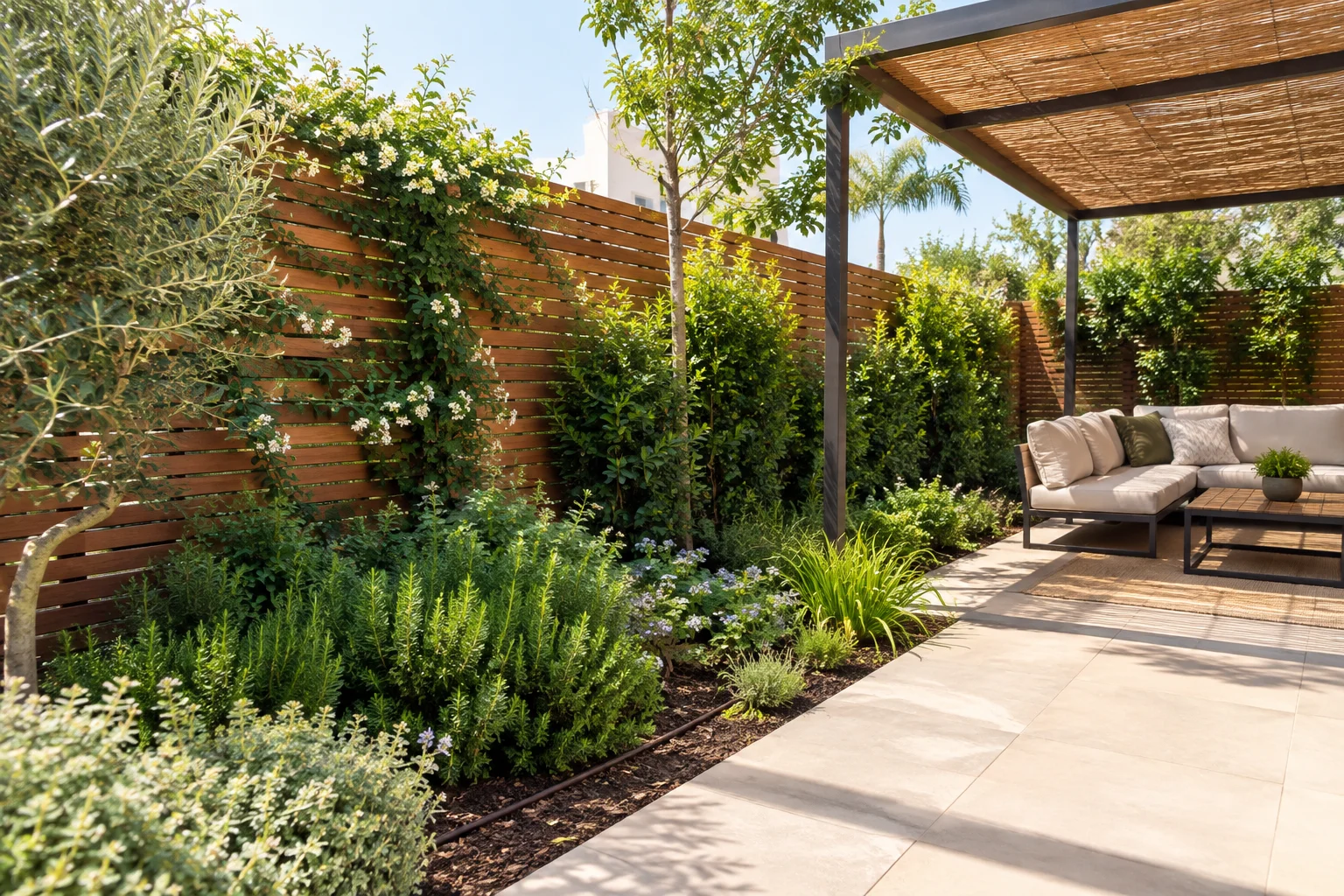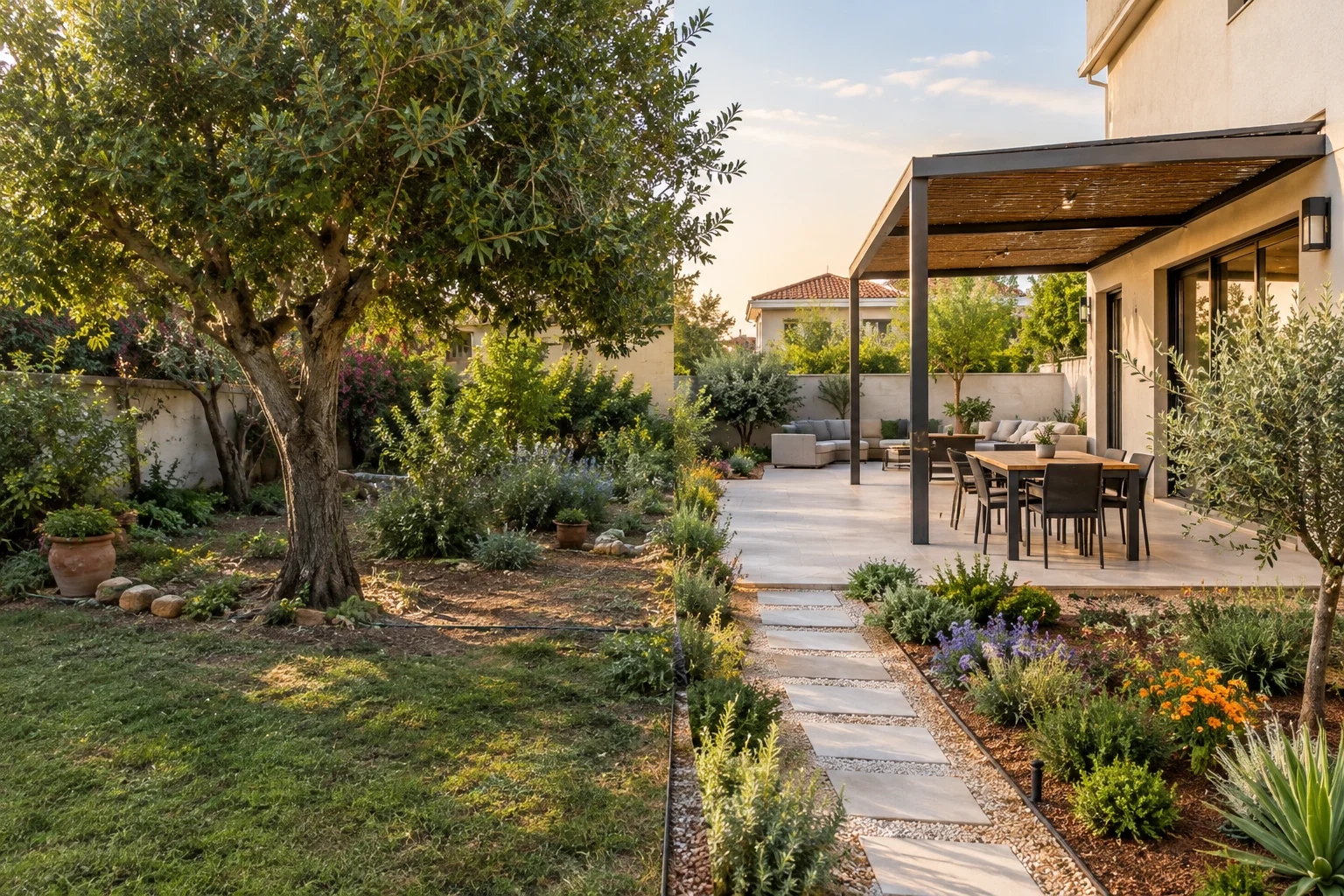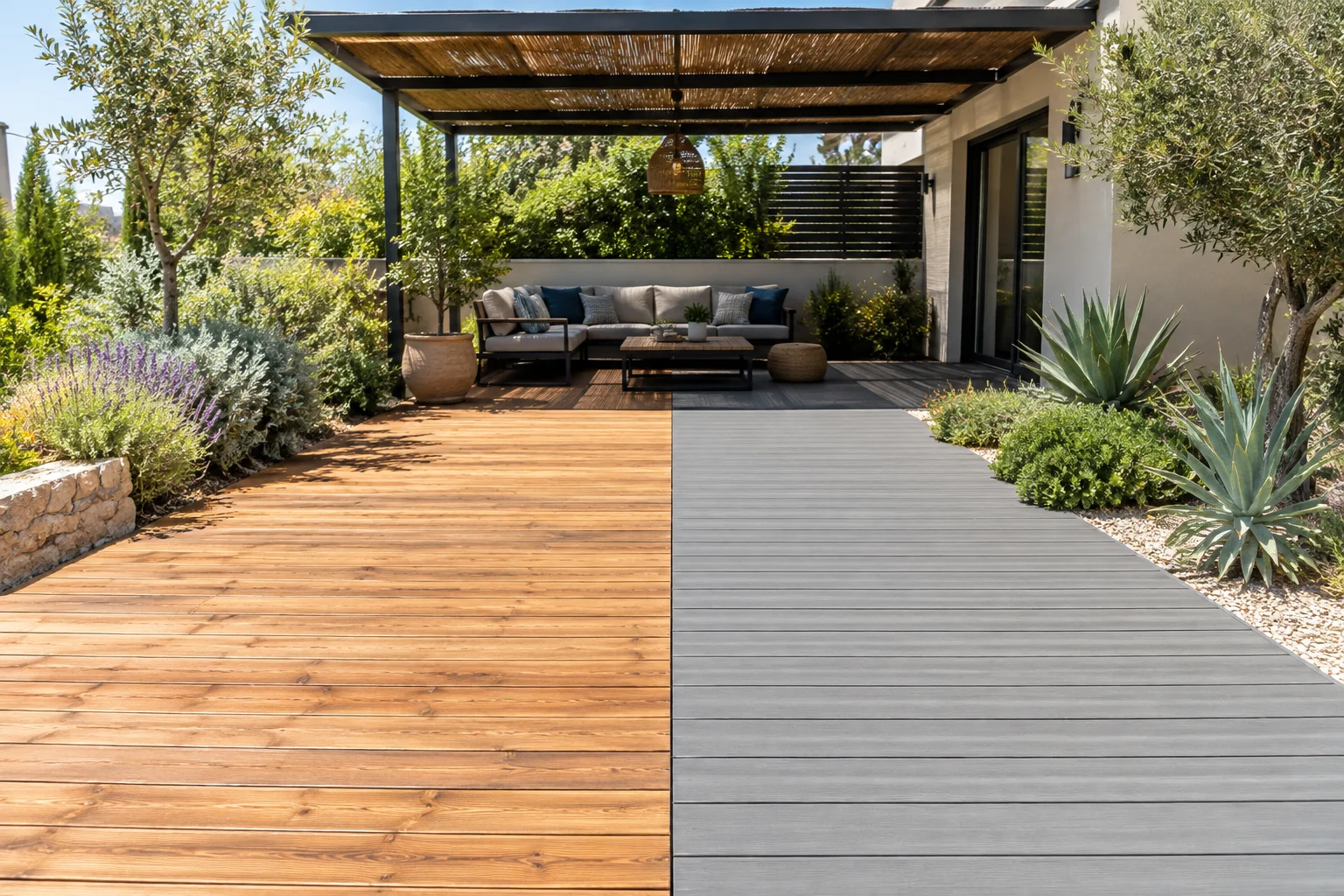
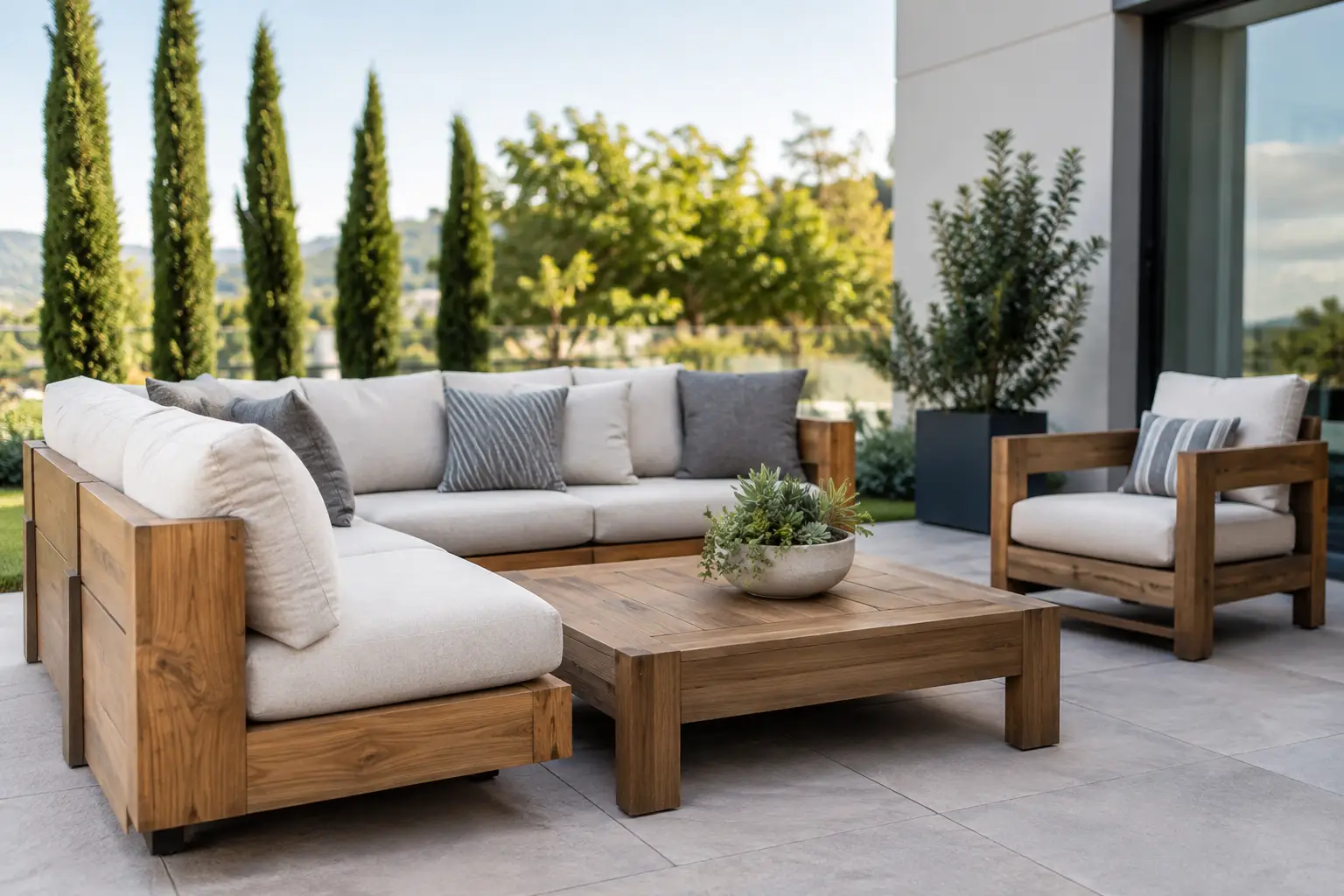
A beautiful garden can still feel unfinished when the seating is too small, the table blocks the walkway, or a store-bought bench does not suit the pergola above it. A custom outdoor furniture maker solves those practical problems by building for the real space, the people who use it, and the weather it needs to handle. The result is not simply furniture placed outdoors. It is a garden that feels easier to live in.
For families in Kiryat Gat, Carmei Gat, Even Shmuel, and nearby communities, custom pieces can make a new garden usable from the first season or give an older outdoor area a clear new purpose. Whether the priority is Friday-night hosting, a quiet coffee corner, storage for children’s toys, or a shaded dining area, the right design begins with how life happens outside.
What a Custom Outdoor Furniture Maker Should Consider
Custom furniture should start with measurement, not a catalog. A built-in bench may look simple, but its depth, backrest angle, seat height, and position in relation to a deck, fence, planting bed, or pergola all affect whether it is genuinely comfortable.
The same is true for dining tables and lounge seating. A table that works for six people needs enough room for chairs to move, people to pass behind them, and doors or garden paths to stay clear. In a compact garden, a made-to-measure corner bench can often provide more seating than separate chairs while keeping the center open for children to play or guests to move around comfortably.
A skilled maker also considers what sits around the furniture. A timber bench may need to align with a retaining edge or deck board direction. A storage unit may need clearance from irrigation pipes. Furniture under a pergola should be planned alongside the posts, shade coverage, lighting, and the likely path of winter rain. When carpentry and garden construction are planned together, these details are handled before they become expensive adjustments.
Start With How You Want to Use the Garden
The best custom outdoor furniture is built around habits, not trends. A family that regularly hosts large meals needs different furniture from a couple looking for two comfortable chairs beneath a mature tree. Neither choice is better. It depends on the space and the way it will be used.
Think through the busiest moments in your garden. Do children need a clear area beside the deck? Is there a barbecue station that needs serving space? Will cushions be brought indoors, or should the furniture include weather-protected storage? Do you want low lounge seating for relaxed evenings, or an upright table that is comfortable for long meals?
These decisions help define the project. A custom built-in sofa may be ideal beneath a pergola, especially when paired with an outdoor dining table made to the same height and finish. In another garden, a freestanding timber table may be the more flexible choice because it can be moved for gatherings or seasonal maintenance.
Visual planning is especially useful at this stage. A simple mood board or render can show how timber tones, cushions, planters, paving, and shade structures will work together. It also helps prevent a common problem: choosing a beautiful piece on its own that feels too heavy, too dark, or too large once installed in the garden.
Choose Materials for Southern Israel Conditions
Outdoor furniture has to withstand strong sun, heat, dust, occasional winter rain, and repeated daily use. Material selection is not only about appearance. It determines the level of maintenance, long-term stability, and how the piece will age.
Wood brings warmth that works naturally with planting, stone, and pergolas. It can be shaped to fit awkward corners and finished in a color that complements existing decking or fencing. But outdoor timber needs proper preparation, quality fixings, and a finish suited to sun exposure. Even durable wood benefits from periodic cleaning and re-oiling or resealing, particularly on horizontal surfaces that receive direct sunlight and rain.
Metal frames can create a lighter visual profile and may suit a more contemporary garden. They are often useful for table bases or details where strength and slim proportions matter. However, metal still needs a suitable protective coating and should be designed to avoid water collecting in corners or inside hollow sections.
Many of the strongest projects combine materials. A timber seat with a metal support frame, for example, can offer a warm look and reliable structure. Stone or porcelain table tops can be practical near an outdoor kitchen, while timber details soften the overall feel. The right combination depends on exposure, budget, and how much regular care the homeowner wants to take on.
Built-In Furniture Creates More Useful Space
Built-in furniture is one of the most effective options for gardens with limited room or challenging levels. It can follow a boundary wall, wrap around a planter, sit against a fence, or turn the edge of a deck into useful seating. Because each section is made for a specific location, there are no wasted gaps and no need to compromise around standard sizes.
It also creates opportunities beyond seating. A bench can include hinged storage for cushions, garden games, or pool items. A low unit can hide irrigation controls while keeping them accessible for repairs. A custom screen can add privacy from a neighboring property without making the garden feel closed in.
There is a trade-off. Built-in furniture is less flexible than movable pieces, so its location must be carefully considered. If the garden layout is likely to change soon, freestanding furniture may be the better fit. But when the layout is established, built-in carpentry can make the entire outdoor area feel more organized and intentional.
The Details That Make Furniture Last
Good outdoor furniture is rarely defined by one dramatic feature. It is defined by the small construction choices that protect it over time. Drainage gaps between timber boards, concealed but accessible fixings, raised feet where appropriate, and smooth rounded edges all contribute to durability and everyday comfort.
Joinery matters as well. Furniture should not rely on a thin screw driven into the end of a board where movement and moisture can weaken it. Strong connections, exterior-rated hardware, and proper support beneath long spans make a difference, particularly on benches used by several people at once.
Finish should be chosen honestly. A natural timber look may slowly develop a softer, weathered tone if it is not regularly maintained. Some homeowners enjoy that character. Others prefer to keep a richer, more consistent color and are happy to schedule periodic care. There is no wrong choice, as long as the expected maintenance is clear from the beginning.
For larger installations, it is wise to consider access for cleaning and garden maintenance. Can leaves be removed from behind the bench? Is there enough room to prune nearby shrubs? Will irrigation reach planting beds without soaking timber surfaces? Planning these practical points protects both the furniture and the garden around it.
Why One Team Makes the Process Easier
Outdoor furniture often connects to other work: decking, pergolas, fencing, paving, lighting, planters, and irrigation. Hiring separate providers can work, but it can also leave the homeowner responsible for coordinating measurements, materials, schedules, and unexpected site changes.
Creative Garden Co. approaches these projects as part of the wider garden, not as an isolated carpentry job. That means the team can measure the site, plan the look, build custom woodwork, coordinate planting and irrigation needs, and provide continuing garden care once the project is complete. A bench is positioned with future pruning in mind. A deck is built with the garden flow in mind. A pergola and dining setting are designed to feel like one space.
Before choosing a maker, ask to see examples of finished outdoor work and discuss how the furniture will be fixed, protected, maintained, and integrated with the surrounding garden. Clear answers now lead to a more dependable result later.
The right custom furniture does more than fill an empty corner. It gives the garden a reason to be used – for meals, conversations, children’s play, and the small quiet moments that make home feel more complete.