A playhouse can quickly become the most-used corner of a garden – a shop, a fort, a quiet reading spot, or the setting for an afternoon of imaginative play. Choosing the right outdoor playhouse builder matters because this is not simply a small wooden structure. It needs to suit your children, fit the available space, handle sun and winter rain, and feel like a natural part of the garden for years to come.
A ready-made playhouse can work for some families, especially where space and budget are limited. But a custom-built option gives you control over the dimensions, layout, finish, and practical details that make a real difference. For homeowners in Kiryat Gat and surrounding communities, it also means working with a team that can assess the garden itself rather than trying to make a standard kit fit an awkward corner.
What a Good Outdoor Playhouse Builder Plans First
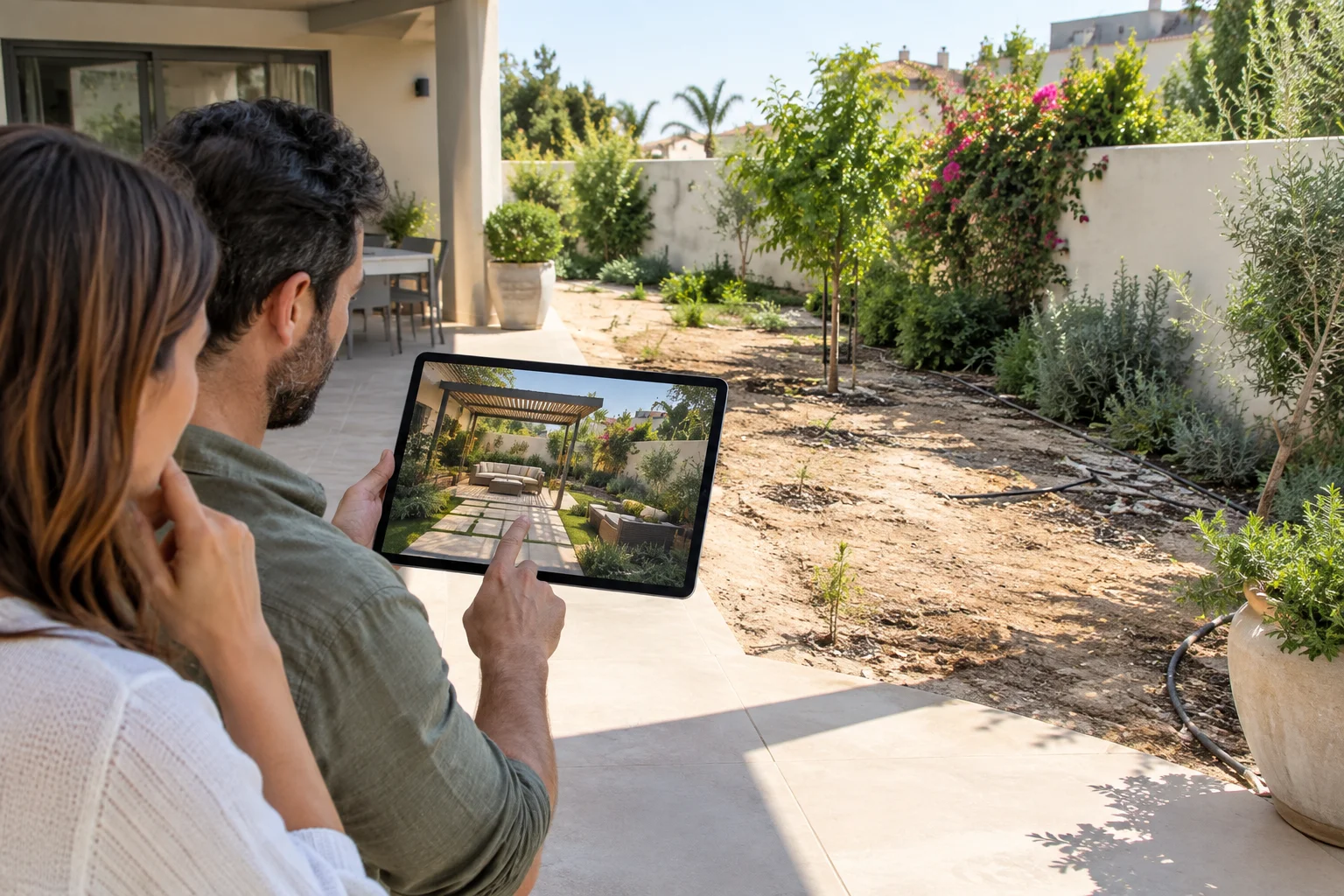
The best playhouse projects begin before the first piece of wood is cut. A builder should look at the garden as a whole: where children already play, where adults sit, which areas receive the strongest afternoon sun, and how people move from the house to the garden.
Placement affects everything. A playhouse tucked behind a storage area may feel separated from the family space, while one placed too close to a patio can block views or make entertaining feel crowded. Often, the right location is visible from the house or seating area without taking over the entire garden.
Ground conditions also need attention. A level, stable base protects the structure and helps doors and shutters continue to work properly. If the garden has irrigation lines, planting beds, decking, or a change in levels, these should be considered early. Moving an irrigation pipe or preparing a proper foundation is far simpler before construction than after the playhouse is installed.
Start With How Your Children Will Use It
A beautiful playhouse is only successful if children want to use it. Younger children may love low windows, a small porch, a pretend kitchen, and easy access. Older children often prefer a more enclosed hideout, a loft-style interior, a reading bench, or a little desk for crafts and games.
It helps to think ahead. A very small structure may be perfect for a toddler but feel cramped within two years. On the other hand, building too large can take valuable room away from lawn, planting, outdoor dining, or space to run. It depends on the size of your garden, the age range of your children, and whether the playhouse will be used by one child, siblings, or visiting friends.
A custom design can include practical features without making the structure overly complicated. A shaded front porch, opening windows, child-safe steps, built-in seating, storage benches, and a small deck can make play more comfortable while reducing the number of loose toys scattered through the garden.
Safety Is Part of the Design, Not an Add-On
Children notice the color of the door and the fun of climbing inside. Parents notice whether the structure feels solid. Both matter.
A well-built outdoor playhouse should have smooth, sanded surfaces; secure fasteners; stable flooring; and doors and windows that are easy for small hands to use without pinching. Any raised platform, ladder, or balcony needs extra care. Railings, step heights, and spacing should be designed for the children who will actually use the playhouse, not copied from a photo online.
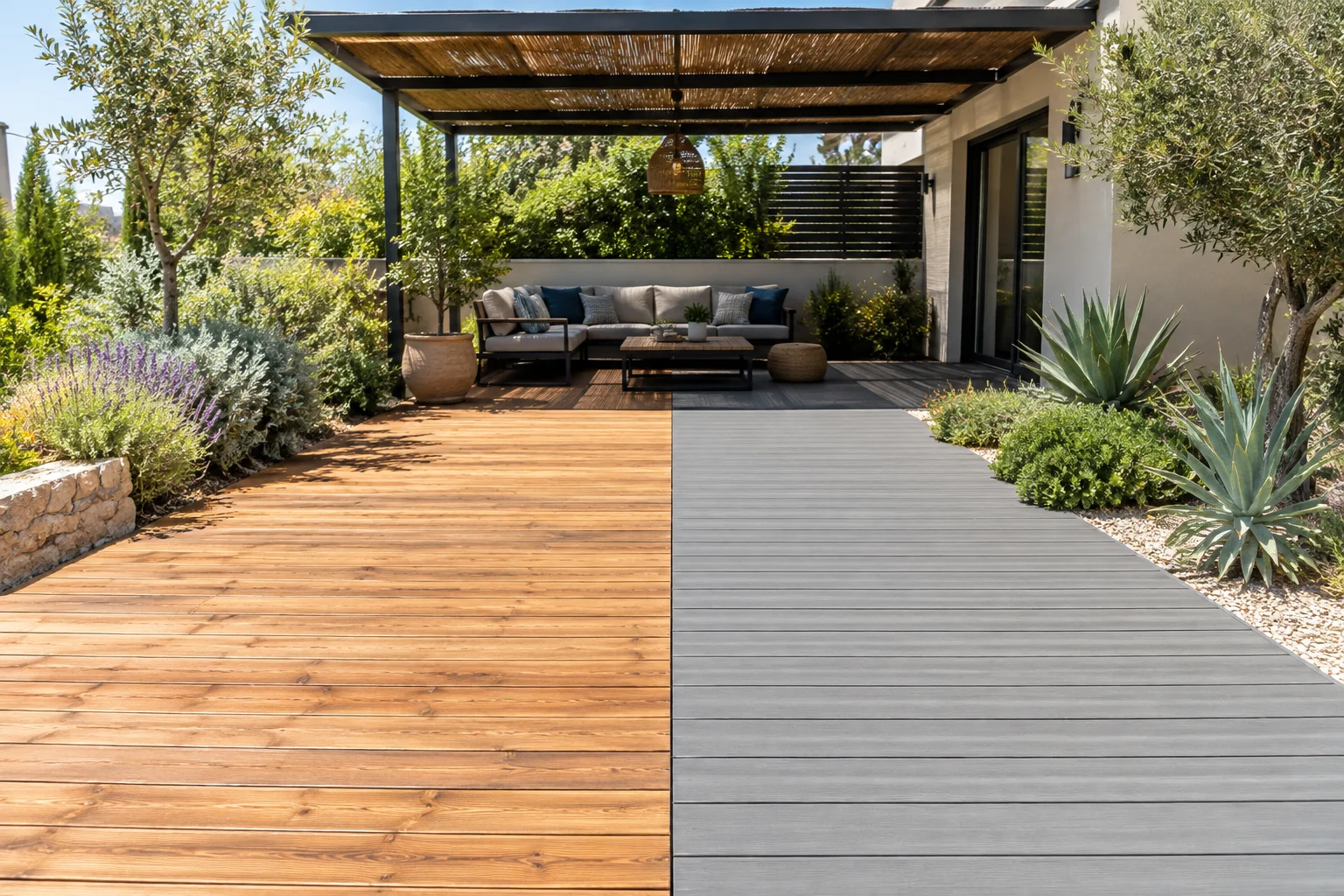
The material choice matters, too. Quality wood creates a warm, natural look and can be made to suit almost any garden style, but it needs the right treatment and finish for outdoor exposure. Southern Israel brings intense sun for much of the year, and winter moisture can still affect unprotected timber. Durable outdoor construction means considering ventilation, water runoff, roof coverage, and protective finishes from the start.
An outdoor playhouse builder should also avoid creating hidden maintenance problems. A flat roof that collects water, untreated cut edges, or a base sitting directly on damp soil may look fine at installation but can shorten the life of the structure. Good craftsmanship is often visible in these less glamorous details.
Custom Design Makes the Garden Feel Complete
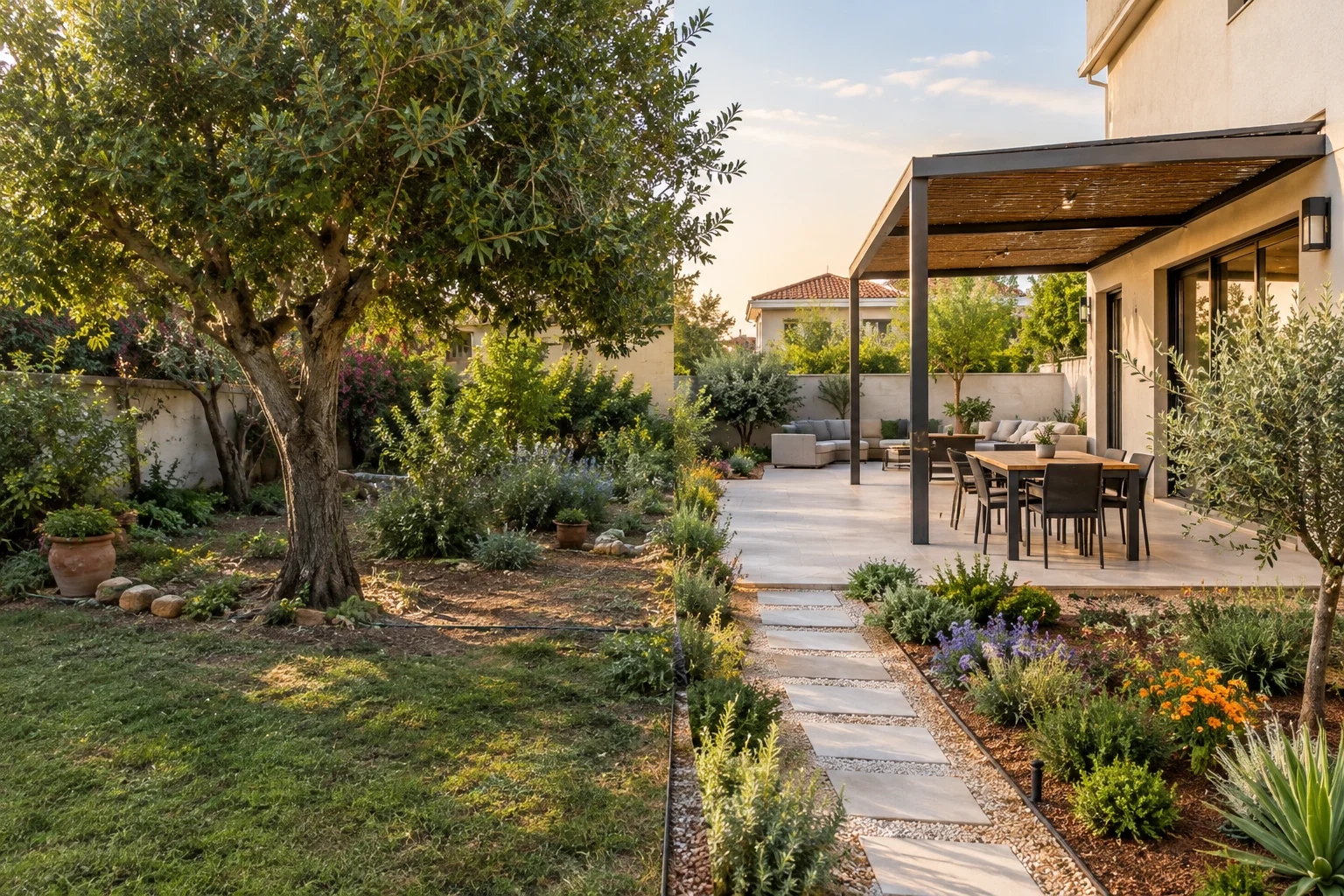
A playhouse does not need to look like an unrelated object dropped into the garden. It can complement an existing pergola, deck, fence, or outdoor furniture through matching wood tones, roof lines, and simple design details.
For a modern garden, clean lines, a neutral finish, and large openings may suit the space. In a softer, more planted garden, a cottage-style playhouse with shutters, window boxes, and a compact front deck can feel more at home. The goal is not to make the playhouse overly decorative. It is to create something children love while keeping the entire garden polished and practical.
This is where a builder with landscaping experience adds real value. The playhouse can be planned alongside planting, pathways, shade, lighting, and seating rather than treated as a separate project. A small path of stepping stones can make the entrance feel special. Low-maintenance planting can soften the edges. Shade from a nearby pergola or carefully selected tree can improve comfort in warmer months.
Creative Garden Co. approaches these projects as part of the full outdoor space, combining custom carpentry with garden design, construction, planting, irrigation work, and ongoing care. That joined-up approach helps prevent common problems, such as building a playhouse where a future deck, seating area, or planting plan should have gone.
Questions to Ask Before You Choose a Builder
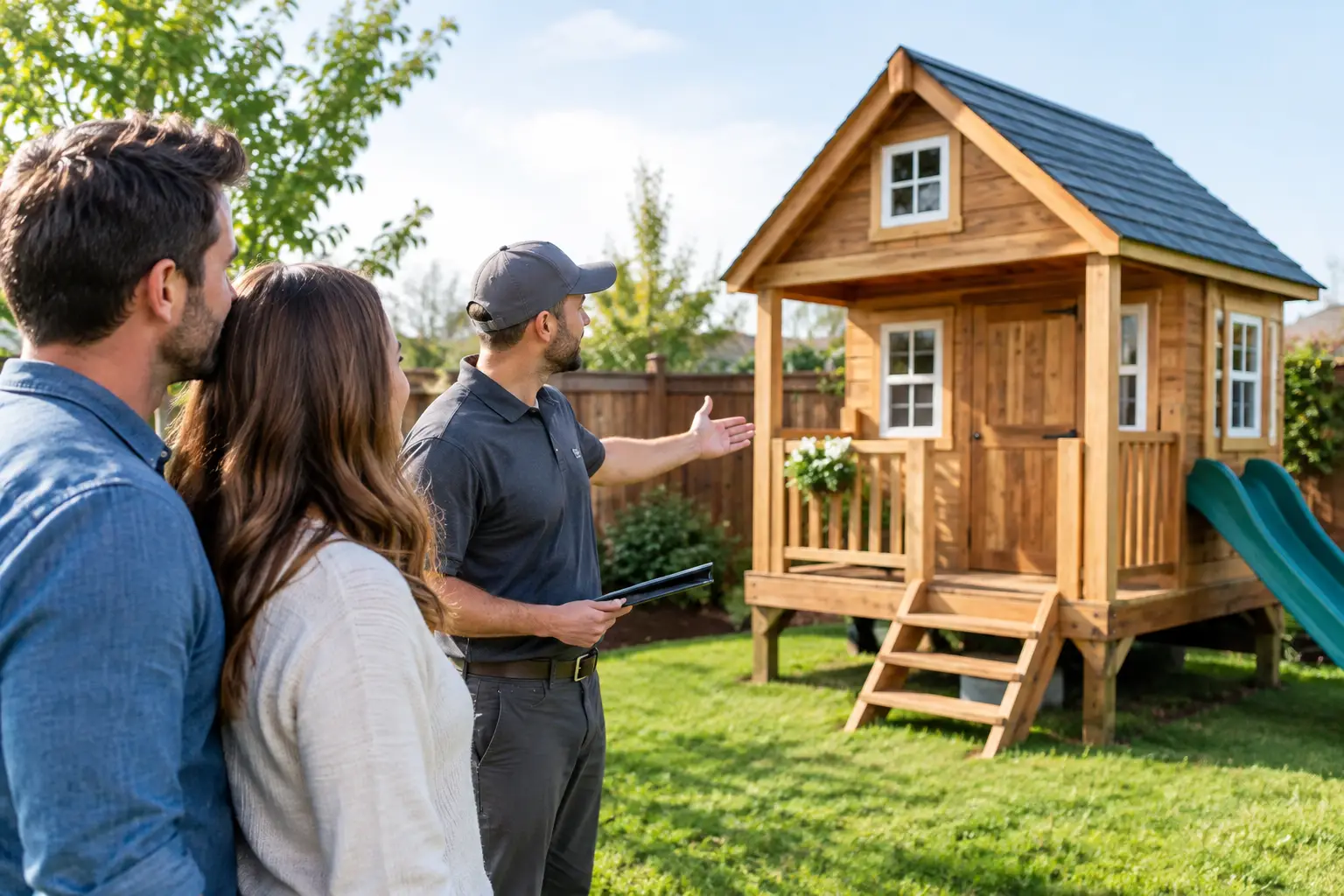
Before committing to a design, ask to see examples of completed woodwork and garden transformations. Photos are useful, but the conversation around them matters just as much. A reliable builder should be comfortable discussing materials, base preparation, finishes, drainage, expected maintenance, and how the playhouse will be fixed safely in place.
Ask whether the dimensions will be tailored to your garden. Standard sizes can be efficient, but a few centimeters can make a big difference beside a fence, deck, tree, or planting bed. You should also ask how access to the site will work. A fully assembled unit may not fit through a side entrance, while building on site can be the better solution for enclosed gardens.
It is also reasonable to ask what is included in the price. Does it cover design, site preparation, roofing, paint or stain, installation, and cleanup? Are optional features such as a porch, shutters, interior shelves, or storage included? Clear answers make it easier to compare proposals fairly and avoid surprises later.
Build for Easy Care, Not Constant Repairs
Even a durable wooden playhouse needs occasional attention. The amount depends on its exposure, finish, and construction, but regular care is usually simple: checking for loose fittings, keeping leaves away from the base, clearing roof debris, and refreshing protective coatings when needed.
The surrounding garden should support easy maintenance, too. Avoid placing dense shrubs directly against the walls, where they can trap moisture and make painting difficult. Make sure irrigation sprinklers do not constantly soak the timber. If the playhouse is near a lawn, garden border, or trees, a maintenance plan can keep the area tidy and safe without disrupting children’s play.
A properly planned playhouse is more than a children’s feature. It gives the garden a sense of purpose, encourages outdoor time, and creates a space that holds real family memories. Choose a builder who listens carefully, measures accurately, and understands that the smallest details are what turn a wooden structure into a place your children will claim as their own.