A fence is often the first thing people notice about a garden, but its real value is felt every day. The right custom garden fence design can create privacy from neighboring homes, make a play area feel safer, frame a seating corner, hide a service area, or give a new garden a finished look from the start. The wrong one can block a welcome breeze, make a compact space feel closed in, or demand more upkeep than expected.
For homes in Kiryat Gat, Carmei Gat, Even Shmuel, and nearby communities, a fence needs to do more than look good on installation day. It has to suit the garden’s dimensions, the family’s routines, strong sun, seasonal weather, and the materials already used around the home. That is why a made-to-measure approach is usually worth far more than choosing a standard panel and hoping it fits.
Start With What the Fence Needs to Do
Before choosing timber, color, or a decorative pattern, define the job the fence must perform. A boundary fence has different requirements from a screen around an outdoor dining area. A low divider for a front garden needs a friendlier appearance than a tall privacy fence between neighboring properties.
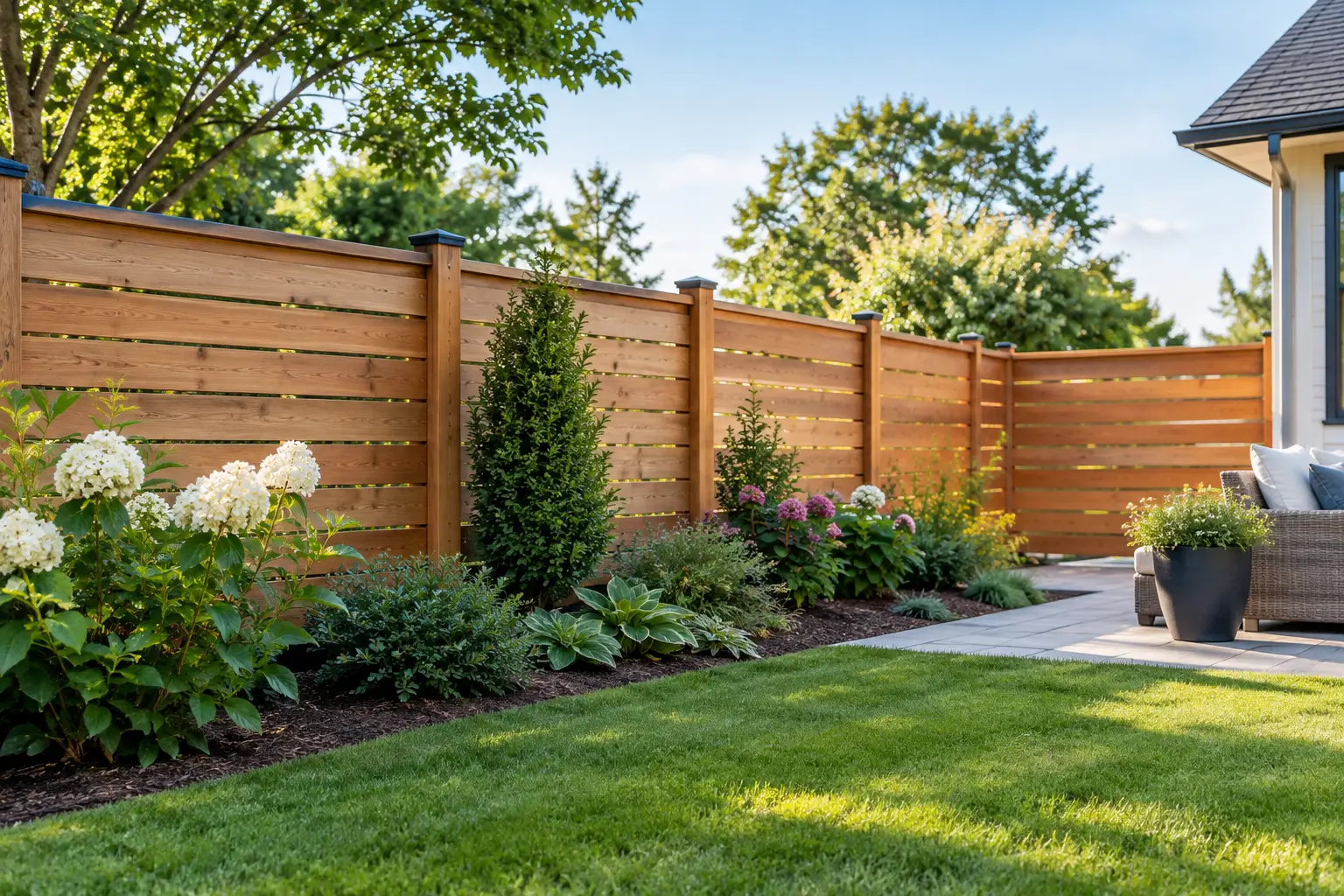
Privacy is often the main request, particularly in closely built neighborhoods. Full-height solid boards offer the most screening, but they also reduce air movement and can cast a heavier shadow on nearby plants. A slatted design can be a better balance: it limits direct views while allowing light and breeze to pass through. The spacing, board direction, and viewing angle all affect how private it feels.
Safety matters just as much for families with young children or pets. Gates should close reliably, latches should be placed thoughtfully, and gaps should not be wide enough for a small child or pet to slip through. If the fence borders a change in level, a driveway, or a pool area, its height and construction deserve extra attention. This is not a place for decorative decisions alone.
Sometimes the goal is simply to organize an unfinished garden. A well-placed timber screen can separate bins, irrigation equipment, or a storage corner from the entertaining area without creating a hard visual barrier across the whole space. Small changes like this can make a garden feel calmer and more intentional.
Custom Garden Fence Design Begins With the Site
A good fence is designed around the site, not around a catalog image. Measuring the boundary is only the beginning. Ground levels, existing walls, mature trees, drainage routes, gates, utility access, and irrigation lines all affect the final plan.
Sloping ground is a common example. A fence that follows every rise and dip can look untidy, while a perfectly level fence may leave awkward gaps beneath it. Depending on the layout, the best solution may be stepped sections, shaped bottom rails, or small retaining adjustments before construction begins. Each option changes the visual result, cost, and long-term maintenance needs.
Sun direction should also guide the design. A dark, solid fence can create welcome shade beside a seating area, but it may not suit a narrow planting bed that needs several hours of light. Climbing plants can soften a fence beautifully, yet they need room for roots, support for growth, and access for pruning. Planning these details early prevents a fence from becoming an obstacle to the garden you want to build around it.
For a new home, it helps to consider the whole outdoor layout before the fence goes in. Decking, pergolas, planting beds, pathways, outdoor furniture, and play areas should feel connected rather than added one after another. Visual planning and renders can make it easier to compare fence heights, materials, and placement before any wood is cut.
Think About Views in Both Directions
The side facing your garden deserves the most attention because you will see it every day. Still, the outside face matters too. A fence that looks finished and well-built from both sides is more considerate of neighbors and more likely to age well visually.
This does not always mean both sides must be identical. One face might include a clean horizontal slat pattern, while the other is designed to suit a boundary condition or existing wall. The key is purposeful construction, with straight lines, properly finished edges, and posts positioned to support the structure without taking over the design.
Choosing Materials for Appearance and Durability
Wood remains a popular choice because it brings warmth to stone, paving, and planted spaces. It can be built in custom widths and heights, shaped around existing features, and matched to a pergola, deck, bench, or outdoor storage piece. Natural wood also works especially well in gardens that need softness rather than more masonry or metal.
However, wood needs the right construction and ongoing care. Quality timber, suitable protective finishes, secure footings, and good drainage at the base all influence how it performs. A fence that sits too close to wet soil or receives no protective treatment may weather faster than expected. In hot, sunny conditions, regular inspection and maintenance help preserve both its appearance and structural condition.
Metal can offer a cleaner, more contemporary line and may be a practical choice for security or long spans. It is often combined with timber to add warmth without losing strength. Masonry walls provide excellent privacy and permanence, although they are usually less flexible to alter later and can make a small garden feel enclosed if not balanced with planting or open sections.
There is no universally best material. A family wanting a warm, sheltered garden for hosting may choose timber screens beside a pergola. A property with a modern facade and limited space might prefer a slim metal frame with carefully spaced slats. The right choice depends on the look of the home, expected maintenance, budget, and how the garden is used throughout the week.
Details That Make a Fence Feel Built for Your Garden
Custom work becomes most visible in the details. Board direction alone can change the character of a garden. Horizontal boards often make a space appear wider, while vertical boards can add height and a more classic rhythm. Narrow slats feel light and refined; wider boards create a bolder, more private surface.
A gate should be treated as part of the design, not an afterthought. It may need space for a stroller, garden equipment, bins, or maintenance access. Its swing direction should be comfortable and safe, and its hardware should be durable enough for daily use. If a gate is visible from the home or outdoor seating area, matching it to the fence creates a much more polished result.
Lighting, planters, and built-in seating can also be incorporated without crowding the space. A low fence can become a backdrop for planting. A taller screen can support subtle outdoor lighting. A narrow gap at the base may help with drainage, but it should be balanced against privacy, pet safety, and the need to keep debris from collecting behind the fence.
Color is another practical decision. Natural timber tones can blend easily with greenery, while darker stains create contrast and make foliage stand out. Light finishes may feel fresh in a compact garden but can show dust and weathering more readily. Instead of choosing a color in isolation, compare it with the home’s exterior finishes, paving, decking, and pergola structure.
Plan for Maintenance Before Installation
A beautiful fence should not add a difficult new chore to an already busy household. Design access for cleaning, staining, repairs, and pruning from the beginning. If a fence sits behind dense planting, leave enough room to reach both plants and timber. If irrigation runs nearby, make sure pipes and controls remain accessible.
Maintenance needs vary by material and exposure. Wood may need periodic cleaning and refinishing. Plants climbing on a screen need trimming so they do not trap moisture or pull on sections of the fence. Posts, gates, and hardware should be checked from time to time, especially after seasonal weather changes.
This is where one accountable outdoor team can make a real difference. Creative Garden Co. can coordinate the fence with garden design, irrigation work, planting, decking, and ongoing maintenance, so the finished space works as one complete garden rather than a collection of separate projects.
The best fence does not merely mark a boundary. It gives your garden a sense of comfort, order, and possibility – a private place for morning coffee, children’s play, quiet planting, and evenings with the people you invite in.