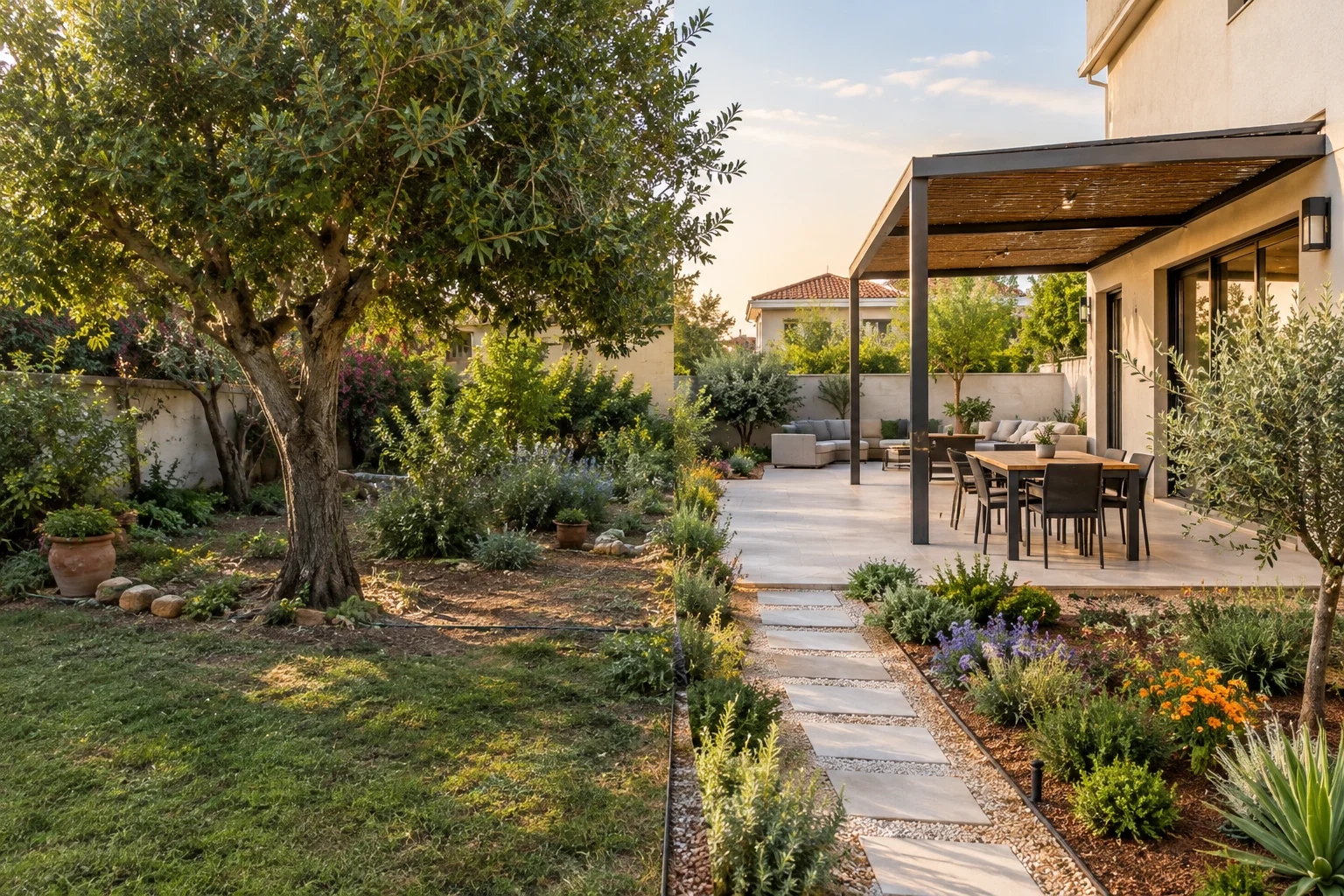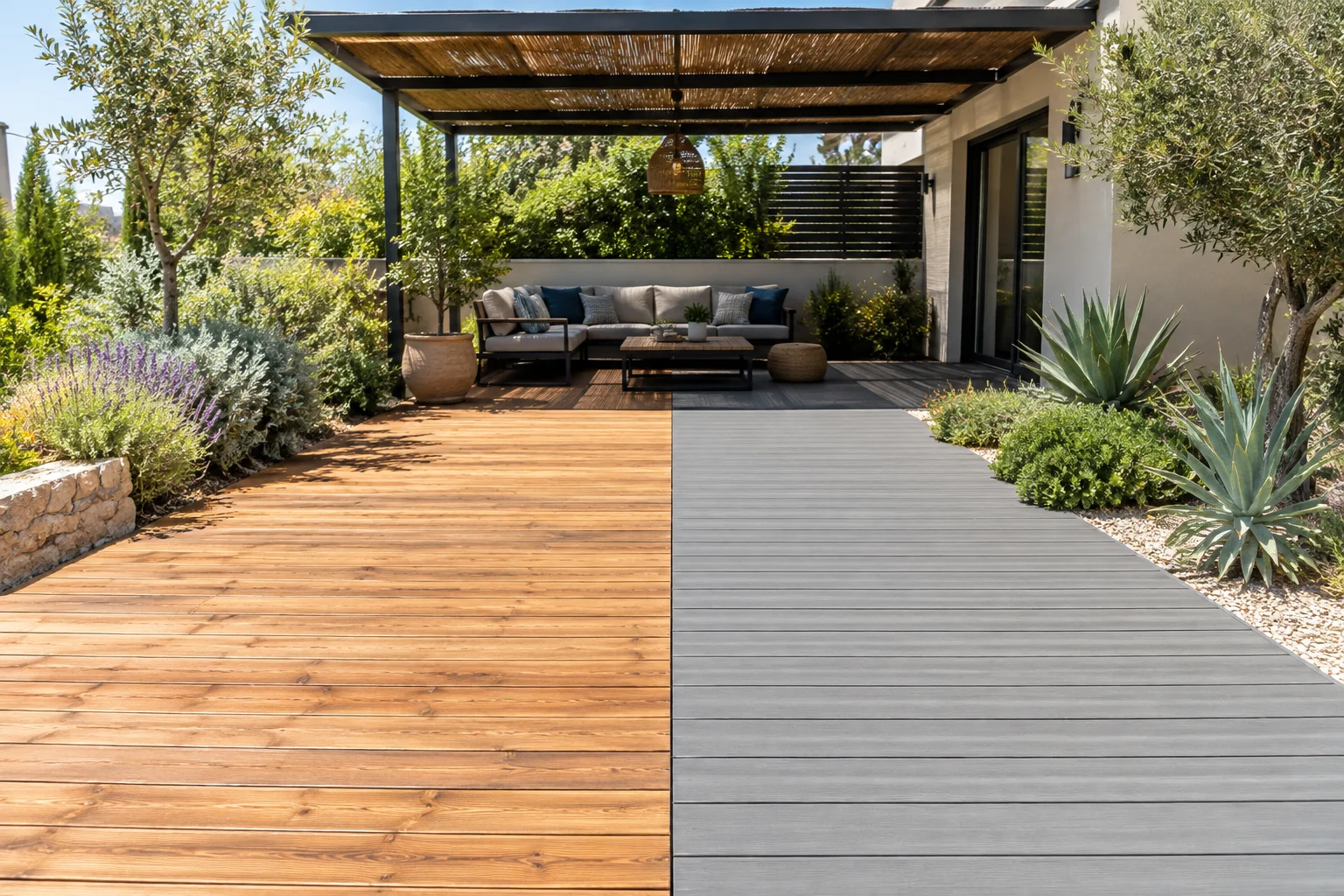
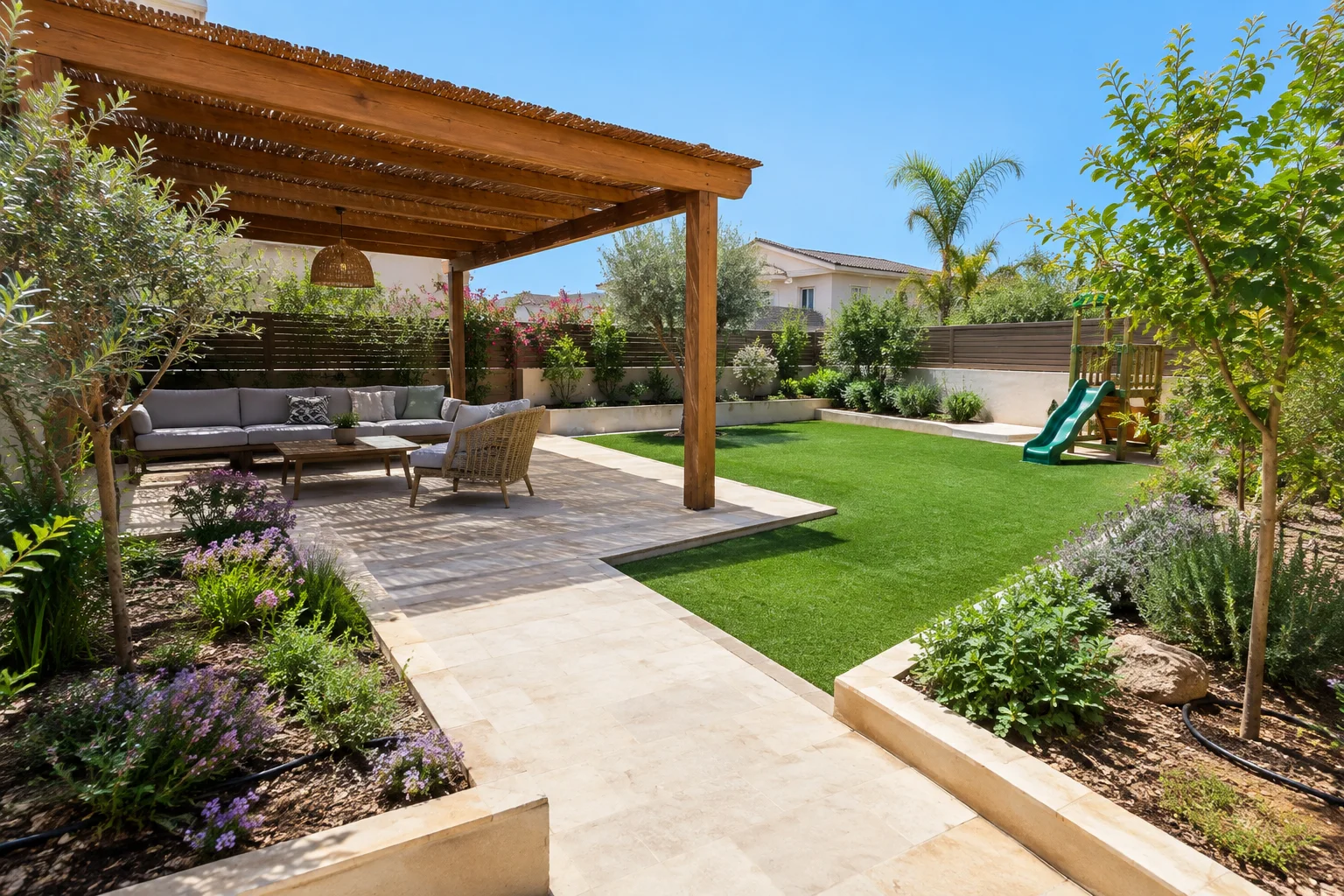
The garden renovation cost Kiryat Gat homeowners should expect depends more on the scope than on garden size alone. Refreshing planting and irrigation differs greatly from clearing a yard, correcting levels, building shade and adding usable surfaces. Therefore, set a realistic budget by deciding what must work first. Then choose features that make the garden enjoyable each day.
Strong sun, heat and dry periods also shape the right choices in Southern Israel. A garden needs practical shade, efficient watering and materials that suit outdoor exposure. Good planning protects the finished result. It also helps you avoid paying to change work later.
What affects garden renovation cost in Kiryat Gat?
Every property starts from a different point. An unfinished new-build garden may need a full layout and new infrastructure. Meanwhile, an older garden may have mature plants worth keeping. However, it may also have damaged irrigation, uneven surfaces or overcrowded growth.
When you compare quotes or set a budget, divide the project into clear work areas. This approach shows what each decision involves. It also shows where a change in scope may affect the overall investment.
Clearance, removal and site access
Garden clearance often comes before the visible transformation. It may involve weeds, dead planting, unwanted shrubs, old lawn, broken edging, loose materials and waste. Dense or neglected gardens need more work. Teams must clear the space carefully before they inspect the ground and existing services.
Access matters too. For example, a narrow side passage may force teams to move materials and waste by hand. Existing trees, walls, utility covers and retained features can also shape the work plan.
Ground preparation, levels and drainage
Groundwork may not look glamorous, yet it strongly affects performance. A stable base supports paving, decking and synthetic grass. In addition, finished levels must work with door thresholds, paths, planting beds and access covers.
Address water that gathers near the house before you install attractive surfaces. Do the same if the garden slopes awkwardly. Otherwise, later corrections can disrupt the completed garden. Ask what preparation sits beneath every proposed surface, not just what you will see at the end.
Irrigation and outdoor services
A reliable irrigation layout is essential for planting in the Kiryat Gat climate. It should meet the needs of different areas. For instance, established trees, new shrubs, pots and lawn may need separate zones or watering methods.
Renovation also offers a good time to inspect old pipes, leaks, sprinkler coverage and controller placement. If you are weighing watering methods, our guide to drip irrigation versus sprinklers in Southern Israel explains where each approach can work best.
Hard landscaping and construction
Patios, paths, stone borders, raised planters, fences, decks and pergolas often form a major part of the budget. Costs change with the area, materials, site preparation, detailing and design complexity.
For example, a straight path on a prepared base is simpler than a curved route with steps and level changes. Similarly, a custom pergola or privacy screen needs decisions about size, foundations and finish. You must also consider how it connects with the wider garden. These choices shape how comfortably you use the space.
Lawn, planting and finishing details
The final layer brings the garden together. Natural lawn and synthetic grass need different installation methods and long-term care. Likewise, planting costs vary with plant size, quantity, soil improvement, bed preparation and screening needs.
Smaller plants can suit a phased planting plan. Larger specimens can create structure straight away. However, choose plants for more than their appearance on installation day. Consider sun exposure, root space, future size and the watering you can realistically provide.
Start your budget with the garden’s real priorities
Before you select colours, furniture or decorative features, list the problems your renovation must solve. This step keeps the garden renovation cost homeowners plan for tied to everyday use. It also prevents a collection of disconnected ideas.
- Is the garden too hot to use in the afternoon?
- Do you need a safe, level area for children, pets or entertaining?
- Are irrigation problems wasting water or damaging plants?
- Does the property need more privacy or clearer boundaries?
- Are paths, thresholds or level changes difficult to use?
- Do you want less maintenance, more planting or a balance of both?
Next, rank each item as essential, important or optional. Essential work often covers clearance, ground preparation, drainage, irrigation repairs and access. Important work may cover shade, seating and privacy. Meanwhile, optional items can include decorative planting, feature lighting or additions for a later phase.
A sensible order for a garden renovation
Good sequencing protects your budget and the finished garden. It is frustrating to install lawn or planting, then disturb it for pipes, fences or level corrections. Instead, plan the work from the ground up.
- Assess the site: Measure the garden, note sun patterns, identify access, inspect irrigation and decide what stays.
- Create the layout: Plan seating, circulation, play, planting, storage and shade before choosing finishes.
- Complete preparation: Clear unwanted material, resolve level issues and prepare bases for surfaces or construction.
- Install infrastructure: Add irrigation, needed drainage solutions and planned service routes before covering them.
- Build hard landscaping: Install patios, paths, fences, pergolas, decks, borders and raised elements.
- Finish with soft landscaping: Prepare soil, plant, add lawn or synthetic grass, test irrigation and complete details.
This order does not require you to complete every renovation at once. However, it gives each phase a clear foundation. Homeowners with a blank or recently completed property can also read our guide to landscaping for new construction homes.
How to phase garden renovation cost without wasting money
Phasing can help when the full wish list exceeds your available budget. The key is to phase complete parts of the plan. Avoid temporary choices that you must remove later. For instance, install irrigation routes and base preparation now if a patio or lawn will follow next.
A sensible first phase often tackles access, levels, drainage, irrigation and a shaded sitting area. The next stage can add a larger lawn, extra planting, privacy screens, a deck or outdoor furniture. As a result, the garden improves quickly while the overall design stays coherent.
On the other hand, delaying essential preparation can raise the garden renovation cost later. Do not lay a finished surface over unstable ground. Also, avoid extensive planting before you settle access routes and construction.
Understanding the likely garden renovation cost for each phase helps you prioritise work without undermining the final plan. Ask for each phase to include the preparation needed for the next stage.
Where AI visualisation can save costly changes
A plan is easier to assess when you can see it. AI garden design and visualisation in Kiryat Gat can help you explore layout, materials, planting balance and shade before construction starts. It helps most when you must choose between very different options. For example, you may compare a larger paved entertaining area with more planted space.
Visualisation does not replace site measurements, construction decisions or a final agreed scope. However, it can reveal problems early. You may find that a pergola feels too large or that a path blocks access. You may also see that a lawn is too small or a screen creates too much shade. Changes to a concept are usually easier than changes to completed work.
For better results, collect clear photographs, approximate dimensions and details of existing features. Also prepare a short list of priorities. Our checklist on preparing for an AI garden design visualisation explains what to bring to the first discussion.
Questions to ask before accepting a renovation quote
A useful quote makes the proposed scope easy to understand. It need not overwhelm you with technical language. However, it should show what the contractor includes and what assumptions they make. This clarity helps you compare options fairly.
- What clearance, removal and site preparation does the scope include?
- How will the installer prepare each paved, decked or synthetic surface base?
- Which irrigation changes does the quote cover, and which zones will they serve?
- What materials and finishes will the contractor use for visible construction?
- Which plants, lawn areas or planting-bed preparations does the scope cover?
- What does the contractor exclude, list as optional or depend on site conditions?
- Can the team deliver the project in phases without harming later stages?
Most importantly, compare scope rather than only the final figure. A lower total may omit ground preparation, waste removal, irrigation changes or key finishing details. Conversely, a larger initial investment may solve underlying site issues. It may also reduce the need for rework.
Plan for value, comfort and future maintenance
The best renovation does not need every possible feature. Instead, it creates an outdoor area that you will use and can maintain. In Kiryat Gat, shade, water-wise planting, durable surfaces and sensible irrigation often offer more everyday value than decorative additions.
If you are deciding which improvements should come first, read our guide to garden upgrades that add value in Israel. It can help you focus on features that improve comfort, usability and the property’s overall impression.
Creative Garden Co. can assess your site, develop a practical design and visualise the possibilities. We can also plan a renovation around your priorities. Whether you need a full transformation or a phased upgrade, get in touch to discuss your garden and create a clear scope.