The garden upgrades that add value usually make a home easier and more enjoyable to live in. In Israel, this often means reliable shade, usable seating, efficient irrigation, privacy and planting that handles strong sun. As a result, these changes can also appeal to future buyers. The outdoor space feels complete rather than like another project waiting to happen.
However, no single upgrade suits every house. A small new-build garden, an overgrown established plot and a busy family garden need different priorities. Therefore, begin with the features that currently limit how you use the space.
What makes a garden upgrade valuable?
A valuable upgrade does more than look good in a photograph. Instead, it solves a clear problem, supports the household routine and reduces avoidable work. For example, a shaded dining area can turn a hot, unused patio into a place for meals and hosting. Similarly, a well-planned path keeps people out of planting beds and improves movement through the garden.
For resale, buyers often respond well to an outdoor space that looks coherent and manageable. They can picture where to sit, where children might play and how they can maintain the garden. By contrast, costly individual features offer less benefit when the layout, drainage, access or shade lacks proper planning.
The best garden upgrades that add value tend to share a few qualities:
- They create usable space rather than decoration alone.
- Each feature suits the property size and style.
- Good materials handle sun, heat and regular outdoor use.
- Smart layouts make watering and maintenance more straightforward.
- Clear structure, privacy and a finished appearance improve the whole garden.
Garden upgrades that add value: shade and outdoor living
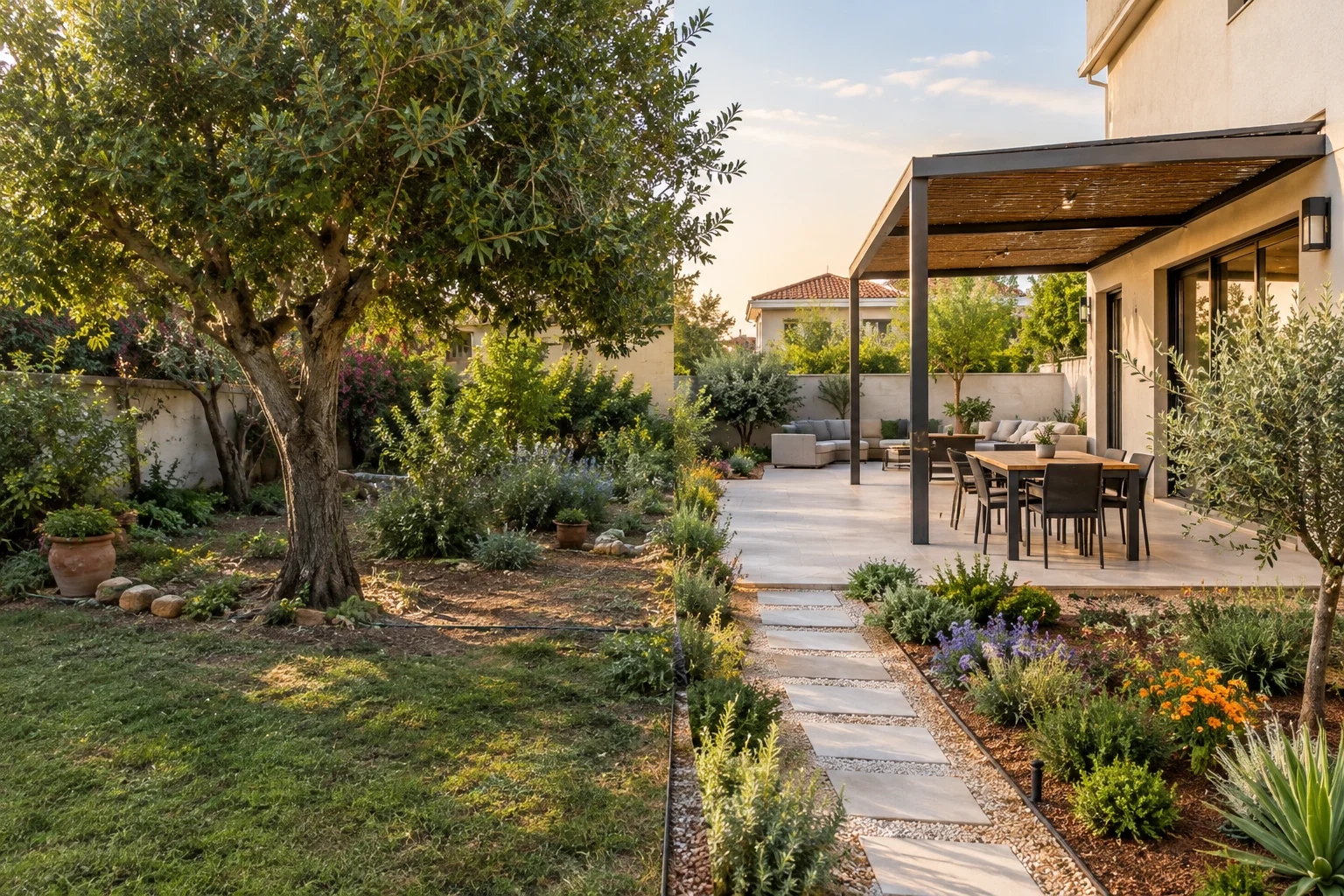
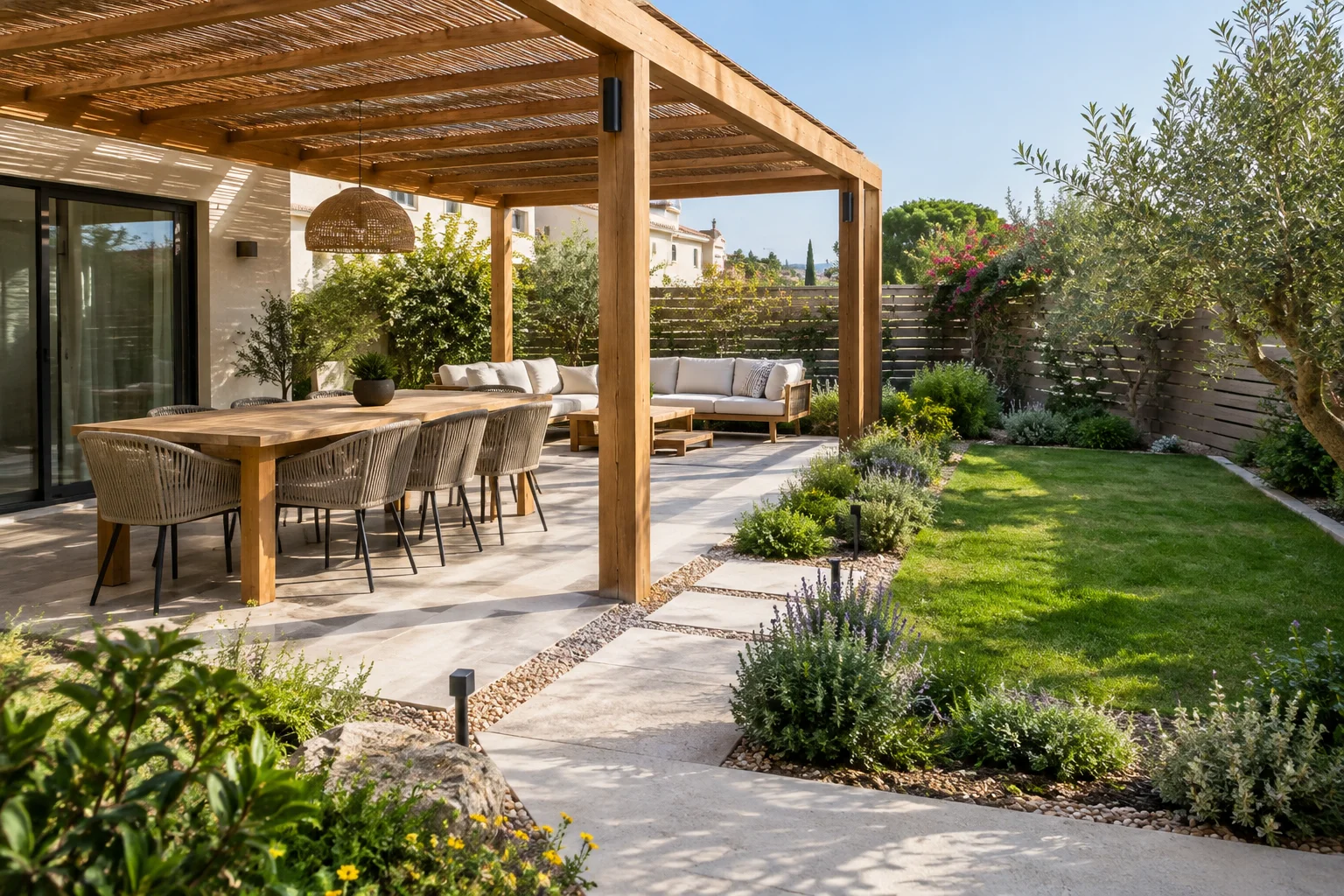
In Southern Israel, shade is often one of the most practical investments a homeowner can make. Without it, even a beautiful garden can feel uncomfortable for much of the day. Therefore, a pergola, covered patio or carefully placed shade solution can extend the time your family spends outside.
Placement matters. First, cover the area you genuinely want to use, such as doors from the house, the outdoor table or a lounge corner. At the same time, avoid blocking a useful route or leaving the main seating area in full sun. The structure should also suit the home’s windows, boundaries and existing levels.
A well-designed pergola can provide shade and give the garden a clear purpose. For further planning advice, see our guide to working with a custom pergola builder in Kiryat Gat. The right option depends on the available space, desired coverage and materials that suit the garden.
Build the space around real use
First, consider what happens outdoors most often. A family that eats outside needs a stable surface with enough room for chairs. Meanwhile, a household that hosts friends may need a wider entertaining space and direct access from the kitchen. A quiet garden, by comparison, may benefit more from a small shaded retreat among planting.
Defined zones make compact gardens feel more intentional. For instance, you can combine a hard-wearing seating area with a lawn or play space, planting borders and a simple route between them. This approach generally adds more practical value than filling the garden with unrelated features.
Install durable, low-maintenance surfaces
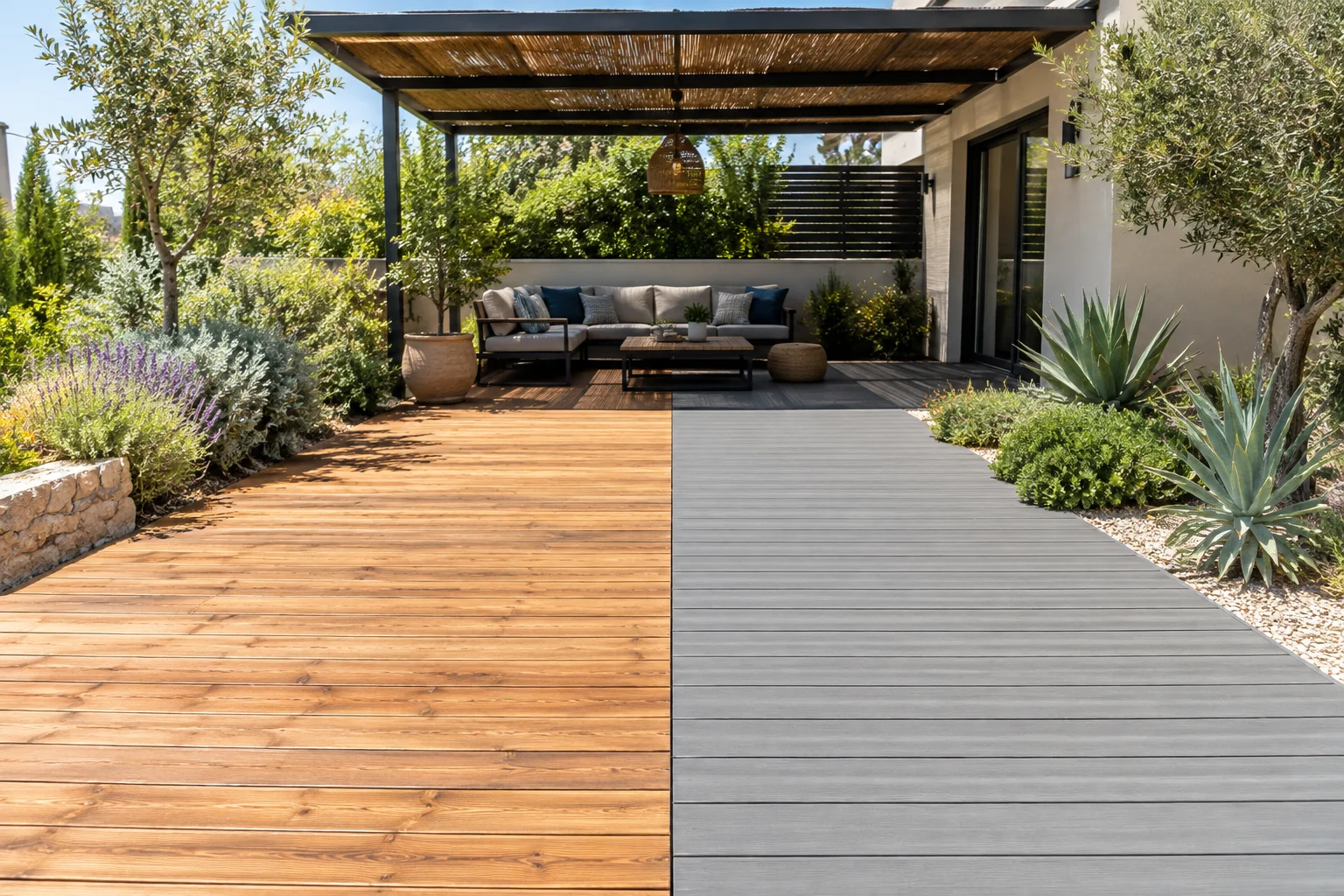
Patios, paths, decks and lawn areas shape how a garden performs each day. Therefore, choose them for the way your household uses the space, not just for their initial appearance. Otherwise, a surface that proves hard to clean, too hot or awkward around doors can quickly reduce the value of the upgrade.
For example, paving can suit frequent outdoor dining and provide a stable base for furniture. Decking can add warmth and define a particular zone, especially where levels need careful treatment. In either case, prepare the ground properly before installation. Good levels and planned edges help the garden look considered and simplify future maintenance.
Lawn requires a decision rather than automatic inclusion. Natural grass offers a soft, traditional surface, but it needs regular water and care. Alternatively, synthetic grass can suit households that want a consistently neat green area with less routine lawn work. However, balance it with planting, shade and suitable hard landscaping so the garden does not feel flat.
Make irrigation efficient before adding more planting
A healthy garden needs water in the right places. Therefore, irrigation ranks among the garden upgrades that add value because it protects planting and makes care more predictable. In hot, dry conditions, thirsty plants can struggle quickly without suitable watering.
Plan watering in zones. For example, trees, shrubs, flowering beds and lawn areas may need different schedules or delivery methods. Separating these areas lets you water each one more appropriately. In addition, keep irrigation components accessible for checks and future adjustments.
Plant selection and irrigation should work together. For instance, sun-tolerant, lower-water plants make little sense with a wasteful layout that waters every area in the same way. If the existing garden has patchy growth, leaking components or poor coverage, fix those problems before adding more plants.
Add privacy and a clear sense of enclosure
Privacy can make a garden feel like a true extension of the home. This matters especially when neighbouring houses overlook a seating area or when a boundary feels unfinished. Fencing, screens and layered planting can all help. However, the best option depends on views, sunlight and available space.
A solid screen creates an immediate visual barrier. On the other hand, planting softens a boundary and adds seasonal interest. Often, the strongest result combines both approaches: a practical fence or screen provides structure, while shrubs or climbers add depth. Before planting, consider mature size, shade and pruning access.
Privacy improvements should support the whole garden. For instance, screening the main seating area often helps more than enclosing every edge of the plot. This focused approach can retain openness while improving comfort where it matters most.
Choose planting for structure, shade and resilience
Planting helps a garden feel established, but it must suit local conditions. In Southern Israel, strong sunlight and heat should guide your choice of trees, shrubs and ground cover. Consequently, plants that suit their position are usually easier to keep attractive than unsuitable varieties.
Start with structure. A small number of well-placed trees or large shrubs can create privacy, soften walls and frame key views. Then, add medium shrubs, ground cover and seasonal colour in the layers below. As a result, the garden gains interest at different heights instead of looking sparse or crowded.
Do not plant only for the first month. Instead, consider each plant’s mature width, its effect on windows and paths, and its watering needs. Leave room for access around boundaries and irrigation points. Thoughtful spacing also makes later pruning and cleaning much simpler.
Use a complete plan instead of buying upgrades one by one
Separate garden purchases can add up without creating a unified result. For example, a pergola may need a patio below it, while new planting may require irrigation changes and revised paths. Consequently, a simple overall plan helps you spend in the right order and avoid repeating work.
A useful priority order is:
- Address access, levels, drainage concerns and basic garden structure.
- Next, plan shade, privacy and the main outdoor living area.
- Then install irrigation and prepare planting areas.
- After that, add durable surfaces, lawn or play areas.
- Finally, finish with planting, lighting and smaller decorative details.
This does not mean every garden needs a full renovation at once. Instead, it gives each stage a clear purpose. If you are starting with an unfinished yard, our advice on landscaping for new construction homes explains why planning the major elements together helps so much.
See the trade-offs before committing
Some garden upgrades that add value involve competing benefits. More paving may increase entertaining space, yet too much hard surface can make a garden feel stark and hot. Likewise, dense screening can improve privacy but reduce airflow or create unwanted shade. A larger lawn can provide a play zone while increasing watering and maintenance needs.
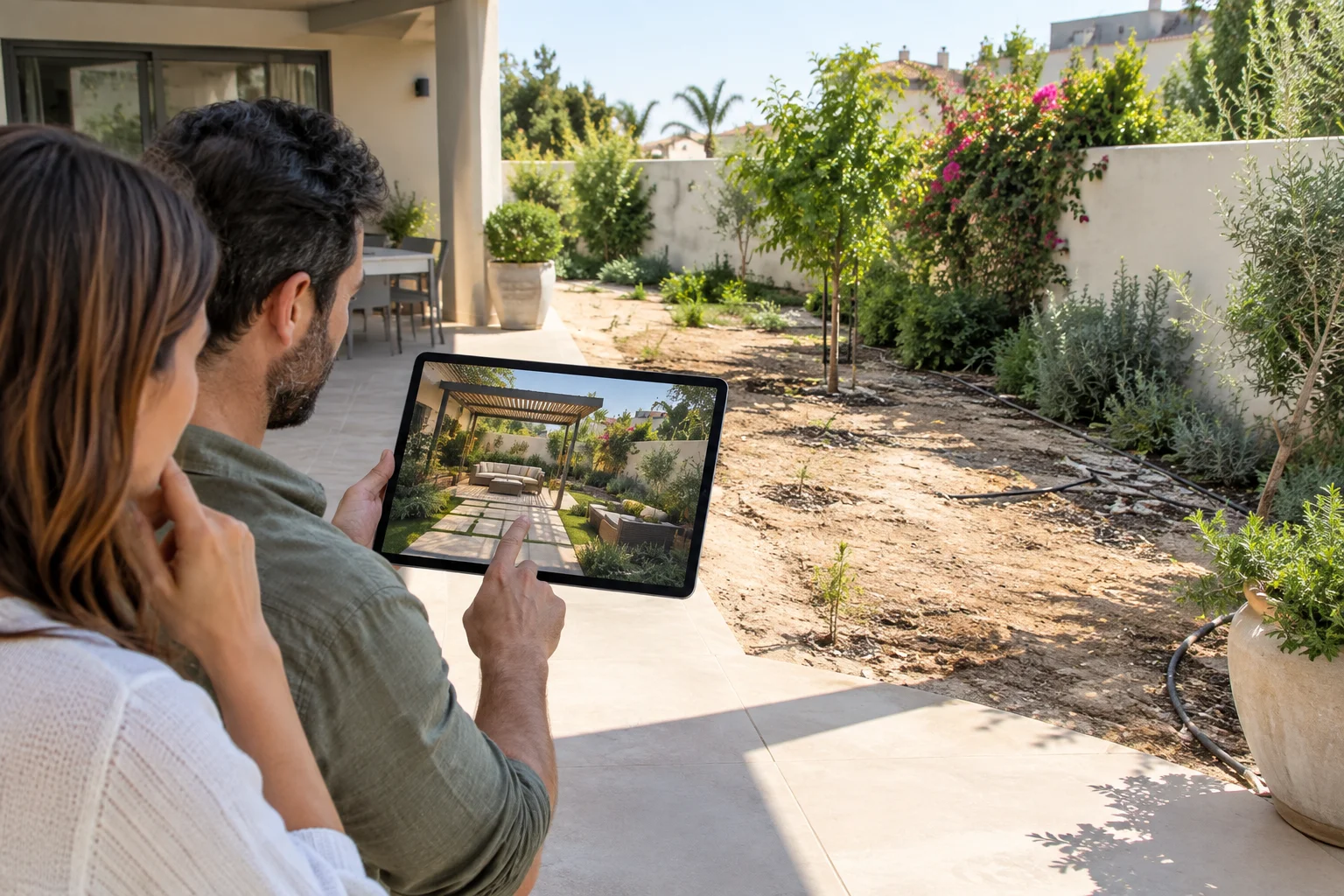
Visualising the layout before construction helps homeowners compare these choices with less guesswork. For example, an AI garden design visualisation can explore arrangements for shade, patios, planting, fencing and lawn areas using the existing garden as a starting point. This process offers a practical way to test priorities before you order materials or start work.
Creative Garden Co. helps homeowners across Southern Israel plan garden transformations around everyday use, climate conditions and long-term care. The most successful garden upgrades that add value balance immediate enjoyment with realistic maintenance. Therefore, if you are considering a substantial upgrade, contact us to discuss your garden, explore the options and create a design that makes the space more useful from the start.