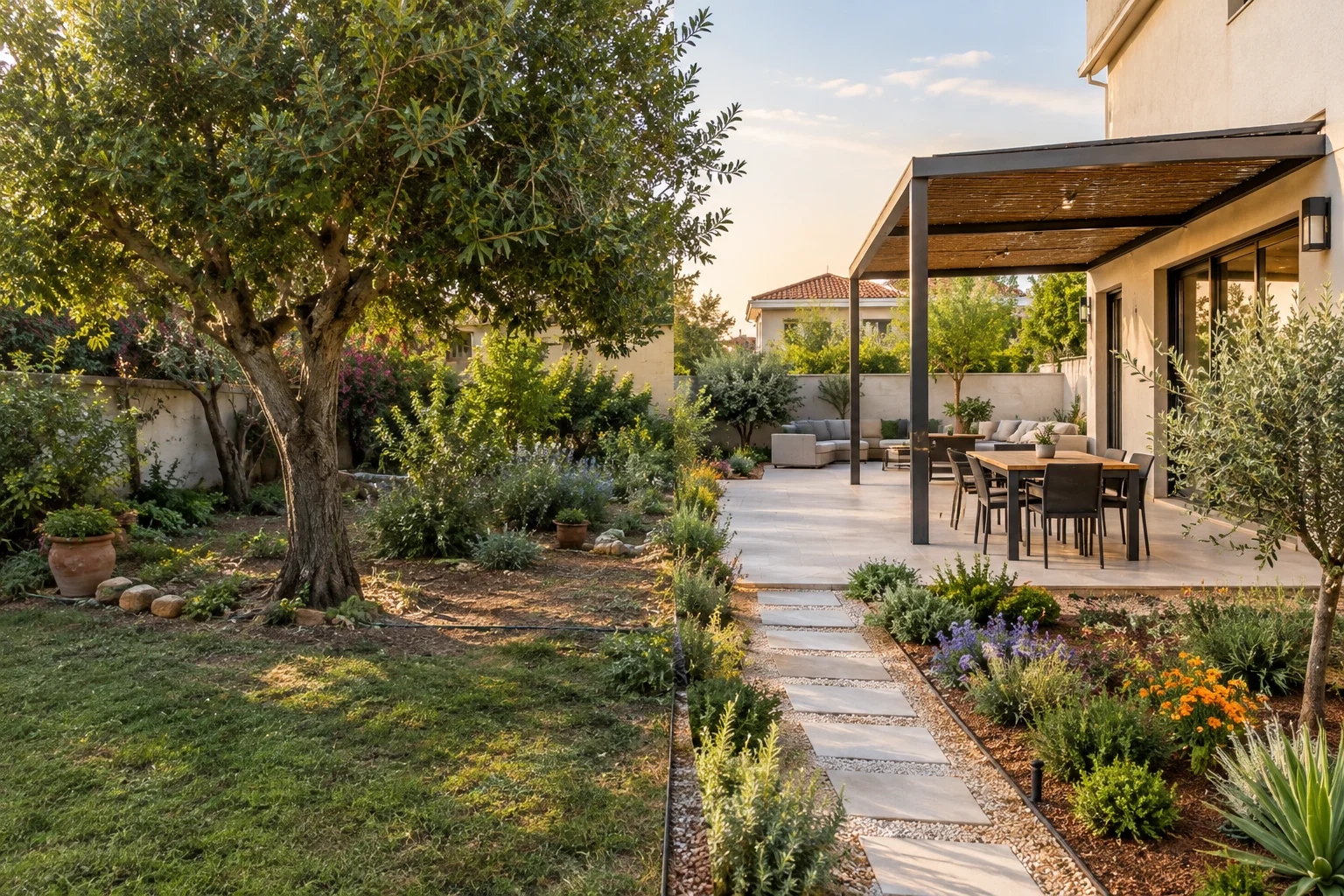
A deck should do more than cover a patch of ground. A well-planned custom wooden deck installation can turn an awkward garden level, dusty seating area, or unused corner beside the house into a comfortable place for Friday dinners, children’s play, morning coffee, and relaxed entertaining. The difference is in the planning: the deck needs to fit the home, the garden, the sun, and the way your family actually lives outdoors.
For homes in Kiryat Gat, Carmei Gat, Even Shmuel, and nearby communities, that also means choosing materials and construction details that can handle strong sun, dry summers, occasional heavy rain, and regular use. A beautiful deck is the goal, but a deck that remains stable, safe, and easy to maintain is what makes the investment worthwhile.
Start With How You Want to Use the Space
The best deck size is not always the biggest one. It is the one that gives you enough clear space without taking over the garden or blocking access to planting beds, irrigation points, storage, and pathways.
Think about the main purpose before deciding on dimensions. A compact deck outside a sliding door may only need room for a small dining table. A larger family garden may need space for a lounge area, an outdoor table, a grill zone, and room for children to move around. If the deck will sit beneath a pergola, its proportions should work with the shade structure rather than looking like two separate additions.
It also helps to consider the view from inside. A deck often becomes the visual bridge between the house and the garden. From the kitchen or living room, you want to see a finished, inviting outdoor space, not a raised platform that interrupts the planting and circulation.
Measure Before You Imagine
Visual inspiration is useful, but it cannot replace an on-site measurement. Slopes, drainage routes, door heights, existing paving, retaining walls, mature trees, and utility lines all affect the right approach. Even a small difference in ground level can determine whether a deck needs a raised frame, steps, side screening, or a different layout altogether.
A proper site visit also reveals practical questions early. Can rainwater flow away from the house? Will irrigation pipes need to be rerouted? Is there enough room for ventilation beneath the structure? Can the deck be built without damaging established plants or making future garden maintenance difficult? These details prevent costly changes once construction has started.
Choose Wood With the Climate in Mind
Wood gives a garden warmth that tile and concrete rarely match. Its grain, texture, and natural color make outdoor spaces feel more settled and inviting. But not every timber performs the same way outdoors, especially in Southern Israel’s sun.
The right material depends on your budget, preferred appearance, exposure to sun and moisture, and willingness to maintain the finish. Treated structural timber is commonly used below the deck, where strength and resistance to decay matter most. For the visible boards, the choice may be based on the desired color, board width, texture, and long-term care requirements.
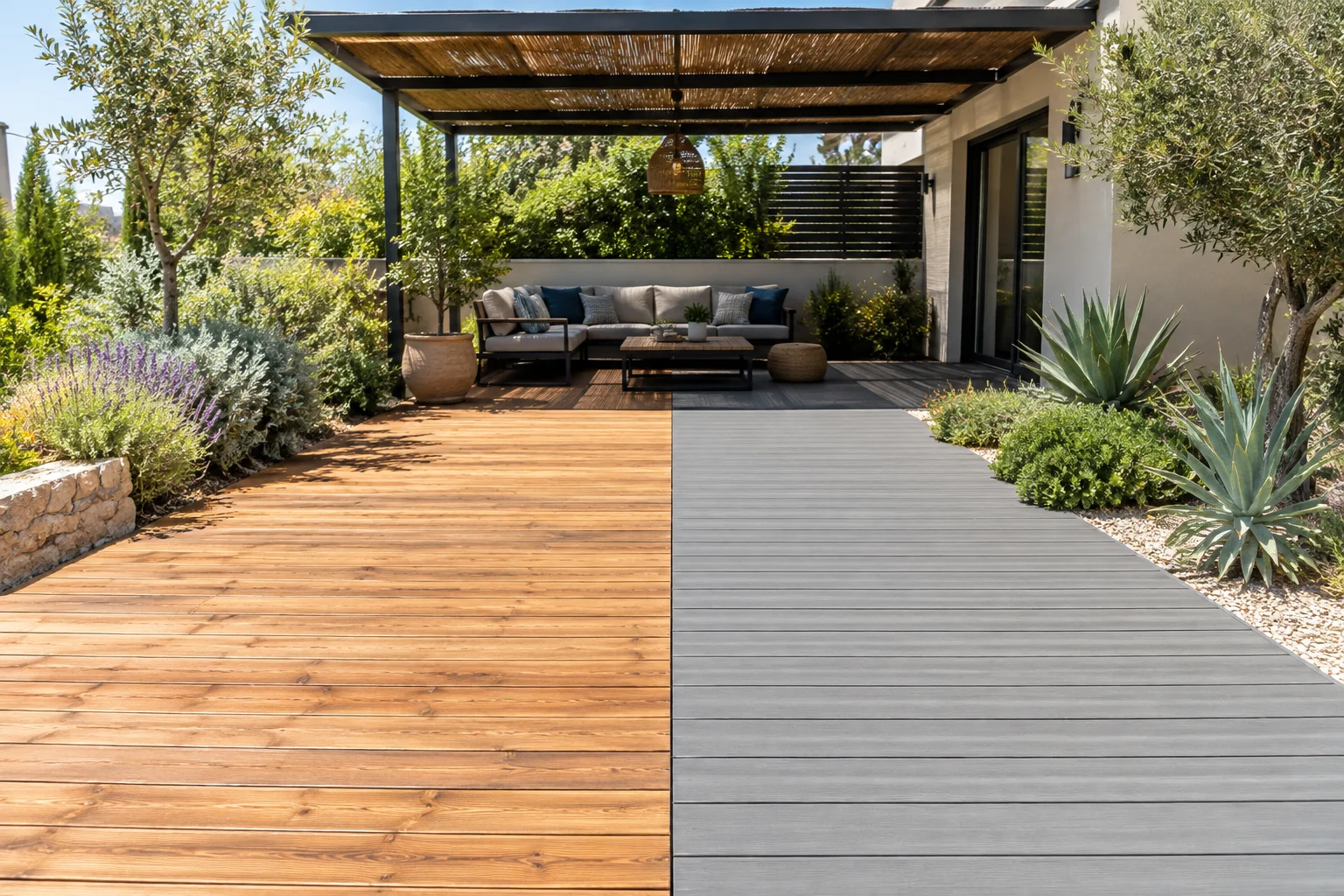
Natural wood will change over time. Sun can fade the color, and temperature shifts can cause minor movement. That is normal, not a failure. A quality installation accounts for this by leaving suitable spacing between boards, using appropriate fixings, and allowing airflow beneath the deck. Applying a suitable protective oil or finish can help preserve the look and reduce weathering, but maintenance should be treated as part of owning a real wood feature.
If you want the appearance of timber with less ongoing care, composite decking can be worth discussing. It is not the same as wood, and it has its own heat, color, and installation considerations. For homeowners who value the authentic feel and custom character of wood, timber remains a strong choice when it is built and maintained properly.
What a Quality Custom Wooden Deck Installation Includes
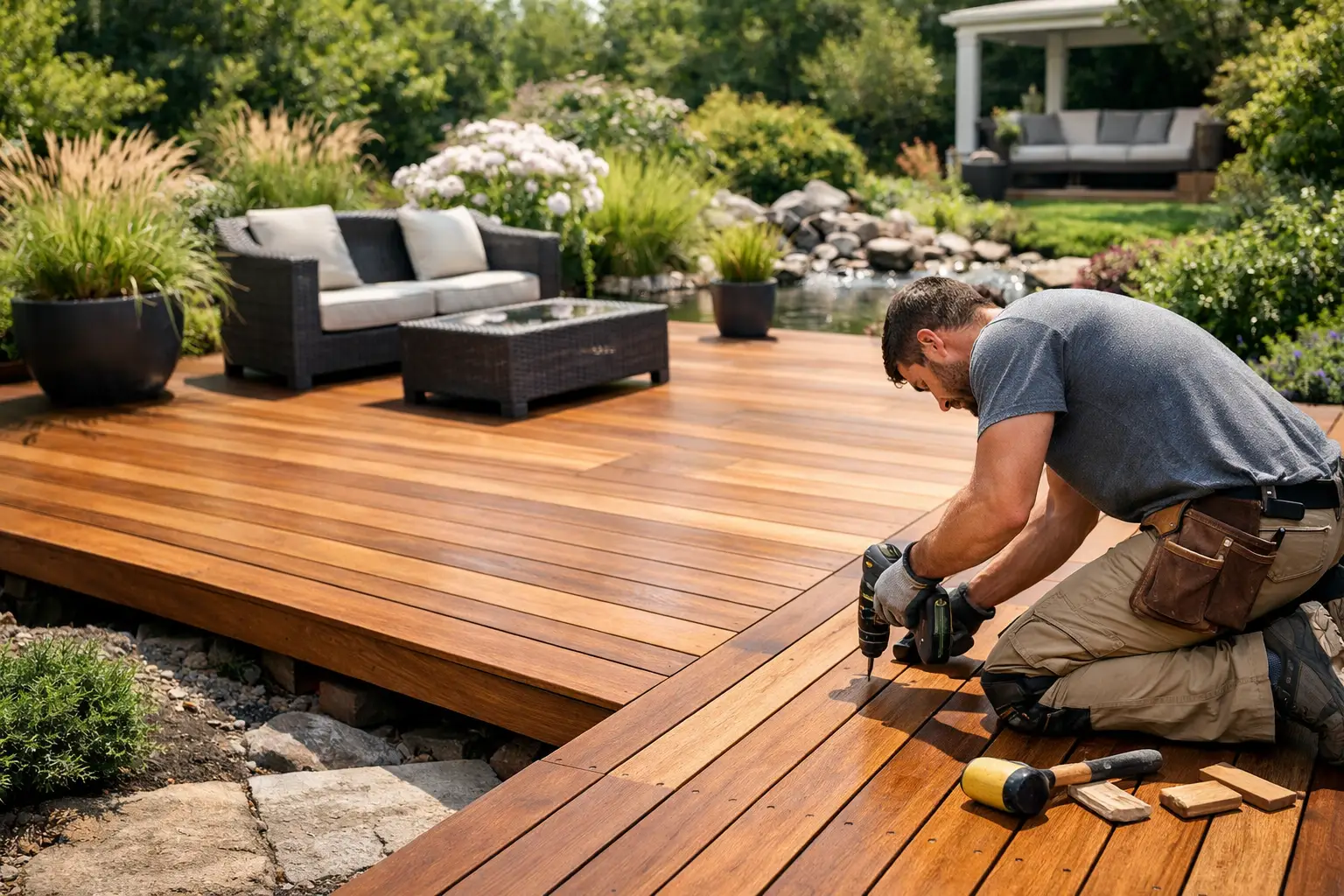
A deck can look impressive on the day it is finished and still develop problems if the structure beneath it is rushed. The visible boards are only one part of the job. The foundation, frame, drainage, and edge details are what support years of use.
A professional custom wooden deck installation should account for four essential elements:
- A stable, level base suited to the ground conditions and deck height.
- A durable subframe with properly spaced joists and exterior-rated fasteners.
- Clearance and ventilation beneath the boards to reduce trapped moisture.
- A slight fall or drainage plan that directs water away from the house and avoids pooling.
These choices are rarely visible once the work is complete, which is why they are easy to underestimate. Yet they affect whether boards stay aligned, whether water drains correctly, and whether the deck remains safe under furniture, foot traffic, and changing weather.
Finishing details deserve equal attention. Clean board cuts, consistent gaps, secure edges, and well-positioned steps give the deck a built-in look. Where the deck meets a wall, planter, lawn, or paved area, a thoughtful transition makes the entire garden feel intentional instead of pieced together.
Make the Deck Part of the Garden Design
A deck should not be treated as an isolated carpentry project. Its best role is to support the wider garden plan. Planting can soften the edges, create privacy, and bring color close to the seating area. Low planters may define the space without closing it in, while taller screens can provide privacy from neighboring homes.
Shade is another major consideration. An uncovered deck can be wonderful in cooler months but difficult to use during peak afternoon sun. A custom wooden pergola, shade cloth, or carefully placed tree can make the space far more usable. The right solution depends on the deck’s orientation, the amount of light you want indoors, and whether you prefer filtered shade or full cover.
Lighting extends use into the evening and improves safety around steps and level changes. Soft lighting around the perimeter, under benches, or near pathways can create atmosphere without making the garden feel overlit. Irrigation also needs a place in the plan. Drip lines for nearby beds should remain accessible, and deck construction should not leave hidden leaks or damaged pipes beneath the structure.
This is where working with one team for carpentry, planting, irrigation, and garden work can make a real difference. Instead of arranging separate trades and hoping the pieces align, the deck can be designed as part of one outdoor space with one clear plan.
Custom Features Worth Considering
Custom work gives you the chance to solve the small issues that standard deck kits ignore. Built-in benches can provide seating without crowding the deck with furniture. Storage benches are useful for cushions, children’s outdoor toys, or garden items. A low step can create a natural transition to grass or planting, while a raised edge can double as a casual seating ledge.
For families, smooth finishes and secure edges matter. Splinter checks, appropriate screw placement, and a layout that avoids unnecessary trip points are practical priorities. If a deck is beside a pool, outdoor kitchen, or play area, the construction details should respond to that use rather than follow a one-size-fits-all design.
Privacy screens, decorative timber fencing, and pergola posts can also be integrated into the deck structure. This often creates a cleaner result than adding separate features later. The key is not to add every possible feature, but to choose the ones that make daily outdoor life easier.
Plan for Maintenance, Not Constant Work
Wooden decks need care, but they should not become a weekend burden. Regular sweeping keeps soil, leaves, and standing moisture from collecting between boards. Washing the surface occasionally and checking for loose fixings, fading finish, or damaged boards helps catch minor issues early.
The timing of oiling or resealing depends on the wood type, sun exposure, and finish used. A deck under full southern sun may need attention sooner than one beneath a pergola. Nearby trees can add shade and beauty, but falling leaves, sap, and overhanging branches should be managed as part of routine garden maintenance.
Avoid placing planters directly where they trap moisture against the boards. Use feet or risers beneath pots, and make sure water can escape freely. These simple habits protect both the wood and the space beneath it.
A custom deck is most successful when it feels like it has always belonged beside your home. Choose the layout that supports your routine, build the structure carefully, and let planting, shade, and practical details shape the rest. Then the garden gains more than a new surface – it gains a place people naturally want to use.