Garden plants in Southern Israel pass through a variety of seasonal stages — from the appearance of new leaves to flowering, fruit formation, and seed dispersal. Recognizing these distinct stages and understanding their timing helps gardeners make informed decisions about planting, watering, and maintenance suited to the region’s Mediterranean climate.
1. Distinguishing Vegetative Growth From Reproductive Stages
Plants display different types of growth throughout the year. Initially, new shoots and leaves emerge during vegetative growth phases. This period emphasizes leaf and stem development, which supports photosynthesis and energy gathering for the plant.
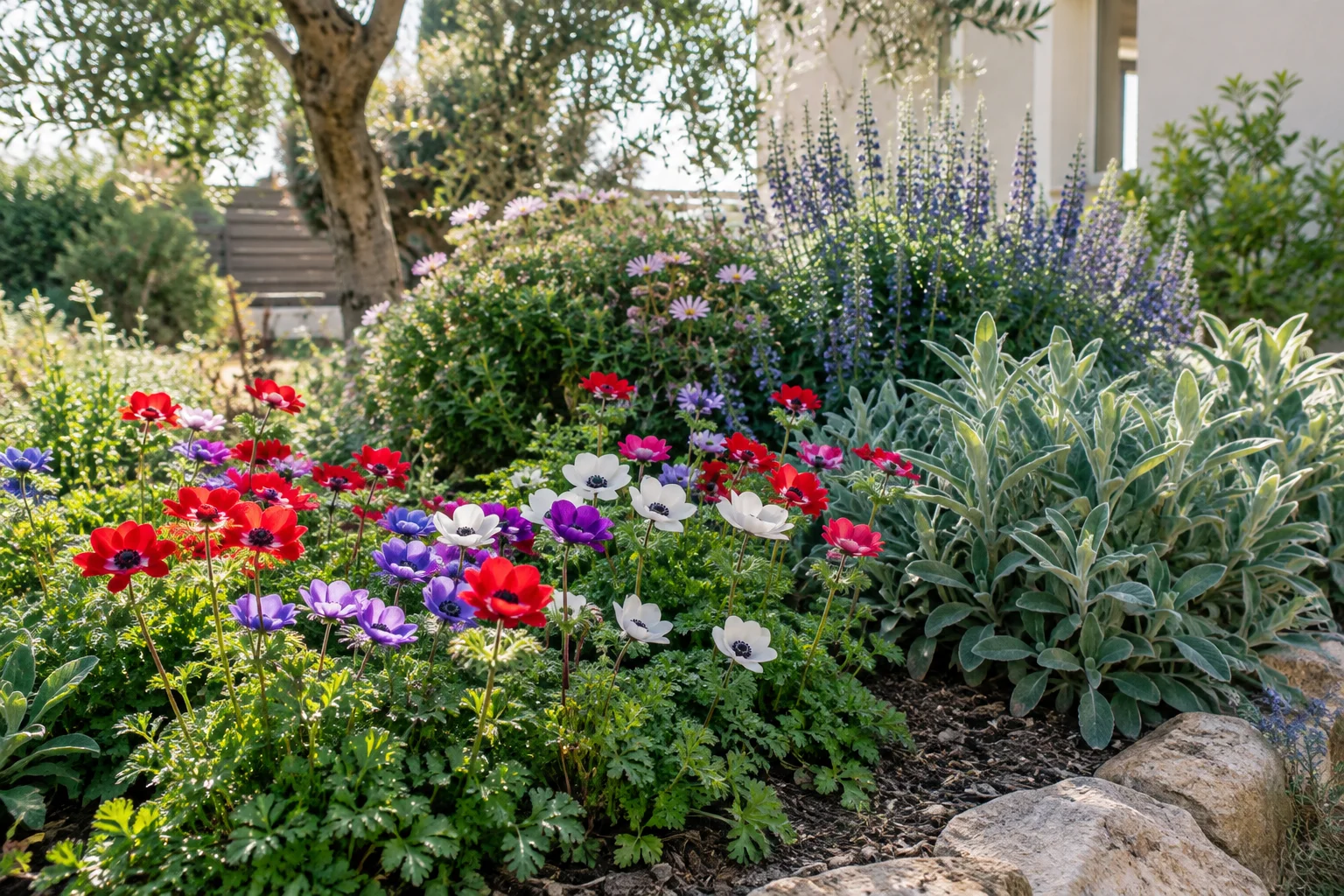
Later, many plants enter reproductive phases, producing flowers, followed by fruit and seed formation. These stages are biologically different from vegetative growth and often signal the plant’s preparedness for reproduction and dispersal.
In Southern Israel’s gardens, you might notice:
- New Leaf Growth: Many evergreen plants like Olive trees (Olea europaea) continuously produce new leaves, especially after the rainy period or cooler months.
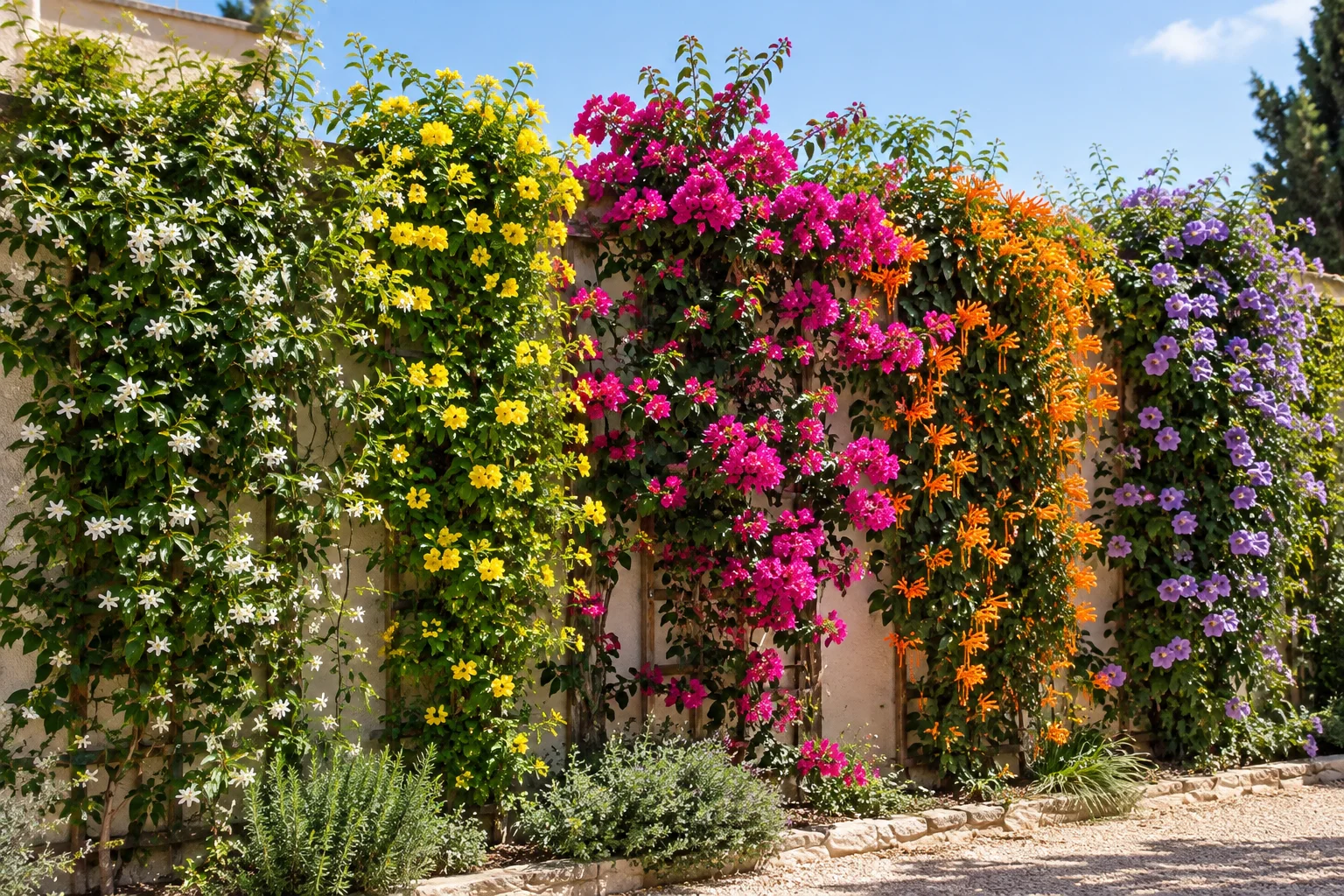
- Flowering: Plants such as Bougainvillea and Lantana produce flowers in response to optimal temperature and light conditions.
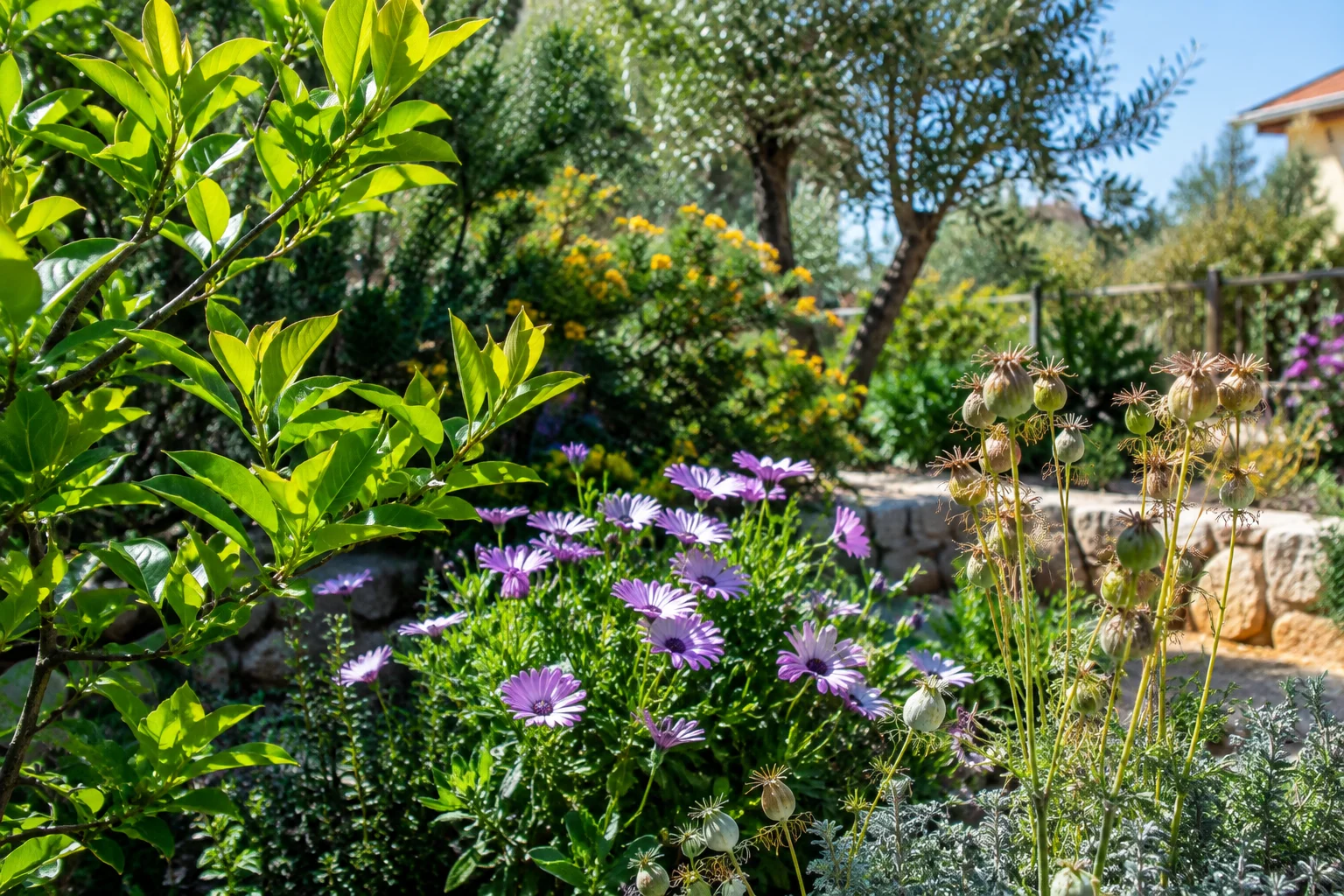
- Fruit and Seed Formation: Following flowering, species like Citrus trees develop fruit, eventually seeding new plants.
2. How Light, Temperature, and Water Affect Seasonal Timing
Plant phenology — the timing of seasonal stages such as leaf growth or flowering — is influenced by day length, temperature, water availability, and nutrient supply. While it is tempting to link specific events directly to the current weather, plant responses generally follow longer-term environmental cues.
Key influences include:
- Light (Day Length): Many plants use day length signals to time flowering or leaf shedding. For example, some deciduous trees open new leaves in response to increasing daylight after the cooler winter months.
- Temperature: Warmer temperatures may trigger flowering or seed maturation. However, sudden heat spikes do not always accelerate these stages immediately.
- Water Availability: In Southern Israel’s hot, dry summers and wetter winters, plants often coordinate growth stages with the rainy period to ensure water sufficiency for energy-demanding processes like flowering.
Understanding these factors can guide when to water your garden effectively or schedule maintenance without assuming uniform plant behaviour.
3. Why Different Species Follow Different Seasonal Clocks
It is normal for plants in the same garden not to be in the same seasonal stage simultaneously. Species differ widely due to genetic programming and ecological adaptations:
- Evergreens vs. Deciduous: Evergreens like Pine trees maintain leaves gradually, whereas deciduous plants such as Chinese pistache (Pistacia chinensis) shed leaves in a relatively short period and enter dormancy.
- Early vs. Late Bloomers: Some flowering plants respond quickly to early-season cues, while others bloom later depending on their biological triggers.
- Dormancy Timing: Metabolic activity reduction varies; some plants maintain root activity even when leaves have dropped or growth looks paused.
Misinterpreting a plant’s stage without species context may lead to incorrect conclusions about health. For example, seeing leaf drop in deciduous species during summer’s dry season can be normal rather than a sign of stress.
Bringing It Together: Practical Tips for Your Southern Israel Garden
- Observe Your Specific Plants: Note their leaf, flower, and seed development over seasons rather than expecting all plants to follow the same schedule.
- Account for Local Conditions: Use daylight patterns, seasonal temperature trends, and water availability as guides—not daily weather changes—to understand plant behaviour.
- Plan Maintenance Accordingly: Timing pruning, watering, and fertilising to coincide with key growth stages can improve plant health. Consult with professional garden maintenance services to tailor care to your garden’s species and conditions. Creative Garden Co. offers expert garden maintenance services designed for Southern Israel’s climate and plants.
Understanding plant seasonal stages helps you avoid mistaken assumptions about your garden, supports healthier plants, and aligns your care practices with natural rhythms. Observed thoughtfully, these stages reveal much about plant needs and success in Southern Israel’s unique environment.