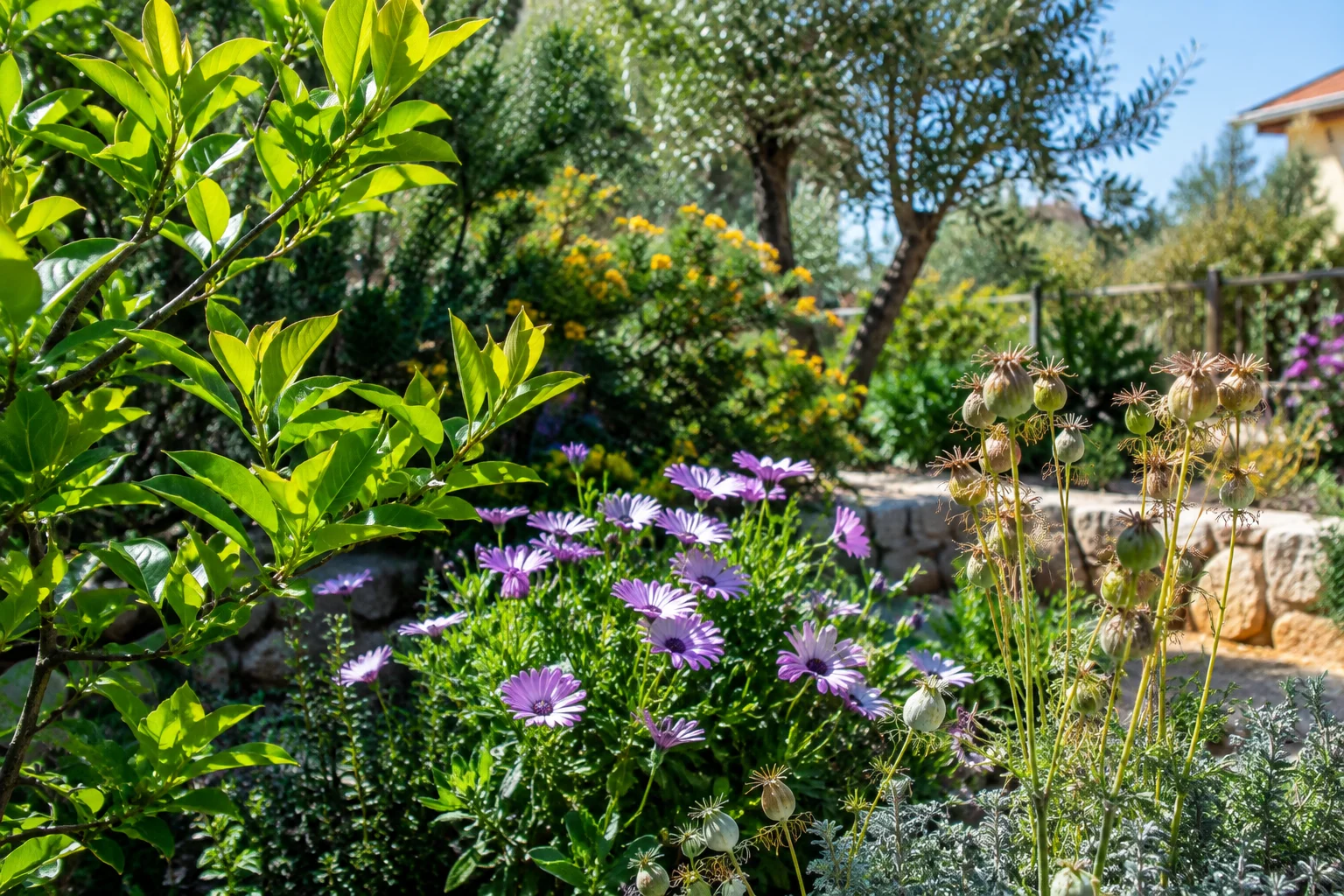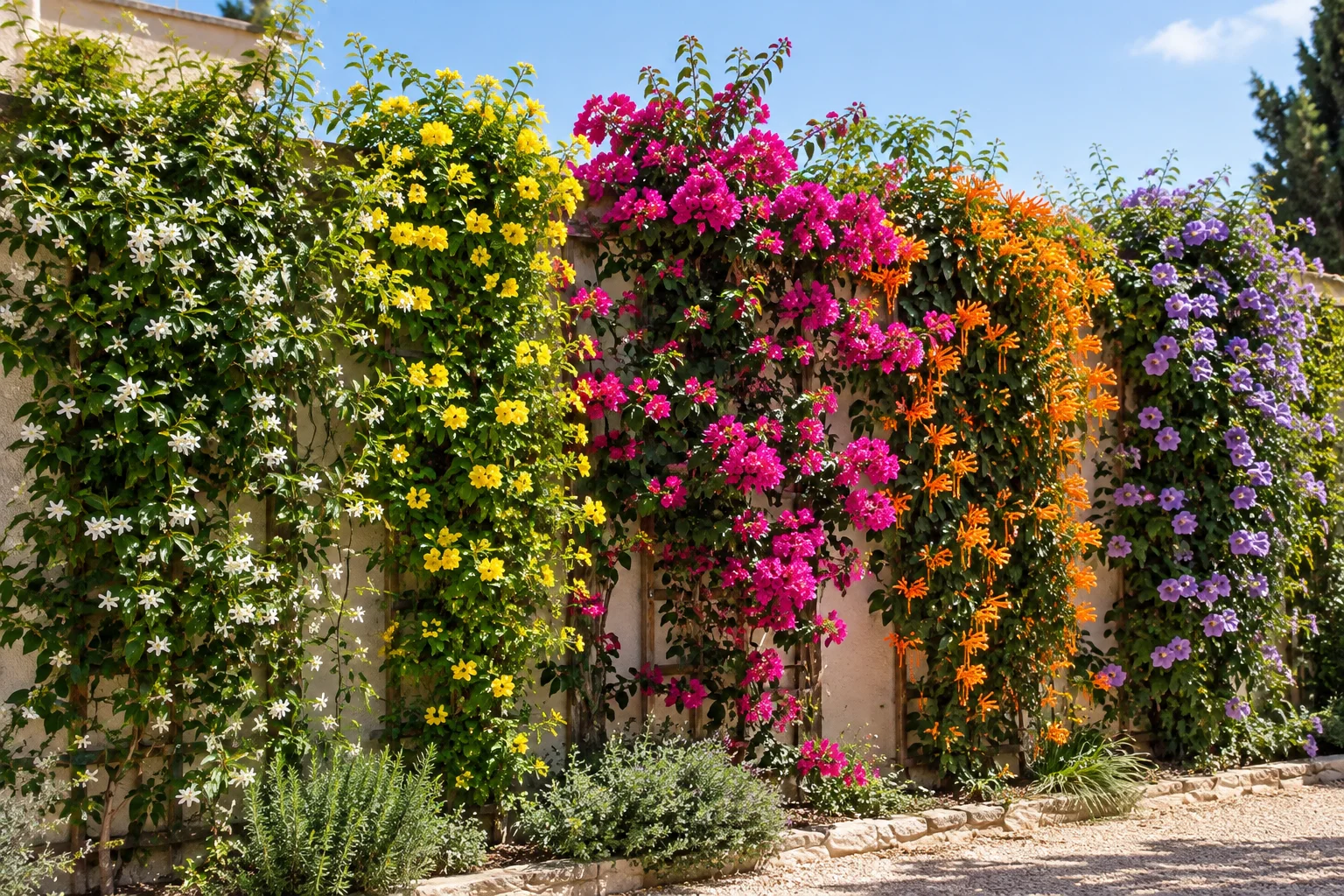
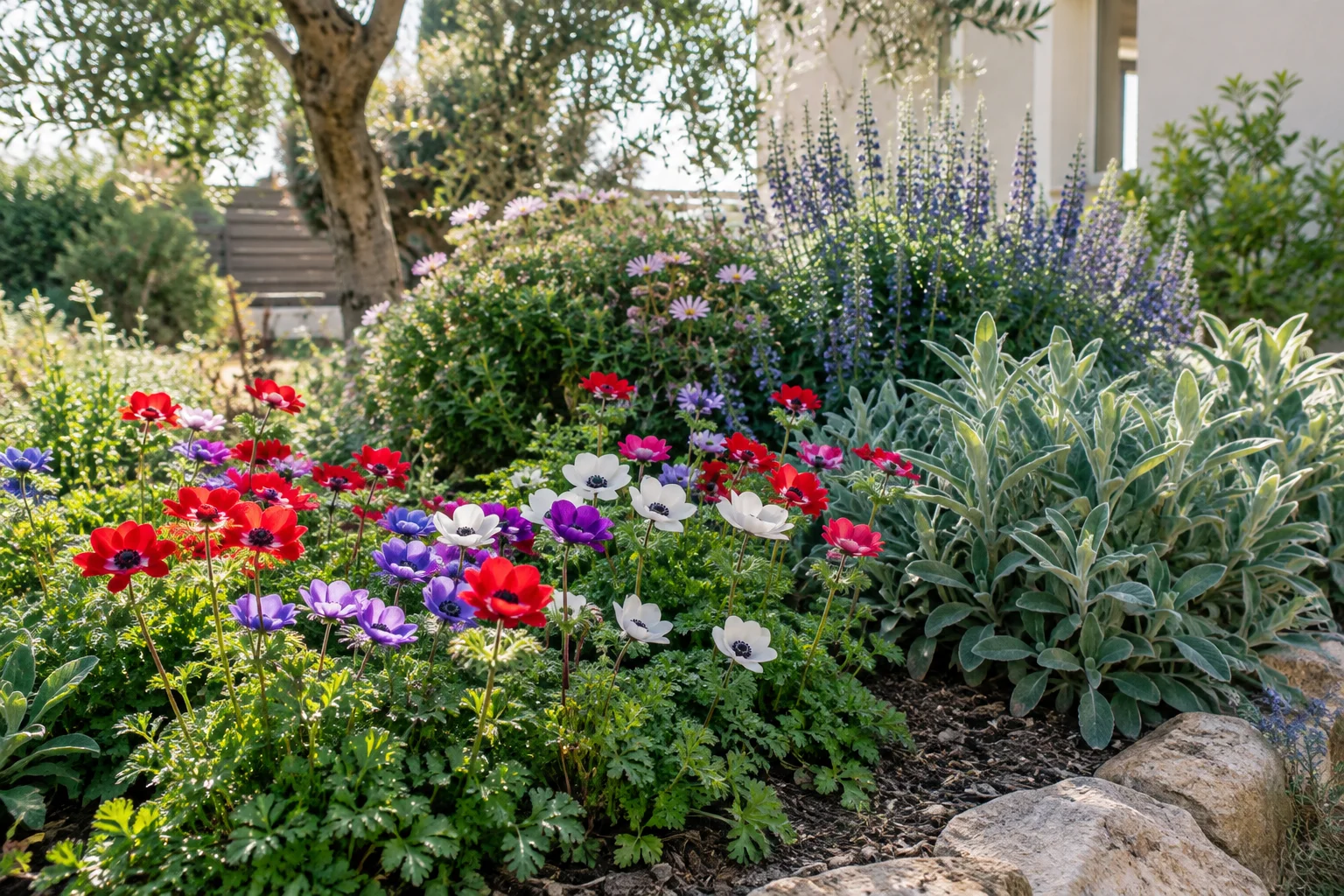
When planning your garden in Southern Israel, understanding the difference between winter annuals and perennials is essential for a thriving, attractive landscape that suits your preferences and the regional climate. Both plant types offer flowering options, but they differ in life cycle, seasonal interest, and maintenance needs.
1. What Are Winter Annuals? Their Lifecycle and Role in Your Garden
Winter annuals complete their entire life cycle — germination, growth, flowering, seed production, and decline — within a single winter-to-spring season. After flowering and seeding, these plants naturally finish their life and die back.
In Southern Israel’s climate, winter annuals like narcissus, tulips, irises, anemones, ranunculus, and cultivated cyclamen produce vibrant colours in beds and containers from cooler season into spring’s cooler months. Their underground bulbs or tubers store food and moisture over the summer heat but require careful watering to avoid rot and should not be planted with fresh manure nearby to prevent decay.
Winter annuals offer a seasonal display of colour and are excellent for bedding schemes where you desire fresh flowers annually. Their growth period is timed with Southern Israel’s rainy season, making them well suited to the region’s cooler and less arid months.
2. Understanding Perennials and Their Multi-Year Growth
By contrast, perennials are plants that survive for multiple years. Herbaceous perennials grow, flower, and develop a framework above or below ground that lasts beyond a single season. Some may appear less fresh or dormant during the hotter months but return with new growth in cooler periods.
In Southern Israel, perennials provide an ongoing garden structure and occasional flowering but do not promise year-round blooms. Rather than replacing the entire planting area yearly, perennials create a long-term garden foundation that supports soil health and reduces planting workload.
Unlike annuals, perennials come with the trade-off of less predictable flower timing and the necessity of site assessment to match plant choice with water availability, shade, and soil conditions.
3. How to Distinguish Seasonal Display from Perennial Garden Framework
Winter annuals give an immediate, vibrant seasonal burst of flowers that ends as the plants complete their lifecycle and fade away. This means you can plan for fresh bedding colour each year but will need to replace these plants before the next winter season.
Perennials, meanwhile, may have flowering periods of varying length and intensity but maintain a living garden framework that persists through seasons. Their presence helps sustain garden interest beyond flowering times, although flower quality can diminish temporarily during heat or drought stress.
4. Planning Your Garden with Both Winter Annuals and Perennials
Creative Garden Co. recommends combining winter annuals with perennials to achieve both seasonal colour and structural continuity in Southern Israel gardens. For example, using bedded bulbs for winter-spring colour alongside established perennials creates a dynamic and evolving garden scene.
This approach balances the immediate impact of winter annuals with the reliability of perennials’ established presence. Professional planting and ongoing maintenance ensure bulbs and perennials establish well in Southern Israel’s soils and irrigation regimes for best performance.
For gardeners seeking a seasonal change of flowers every year or a long-term garden framework without annual replanting, understanding the differences between winter annuals and perennials helps make informed planting choices suited to their lifestyle and garden goals.
For expert planting services, tailored to Southern Israel’s conditions, Creative Garden Co. offers tailored garden design, installation, and maintenance that marries both practical gardening knowledge and professional landscaping expertise.
References: Guidance on winter annuals and herbaceous perennials from Meltser Nurseries (Israeli source) supports these practical distinctions and planting recommendations.