A garden can look promising on the day a home is finished, then become the place nobody uses: blazing hot by noon, dusty underfoot, hard to water, and missing the storage, shade, or seating a family actually needs. Thoughtful garden design changes that. It gives every part of the yard a purpose, from the path that keeps dirt out of the house to the shaded corner where people stay outside after dinner.
For homeowners in Kiryat Gat, Carmei Gat, Even Shmuel, and across Southern Israel, a successful garden needs to handle real life. It should stand up to strong sun, dry periods, children, hosting, pets, and the weekly routines that decide whether a yard stays beautiful or becomes another unfinished job. The best results begin with planning the way you want to live outdoors, not simply choosing plants.
Start Garden Design With Daily Life
Before selecting pavers, trees, or a pergola style, look at how your household moves through the outdoor space. Where do you enter from the house? Where do children naturally play? Is there a view worth framing, or a neighboring wall that needs softening? These simple questions create a plan that feels natural once the work is complete.
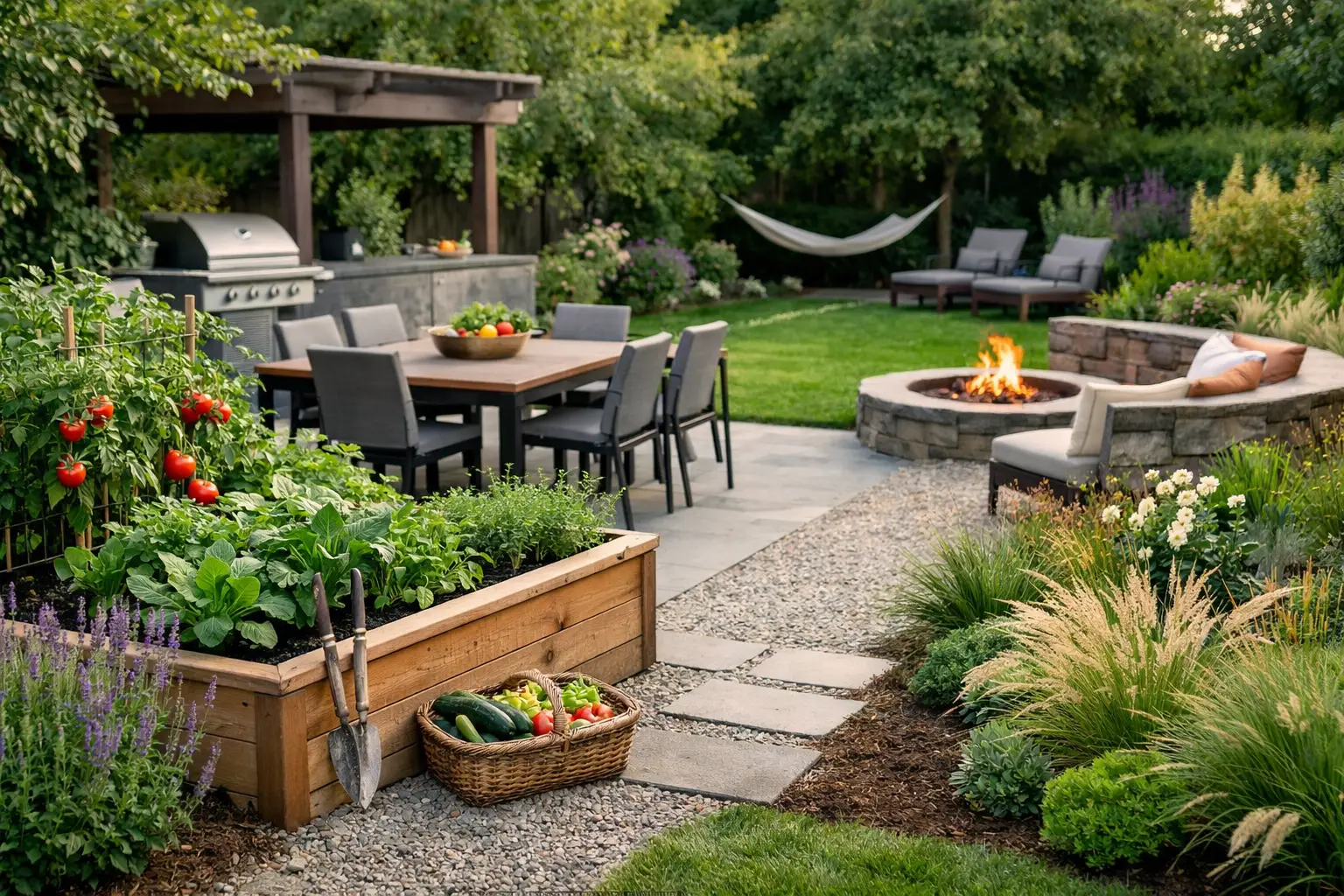
A family with young children may need open lawn, a safe playhouse area, and clear sightlines from the kitchen or patio. A couple who loves to host may place greater value on a generous deck, outdoor dining space, lighting, and a built-in bench. For a smaller yard, the priority may be creating one comfortable destination rather than dividing the area into too many tight zones.
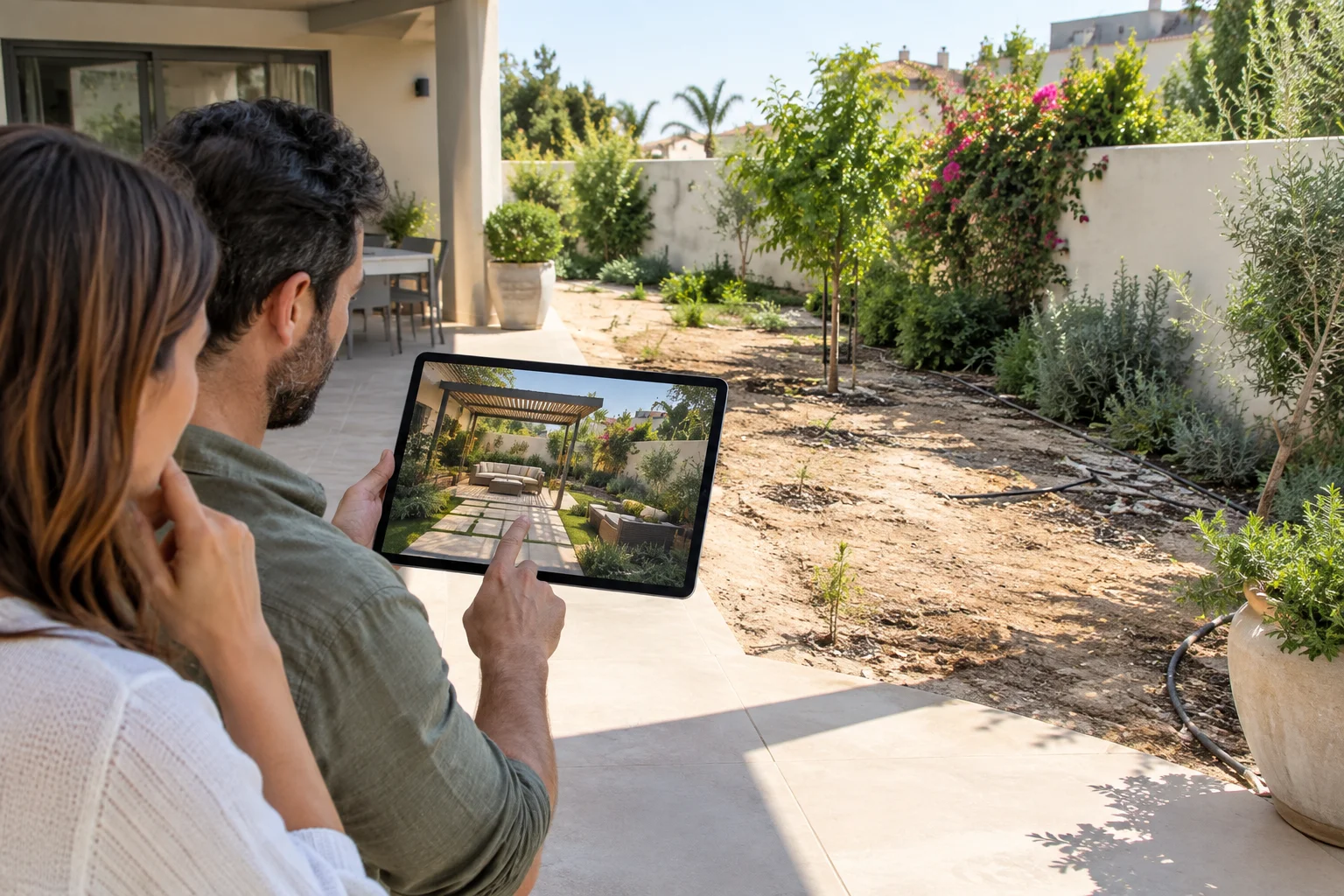
This is where an on-site measurement and consultation matter. Dimensions influence more than the amount of material needed. They determine whether a dining table can be pulled out comfortably, whether a path is wide enough for maintenance access, and whether a pergola provides usable shade at the hours you need it most. A visual mood board or render can also make decisions much easier before construction begins, especially when combining planting, paving, and custom woodwork.
Give the Yard Clear Outdoor Zones
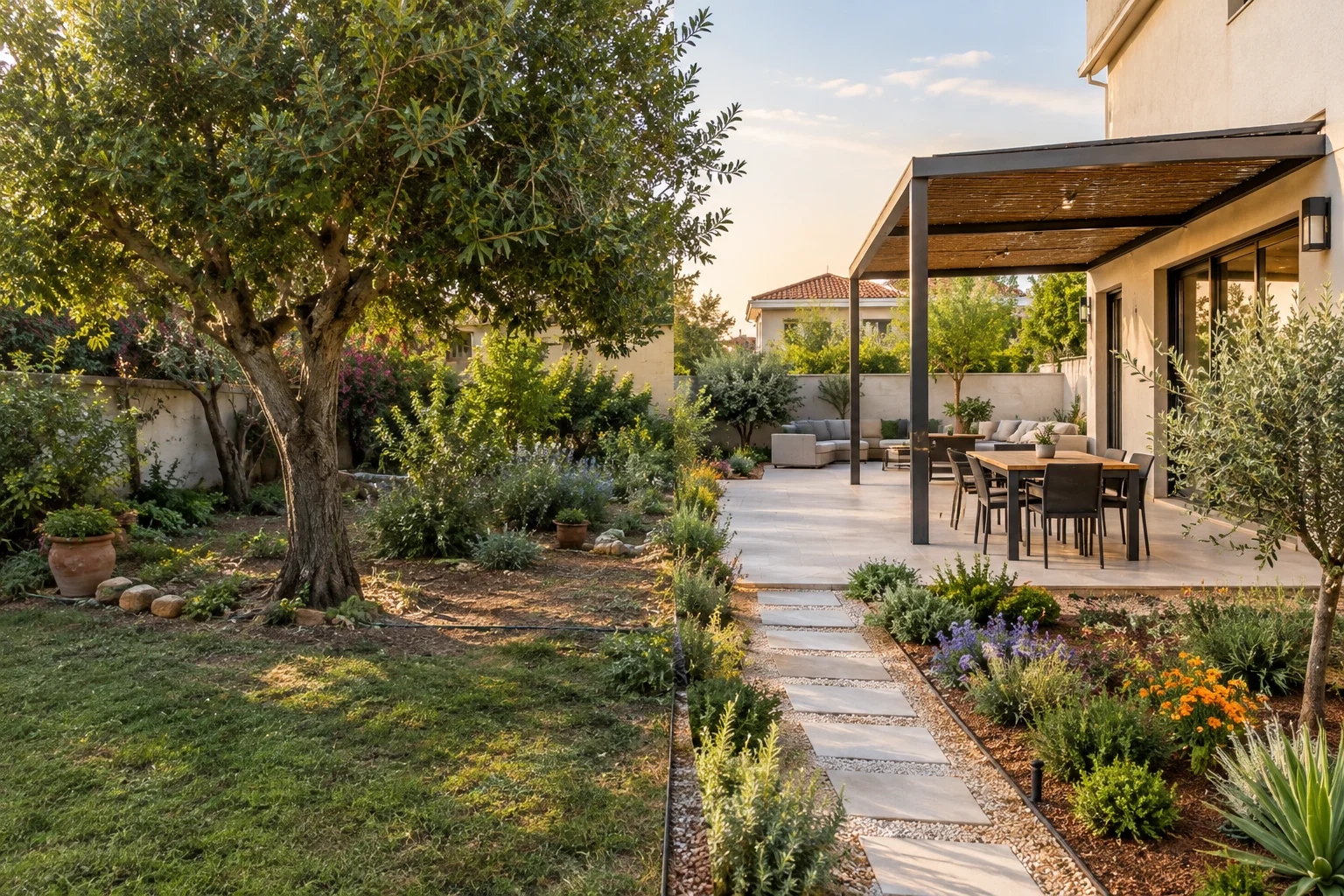
A good garden rarely needs to be large. It needs to be organized. Most residential outdoor spaces work best when they include a practical transition from the home, a place to sit, planting that adds privacy and softness, and a service area that does not interrupt the view.
The transition zone is often overlooked. A durable walkway, driveway edge, or paved strip can prevent mud and worn patches near the door. It also creates a clean visual line between the house and the garden. From there, a deck or patio can become the main living area, while planting beds guide the eye toward the rest of the yard.
Privacy deserves early attention. In built-up neighborhoods, a fence, layered planting, trellis, or custom screen can make a garden feel more settled without closing it in completely. The right choice depends on space, budget, and maintenance preferences. Fast-growing greenery may provide softness sooner, but it will require regular trimming. A well-built fence gives immediate privacy and structure, though it benefits from planting around it to avoid a flat, boxed-in look.
Shade Is a Function, Not an Afterthought
In Southern Israel, shade often determines whether a garden is usable for much of the year. A pergola, sail, mature tree, or combination of these can create relief from the sun, but placement is everything. Shade that falls on an unused corner at midday will not help the dining table or children’s play area.
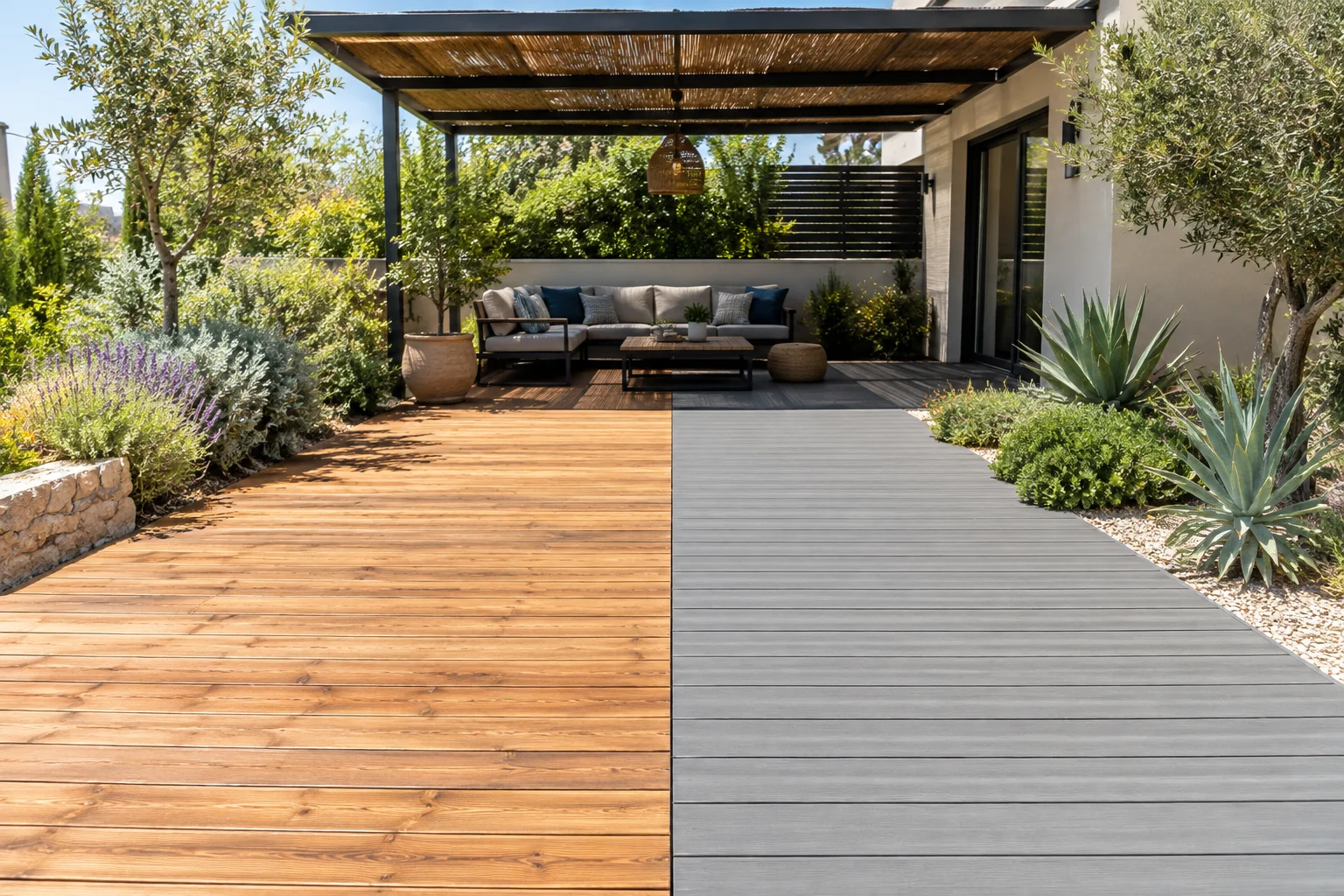
Wooden pergolas bring warmth and can be built to suit exact dimensions, roof coverage needs, and the character of the home. They work beautifully over decks and patios, particularly when paired with outdoor lighting and comfortable furniture. Trees add living shade and improve the feeling of the garden, but they take time to establish and need pruning. Often, the practical approach is to install a shade structure now while planting trees for the long term.
Choose Materials That Fit the Way You Maintain
Every material comes with a trade-off. Natural-looking wood is inviting underfoot and can make a compact yard feel like an outdoor room, but it needs quality construction and periodic care. Stone or pavers are durable and easy to sweep, though too much hard surface can make a garden feel hot and bare. Lawn gives children room to play, but it needs water, mowing, and attention through demanding weather.
The answer is usually balance. A deck can define the entertaining area, pavers can handle entrances and high-traffic routes, and planting beds can cool the look of the space. In a low-maintenance garden, reduce narrow strips of lawn that are awkward to mow and avoid placing delicate plants where footballs, bicycles, or busy feet will constantly meet them.
Custom carpentry can solve problems that off-the-shelf products cannot. A built-in bench can fit an unusual corner. A storage unit can hide garden equipment. A made-to-measure fence can follow a sloping boundary, and a playhouse can give children a dedicated space without taking over the entire yard. These details are not decorative extras when they improve how the garden functions every day.
Plant for Southern Israel Conditions
A garden should feel green and generous, but it should not demand more water and attention than the household can realistically provide. Plant selection needs to consider sun exposure, wind, soil conditions, expected growth size, and how much seasonal care is acceptable.
Use structure first. Trees, shrubs, and climbers can create height, privacy, and year-round presence. Then add flowering plants, texture, and seasonal color where they will be seen and enjoyed. Dense planting beside a patio may look lush in a render, but it can become crowded if mature sizes are ignored. Giving plants proper spacing helps air move through the beds and makes pruning, weeding, and irrigation checks far easier.
Keep thorny plants away from play areas and narrow pathways. Place fragrant herbs or flowering plants close to a seating area where they can be appreciated. If a mature tree is being added or relocated, plan its long-term canopy, root space, and relation to walls, paving, and irrigation lines. A dramatic olive tree can transform a new yard, but only when the site preparation and installation are handled carefully.
Irrigation Protects the Investment
Even the best plant palette will struggle with poorly planned watering. Drip irrigation delivers water where roots need it and is generally more efficient than watering by hand, particularly for larger gardens or busy homeowners. Separate irrigation zones allow different areas to receive the right schedule: lawn, planting beds, containers, and newly planted trees do not all have the same needs.
Irrigation should be checked after installation and adjusted as seasons change. Leaks, blocked drippers, broken lines, and uneven coverage can quietly damage a garden before the problem becomes obvious. A system that is easy to access and maintain saves time later and protects the money already invested in plants and soil preparation.
Plan for the Garden After Installation
A finished garden is not a static project. Trees grow, palms drop fronds, weeds return, and seasonal changes affect how the space looks and performs. Planning for upkeep from the beginning is one of the most practical choices a homeowner can make.
This does not mean every garden needs constant work. It means choosing a maintenance level that fits your schedule. A formal, tightly clipped garden may look precise, but it requires regular pruning and cleanup. A more natural planting style can be easier to manage, although it still needs occasional shaping so paths remain clear and plants do not compete with each other.
Regular service can cover trimming, weeding, leaf removal, palm branch removal, cleanup, irrigation repairs, and tree styling before small jobs become major ones. It is also a chance to spot opportunities: a tree that now needs support, a corner that would benefit from a bench, or a bare wall ready for a climbing plant.
Creative Garden Co. approaches these spaces as complete outdoor environments, bringing garden planning, construction, irrigation work, custom carpentry, and ongoing maintenance together under one accountable team. That coordination matters when a deck, pergola, planting scheme, and irrigation system must work as one finished space rather than as separate projects.
The garden does not need to wait for a perfect season or a complete renovation budget to become more useful. Start with the area that affects your daily routine most: create shade where you sit, repair the irrigation that wastes water, clear the overgrowth that hides the yard, or build the path that finally makes the space easy to use. One well-planned improvement can give the whole garden a new direction.